- Engine
- Electric
- Power
- 315 kW (428 hp)
- Range
- 435 km (WLTP)
- Consumption
- 18.5 kWh/100 km
- Drivetrain
- All-wheel drive
- 0–100 km/h
- 3.7 s
- Top Speed
- 180 km/h
- Battery
- 65 kWh (net) / 69 kWh (gross)
- Seats
- 5
- Price
- from €50,950
Test drive and text: Antti Järveläinen
The Volvo EX30 Cross Country is one of those cars where buyers don’t rely solely on the cold facts. The decision requires something more: facts, emotion and perception, especially when weighing it against the more affordable and longer-range standard EX30. The Cross Country won’t appeal to everyone, but for those drawn to its individual character, it offers a compelling alternative.
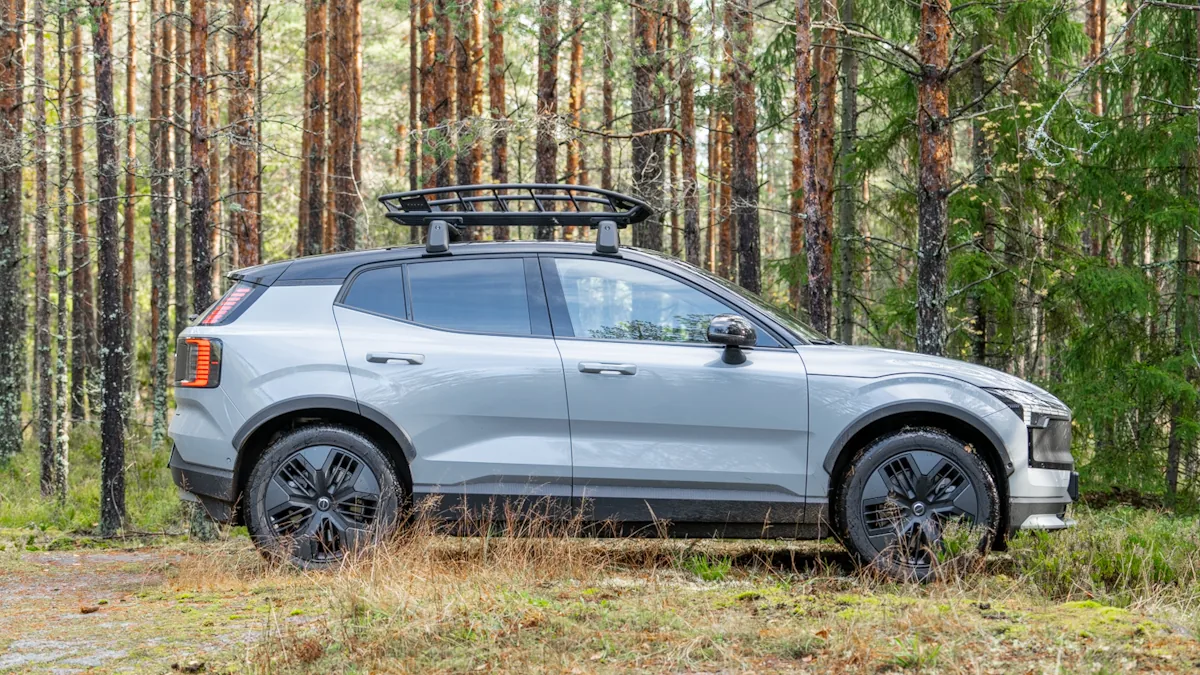
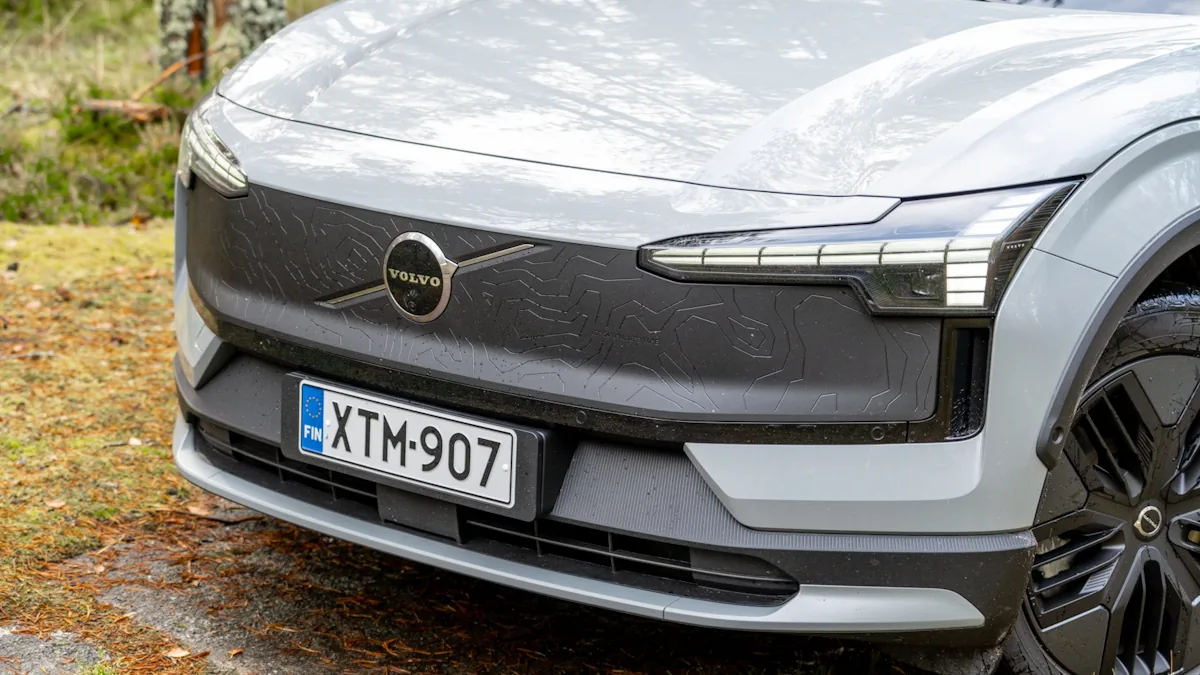
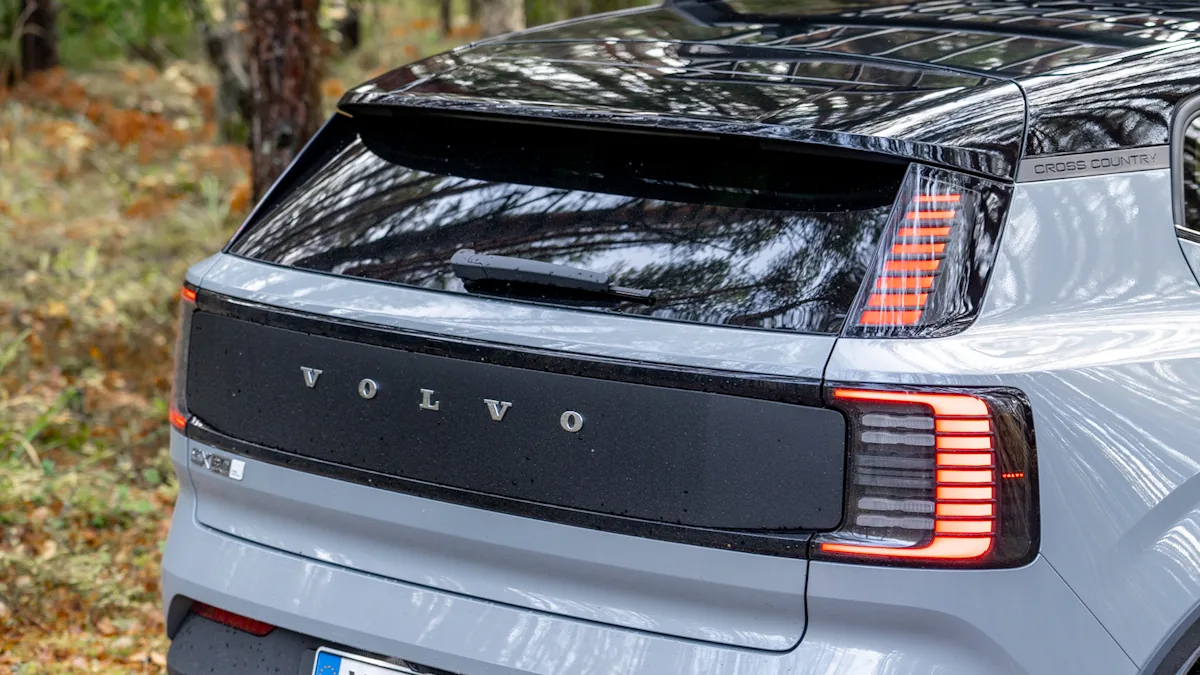
The Cross Country name has been with Volvo since the late 1990s. With the EX30, the idea translates into a small electric SUV: a vehicle that looks ready to slip from town straight to a weekend cottage, no matter the state of the access road. The EX30 Cross Country sits higher than the standard version, always offers four-wheel drive, and comes equipped with a larger 65 kWh (net) battery—all wrapped up in off-road-inspired styling.
Style first, but never empty
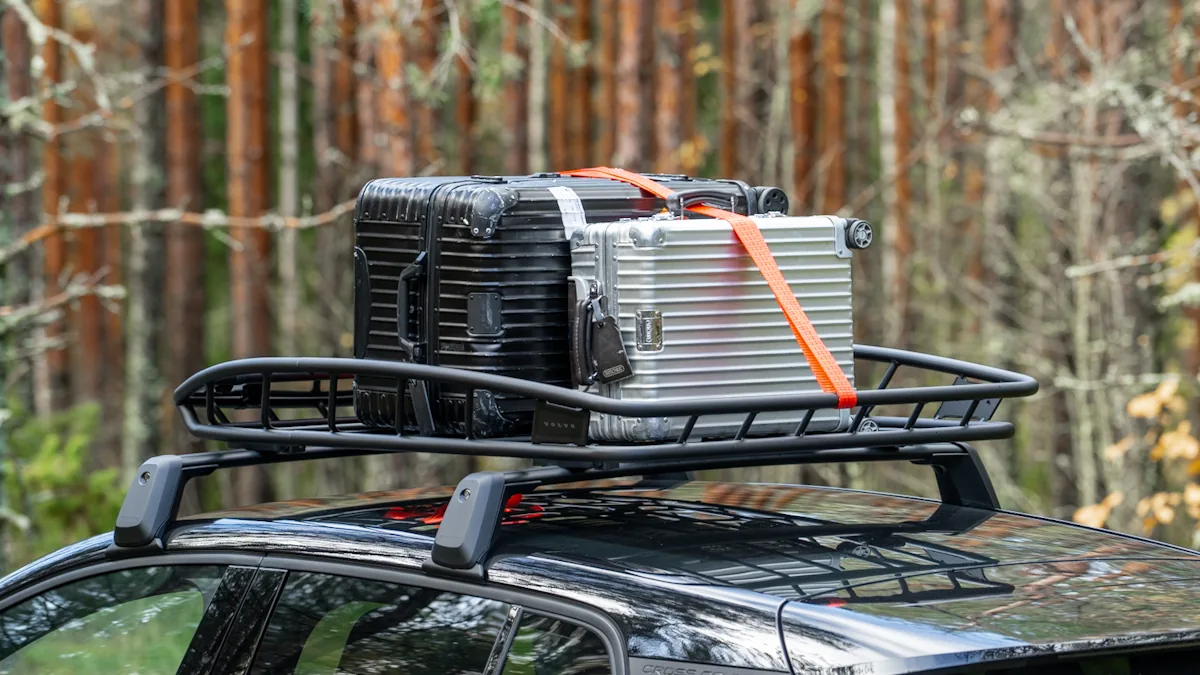
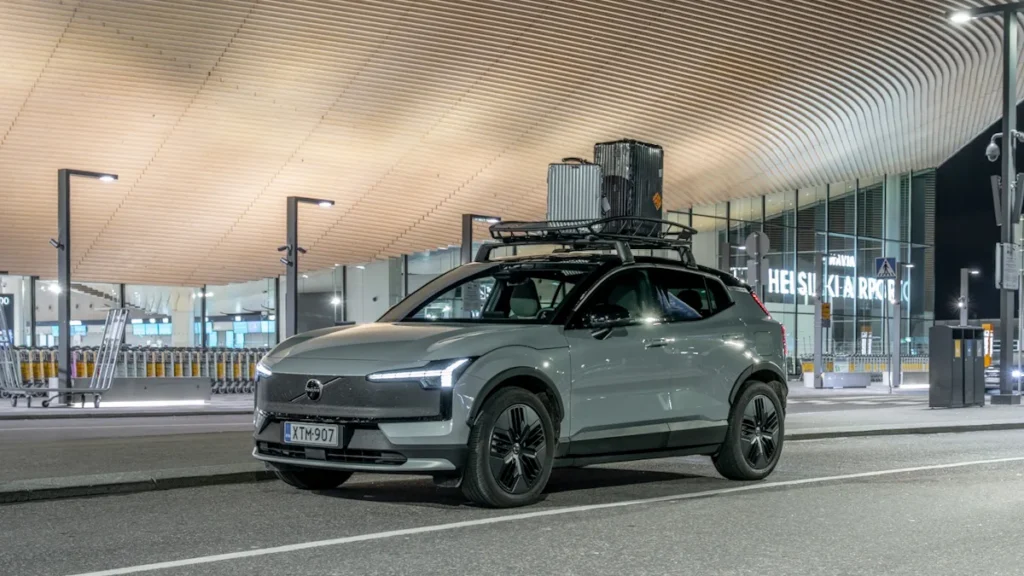
The EX30 Cross Country cuts an appealing figure. It’s a car with personality, effortlessly so. The roof-mounted load basket on our test car sits naturally with the overall design and delivers exactly the camping spirit you’d expect from a Cross Country nameplate. A load basket—expandable with extension pieces—is essential for the look, though its practical value is debatable. Aesthetics come with a price, and not just the sticker kind.
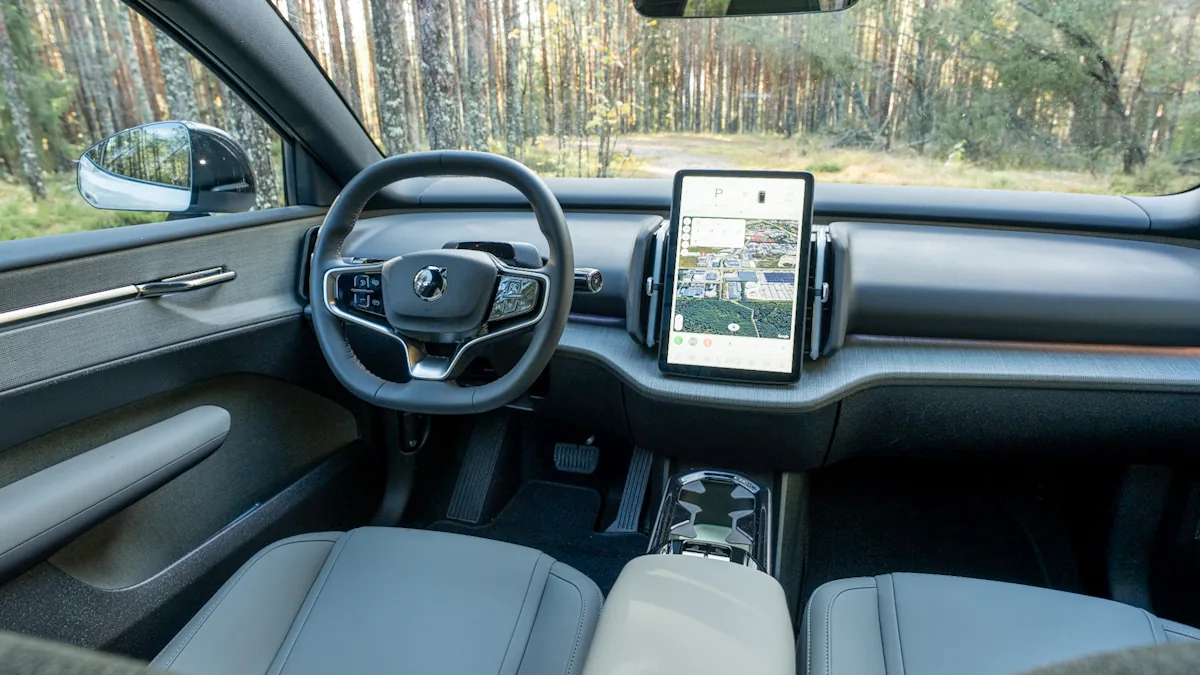
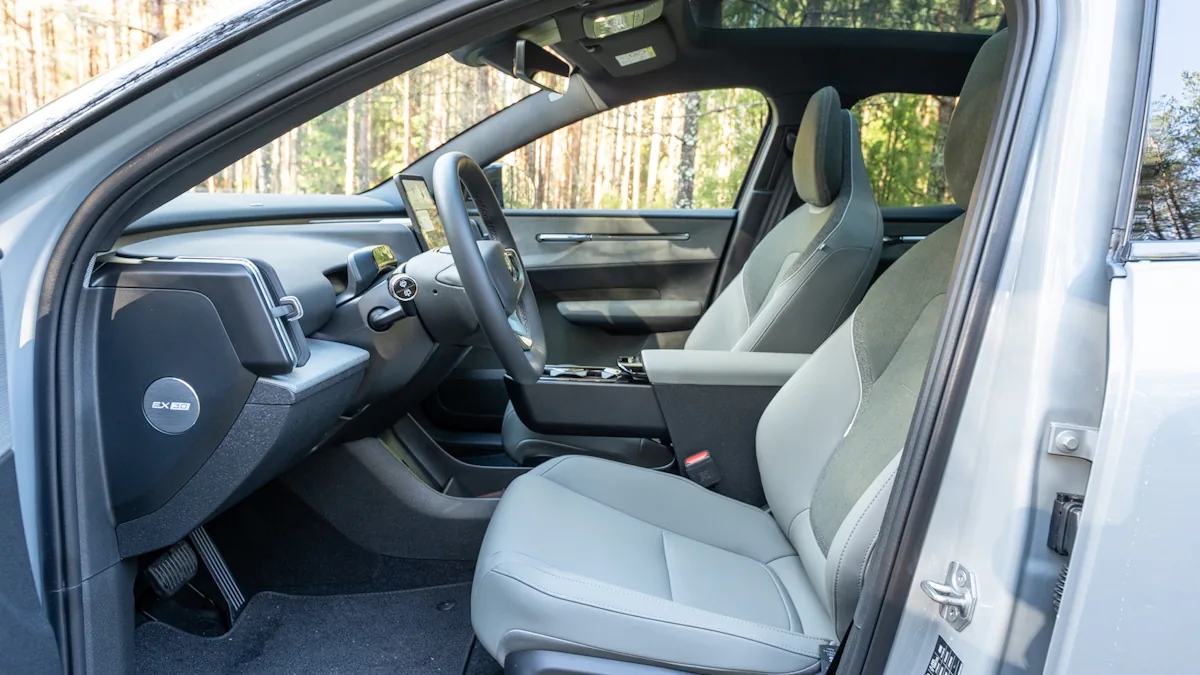
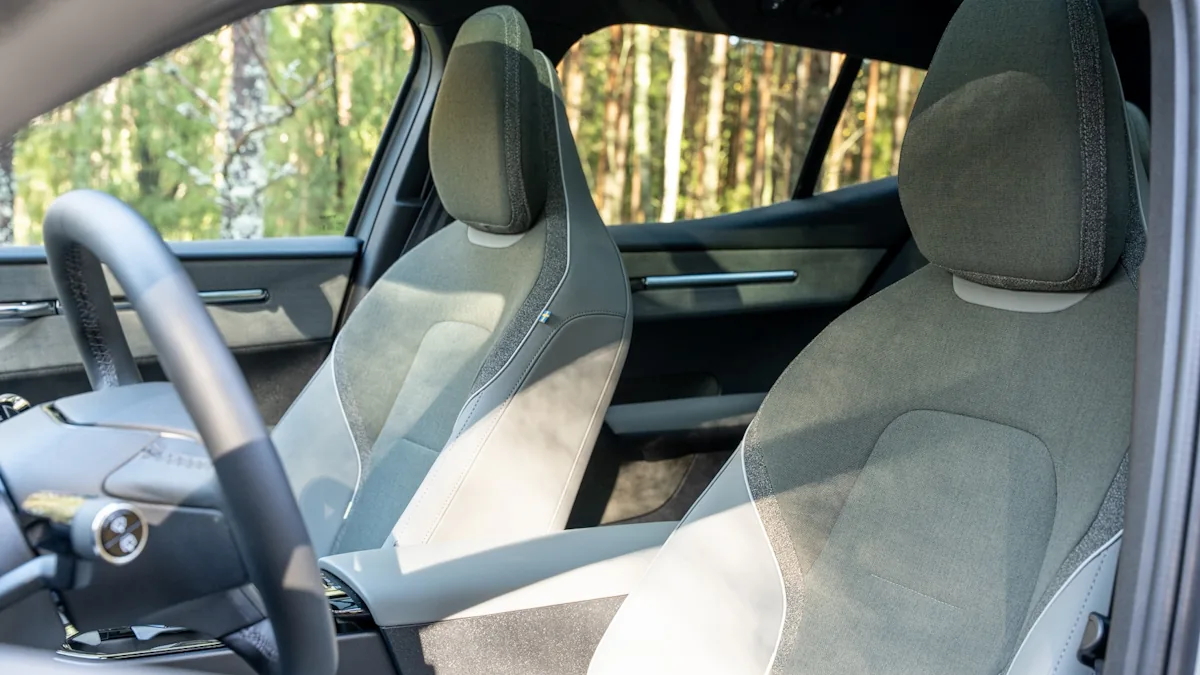
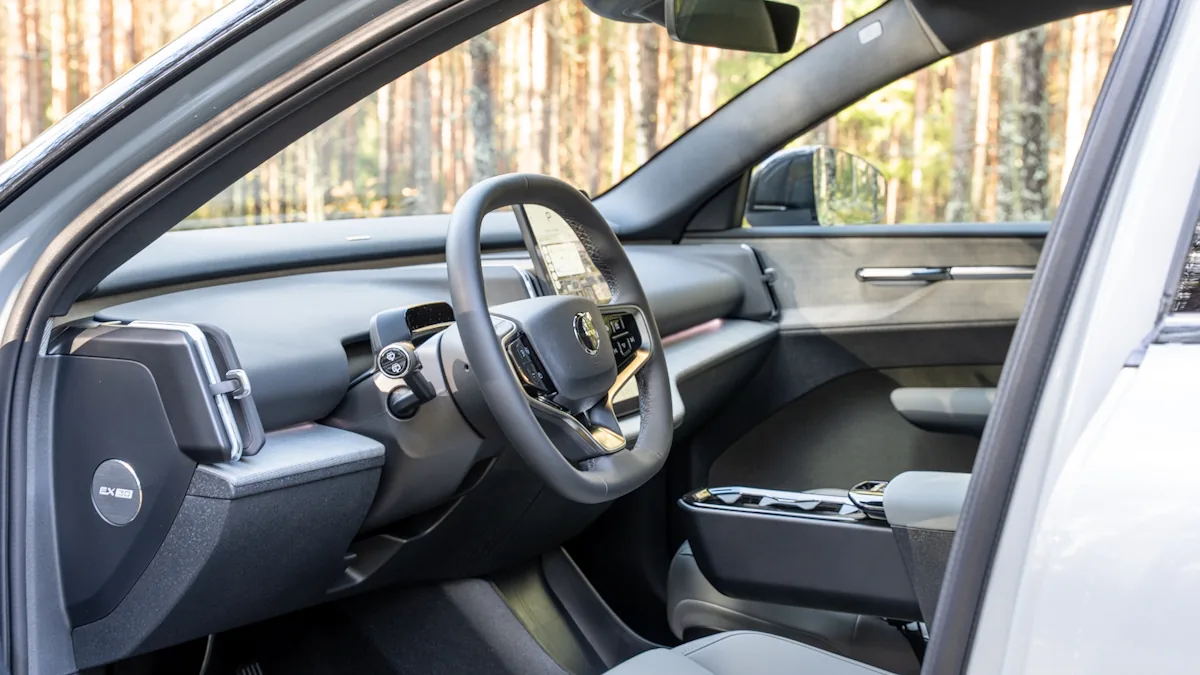
The stripped-back cabin’s beauty depends on the eye beholding it. Words like simple or elegant, boring or trendy suggest themselves readily. The materials, by and large, impress with quality.
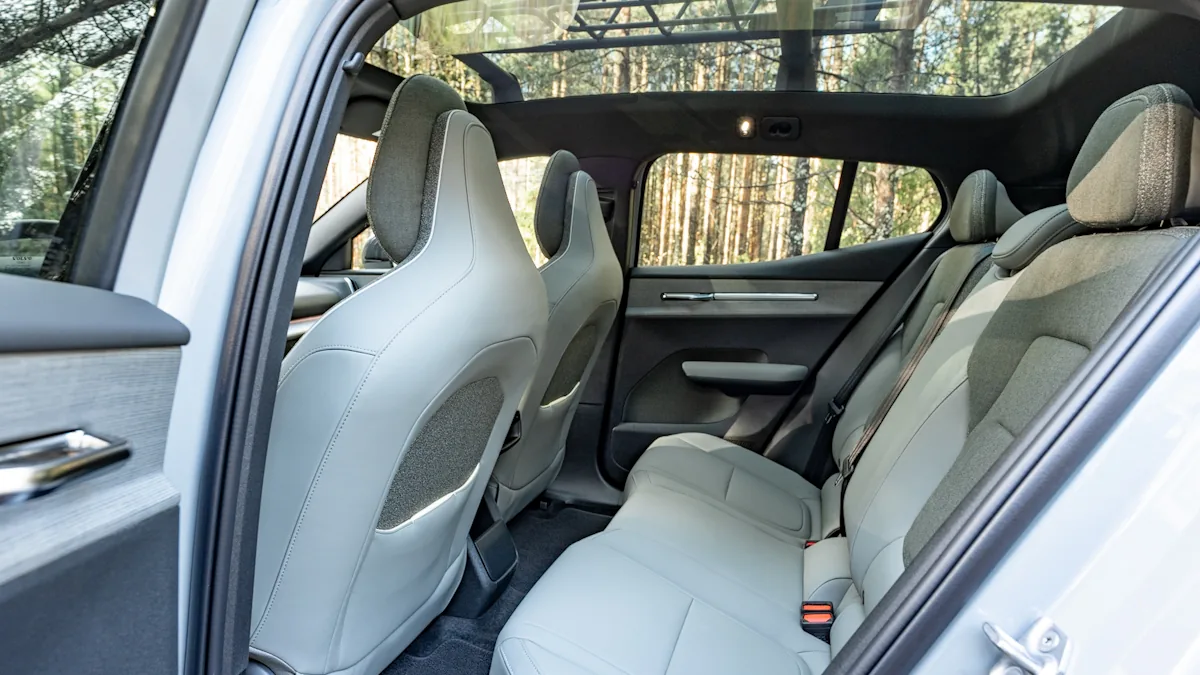
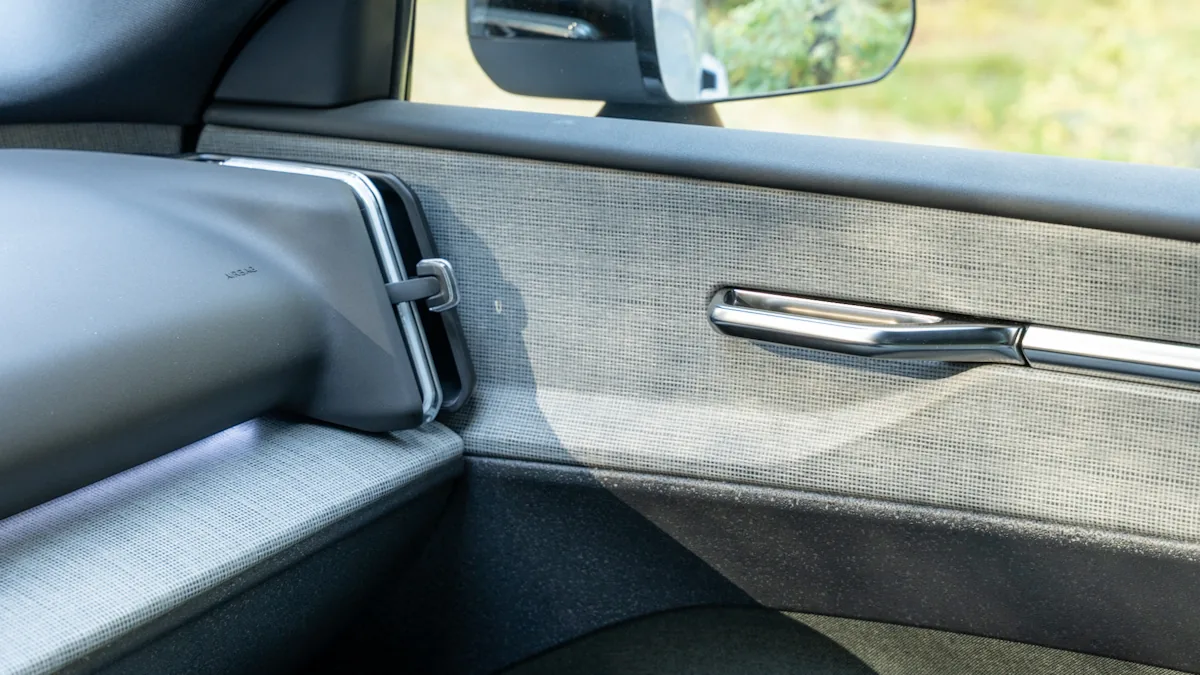
The cabin panels use composite linen. Nordico seat upholstery combines renewable and fully recycled materials—including reclaimed plastic bottles—sourced partly from northern forests. The expansive panoramic glass roof floods the compact cabin with light, extending all the way to the rear seats.
Not every detail convinces entirely. The steering wheel buttons look attractive at first glance but demand surprisingly precise finger placement to register. The indicators and gear lever don’t match the rest of the cabin’s usability and refinement. The traditional door handles, inside and out, strike a better balance between form and function.
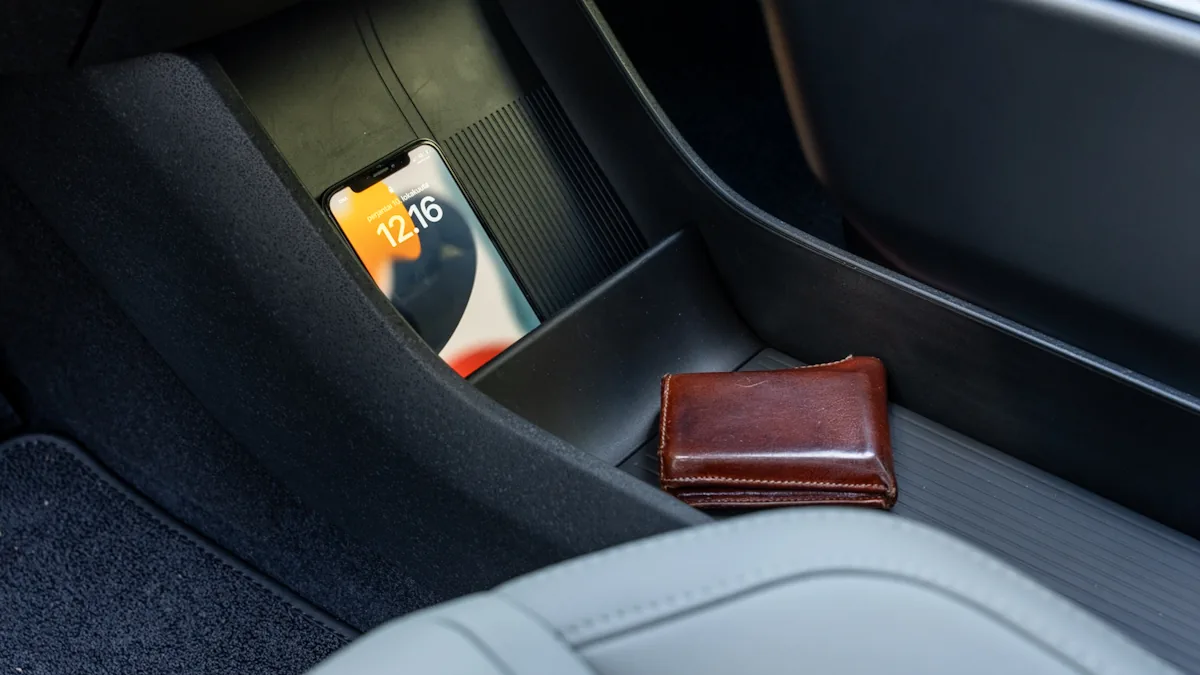
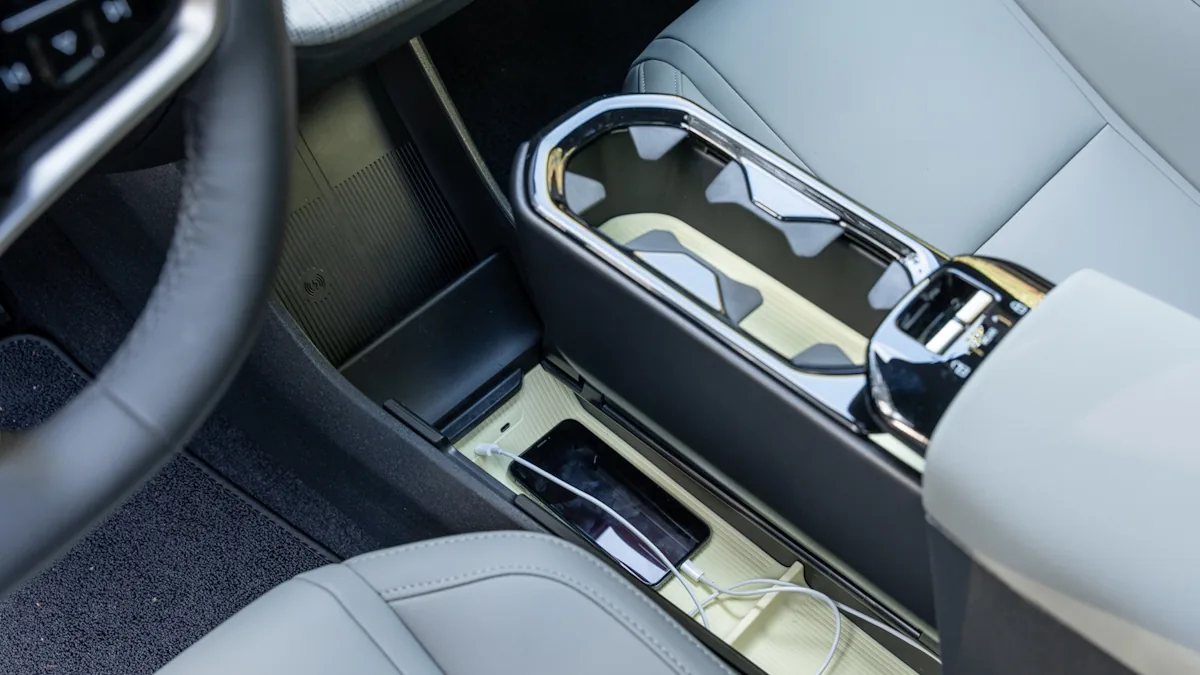
Space is no secret weapon. The front compartments are functionally generous, but the rear seats are tight—an adult can barely settle in for long journeys. This is a two-adult or second-family-car proposition, not a hauler.
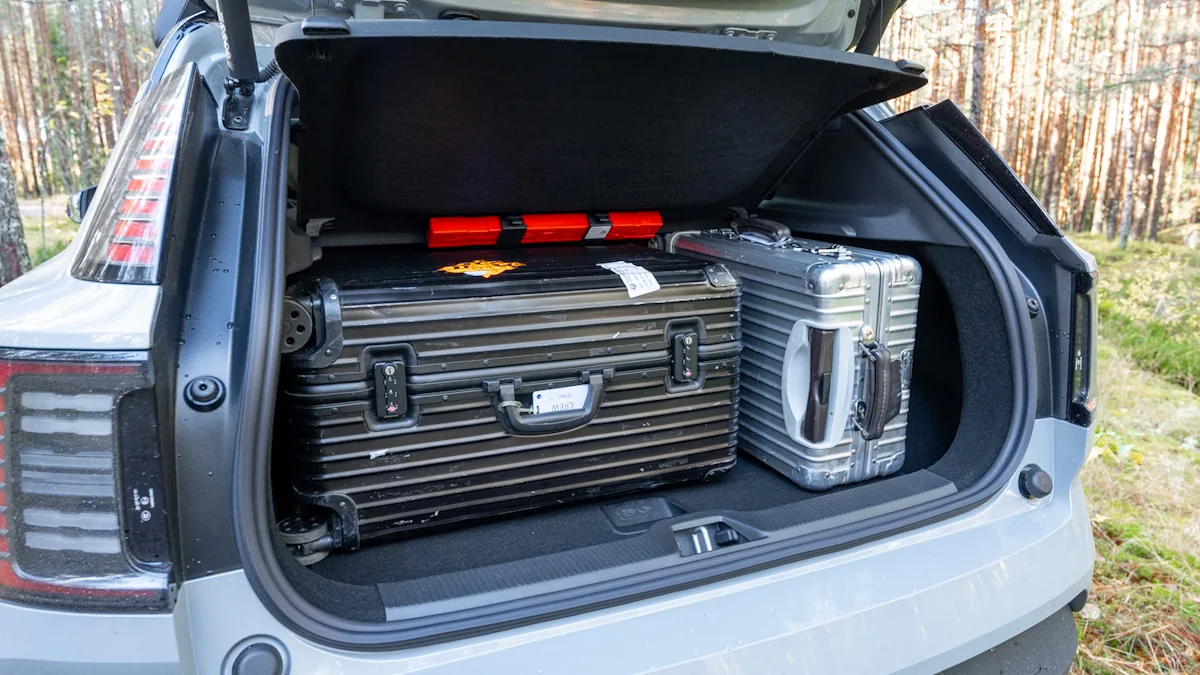
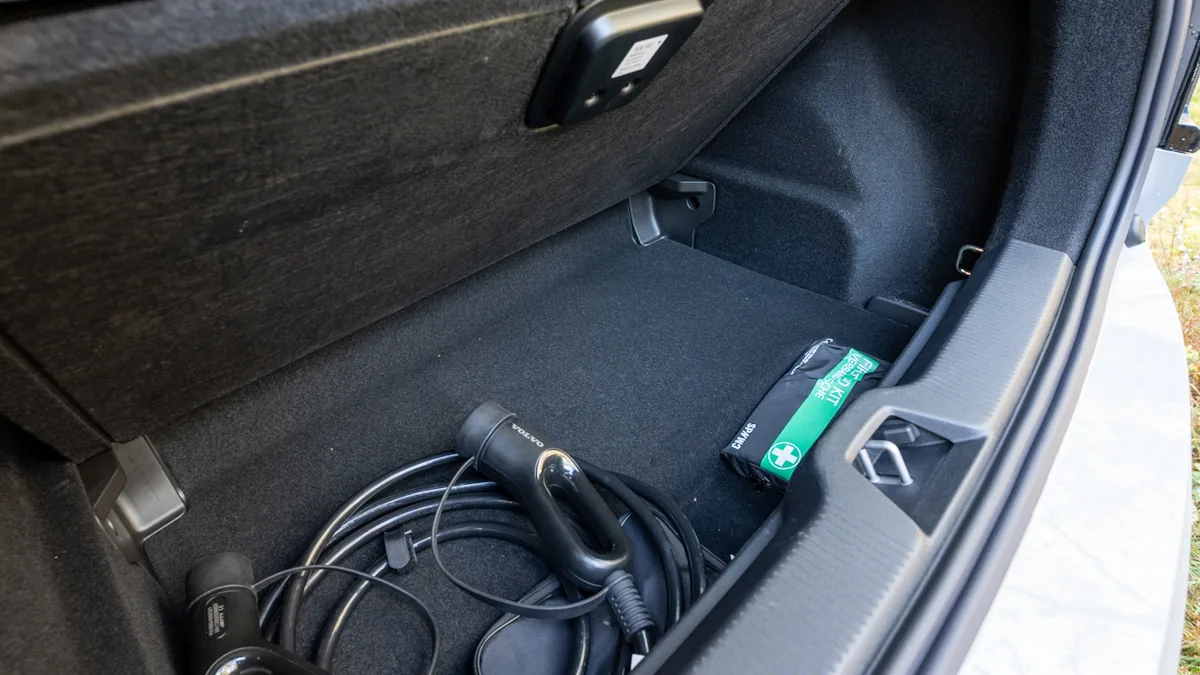
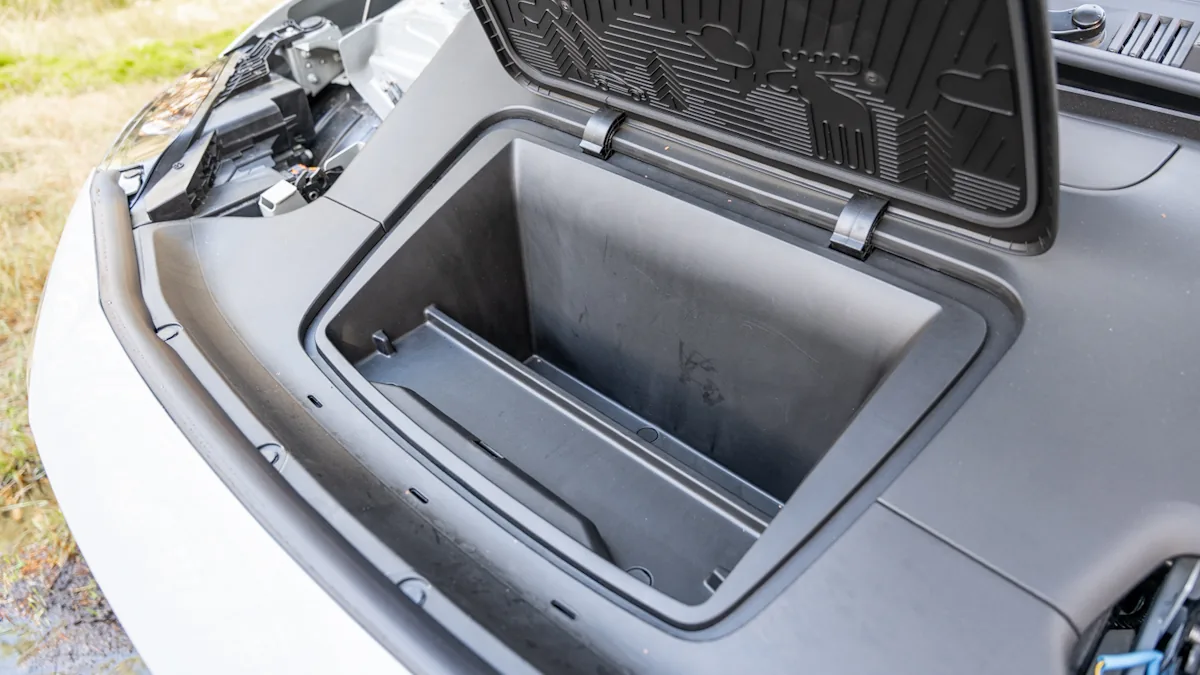
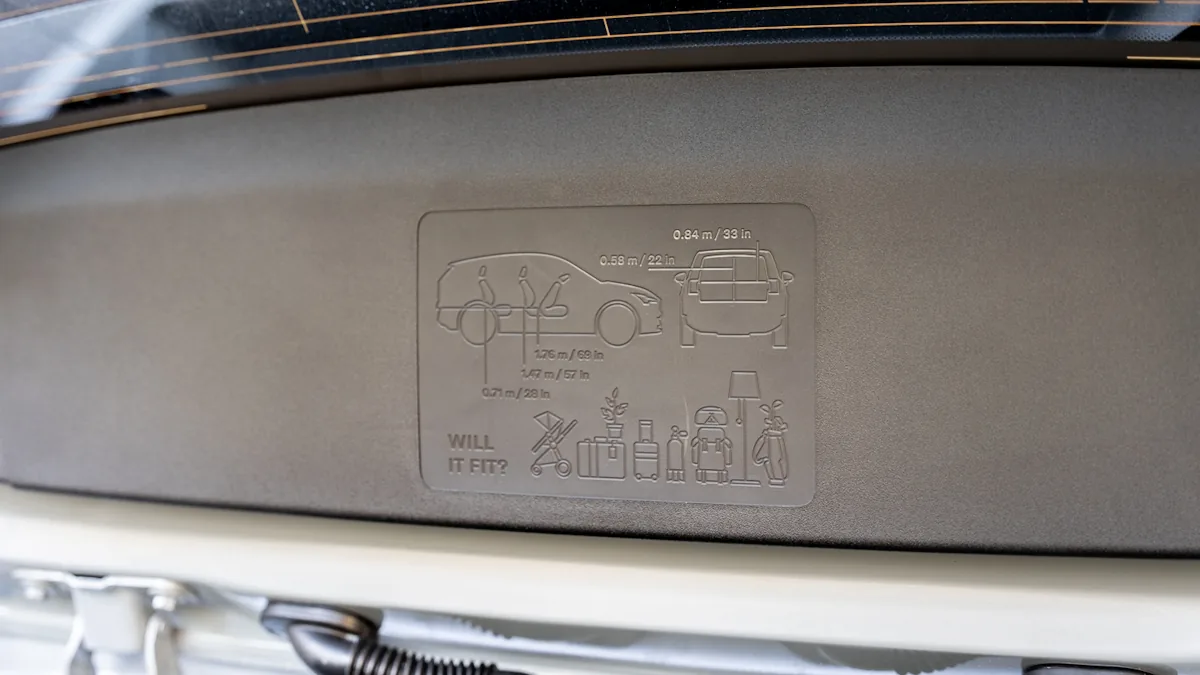
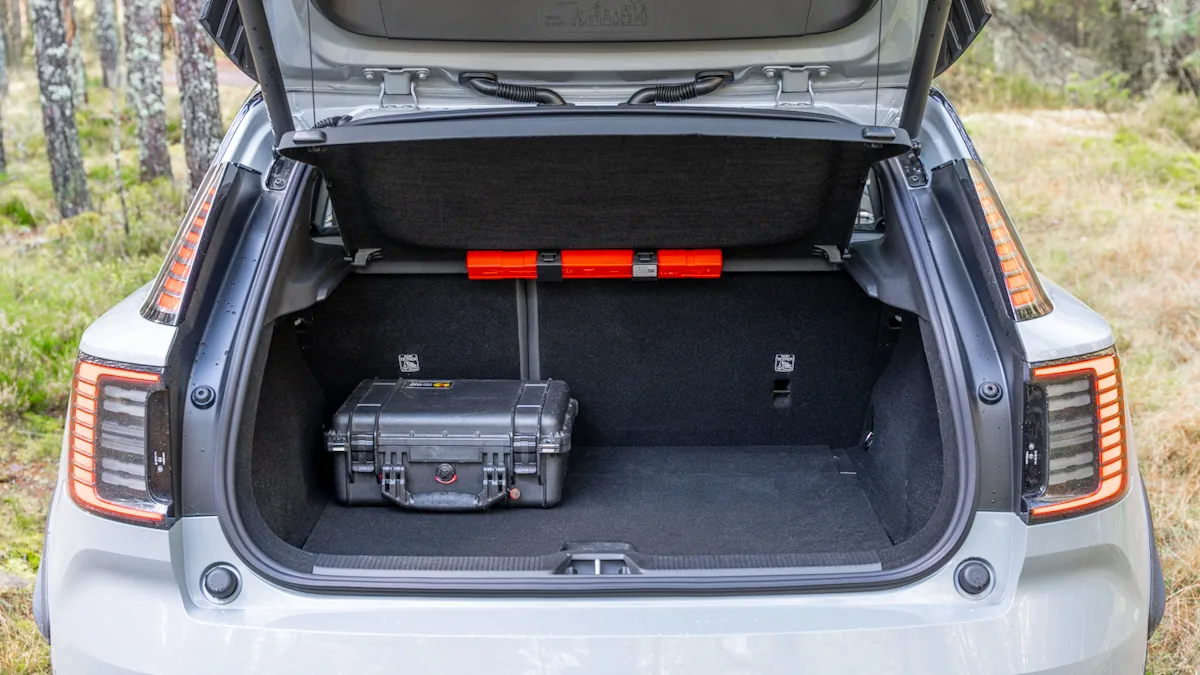
The boot surprises positively. On paper, 318 litres sounds modest, but it swallows a large holdall and cabin bag with room to spare. A small storage cavity beneath the bonnet houses charging cables.
Quality and responsiveness
Behind the wheel, the EX30 Cross Country exudes quality. The chassis strikes a pleasant balance—soft enough to smooth the road, firm enough to inspire confidence in corners. The rear end feels noticeably composed compared to the standard EX30. The Cross Country doesn’t wallow; it behaves decisively through faster direction changes. For a broad range of drivers, it’s an uncomplicated companion.
Power is abundant—sometimes excessive. The EX30 holds the record as Volvo’s fastest-accelerating production car, dispatching 0–100 km/h in under four seconds even in this “off-road” guise. The snappy throttle response, however, can feel too electric and takes adjustment. Switching driving modes offers little relief from that initial bite. The steering, too, is adjustable across three settings, but all three keep the feel unwelcomingly light. Set to maximum stiffness for the most natural weighting.
The automatic lane-keeping system works decisively, holding the car flawlessly between the lines. Single-pedal driving operates all the way to a complete stop. One ergonomic gripe surfaces during braking: the brake pedal stem catches repeatedly on the toe of your shoe, a nagging distraction that’s worse for larger shoe sizes.
Charging performance impressed in October’s favourable temperatures. The manufacturer’s claimed 27 minutes (10–80% SOC) was off by just two minutes; the charging curve sits comfortably within expectations for this battery size.
Noise and resistance
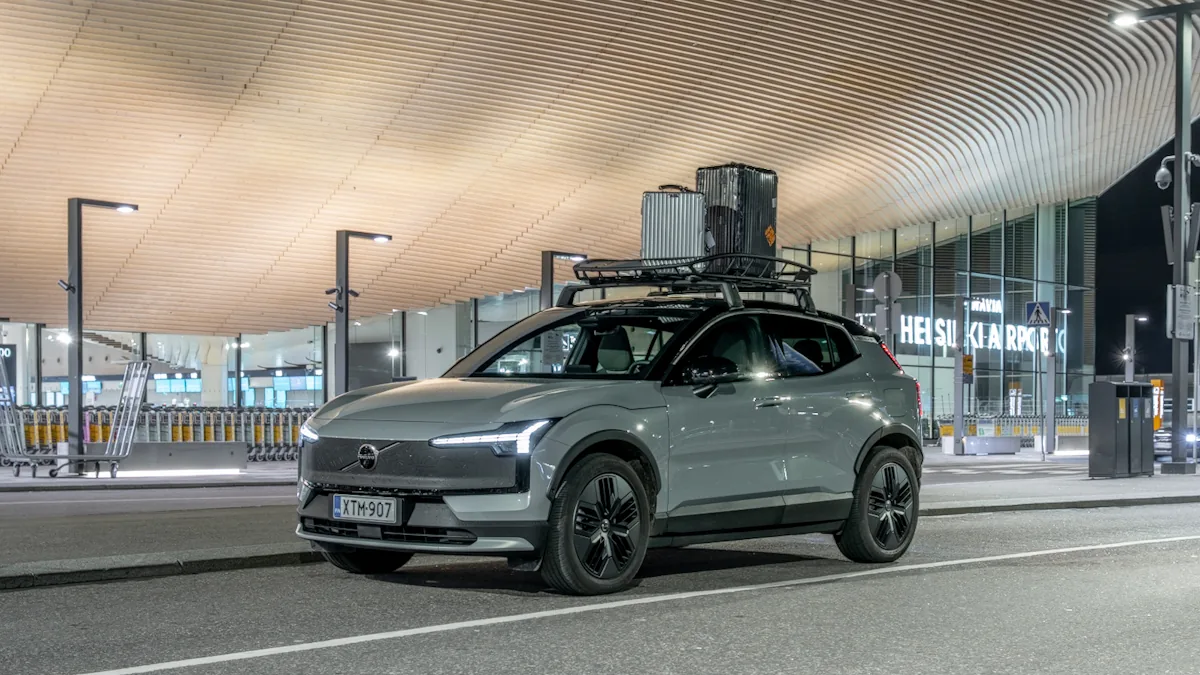
The roof basket adds visual and practical value—provided you load carefully on that glass roof and secure everything properly. In daily use, initial novelty wears off; it becomes visual theatre rather than workhorse.
At speed, airflow over the basket carries an unpleasant hum into the cabin, especially on motorways. At 100 km/h it remains tolerable; at 120 km/h it becomes distractingly loud. The standard Harman Kardon system will get its moment to shine.
Aerodynamics affect consumption directly. Without the basket—just the load bars—energy use at 100 km/h measured 19.9 kWh/100 km at 13°C. Adding the basket increased consumption by over 10% to 22.5 kWh/100 km. The basket attaches via four bolts and lifts off by one person.
During the test, mixed driving in 9–15°C temperatures delivered 18–23 kWh/100 km. Against the standard EX30, the Cross Country’s extra height and trim-level equipment push consumption slightly upward. In autumn conditions with a 65 kWh (net) battery, calculated range sits around 280–360 km. Roof-mounted cargo increases the drag coefficient and shortens this further.
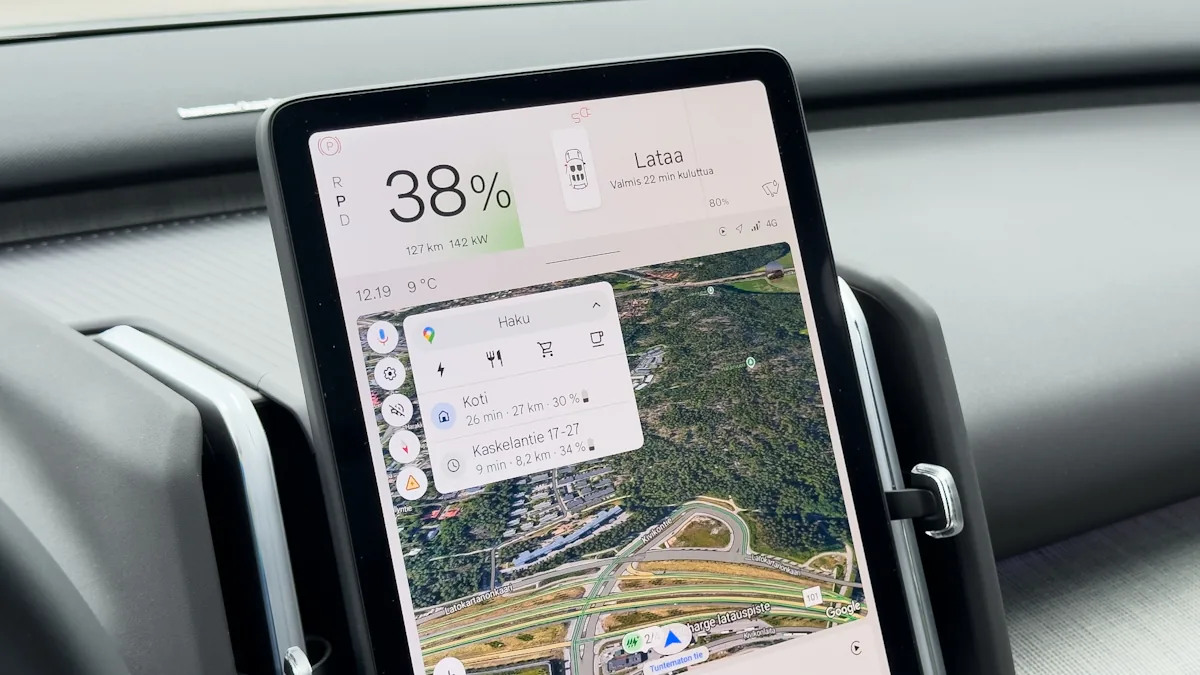
The EX30’s Google-based interface sparked considerable debate since launch. Refinements over time have lifted usability to commendable and reliable standards. The portrait-oriented centre display responds sharply to touch and delivers abundant information without sitting so low that it vanishes from the driver’s view. The speedometer in the top left corner becomes second nature quickly.
Given the car’s spatial constraints and shortcomings, the EX30 Cross Country has largely achieved its aims. It carves out a distinctive alternative to the standard EX30, offering personality to those seeking something less conventional. Beyond that character, quality construction and a pliable, communicative chassis make it genuinely rewarding to drive. However, a basket-adorned Cross Country consumes generously, and the finite battery capacity means remote areas far from chargers remain out of reach.
The car tested in October 2025 was a 2025 model year version. Volvo has since updated the range with new equipment and badging; our test car would now carry the designation Volvo EX30 Cross Country P8 AWD Ultra. Previously, Ultra was the only trim available for the Cross Country; now a more basic Plus trim offers near-€3,000 savings by dropping the 22 kW on-board charger, panoramic glass roof, electrically adjustable front seats and parking convenience features.
Specifications
| Engine | Electric |
| Power | 315 kW (428 hp) |
| Torque | 543 Nm |
| Acceleration | 3.7 s (0–100 km/h) |
| Battery (net) | 65 kWh |
| Battery (gross) | 69 kWh |
| Range (WLTP) | 435 km |
| Energy consumption (claimed) | 18.5 kWh/100 km |
| Energy consumption (test, mixed) | 18–23 kWh/100 km (9–15°C) |
| Range (test, mixed) | 282–361 km |
| Energy consumption (test, 100 km/h) | 19.9 kWh/100 km (13°C) |
| DC charging (max) | 150 kW |
| AC charging (max) | 22 kW |
| Charging time (10–80% SOC) | 27 minutes |
| Electrical architecture | 400 V |
| Drivetrain | All-wheel drive |
| Weight (unladen) | 1,983 kg |
| Maximum total mass | 2,335 kg |
| Boot space | 318 litres |
| Towing capacity (unbraked) | 750 kg |
| Towing capacity (braked) | 1,600 kg |
| Starting price | €50,950 |
| Price as tested | €52,650 |
| Warranty (car) | 3 years / 100,000 km |
| Warranty (battery) | 8 years / 160,000 km |
Photo: Antti Järveläinen.
What is the range of the Volvo EX30 Cross Country?
How fast does the Volvo EX30 Cross Country charge?
How much does the Volvo EX30 Cross Country cost?
Is the EX30 Cross Country suitable for families?
How does a roof basket affect energy consumption?