- Engine
- Electric
- Power
- 250 kW (340 hp)
- Range
- 420 km (WLTP)
- Consumption
- 21.3 kWh/100 km
- Drivetrain
- All-wheel drive
- 0–100 km/h
- 6.4 s
- Top Speed
- 160 km/h
- Battery
- 86 kWh
- Seats
- 5–6
- Price
- from €77,400
Text and photos: Clas von Bell
We spent time with the seven-seat Volkswagen ID. Buzz GTX—a genuinely excellent choice for families seeking a spacious electric MPV.
Despite the name, it’s part bus, part MPV—and for a large family, that’s precisely the point.
The ID. Buzz GTX comes in standard and long-wheelbase versions. The standard wheelbase uses a 79 kWh battery, whilst the long-wheelbase variant steps up to 86 kWh.
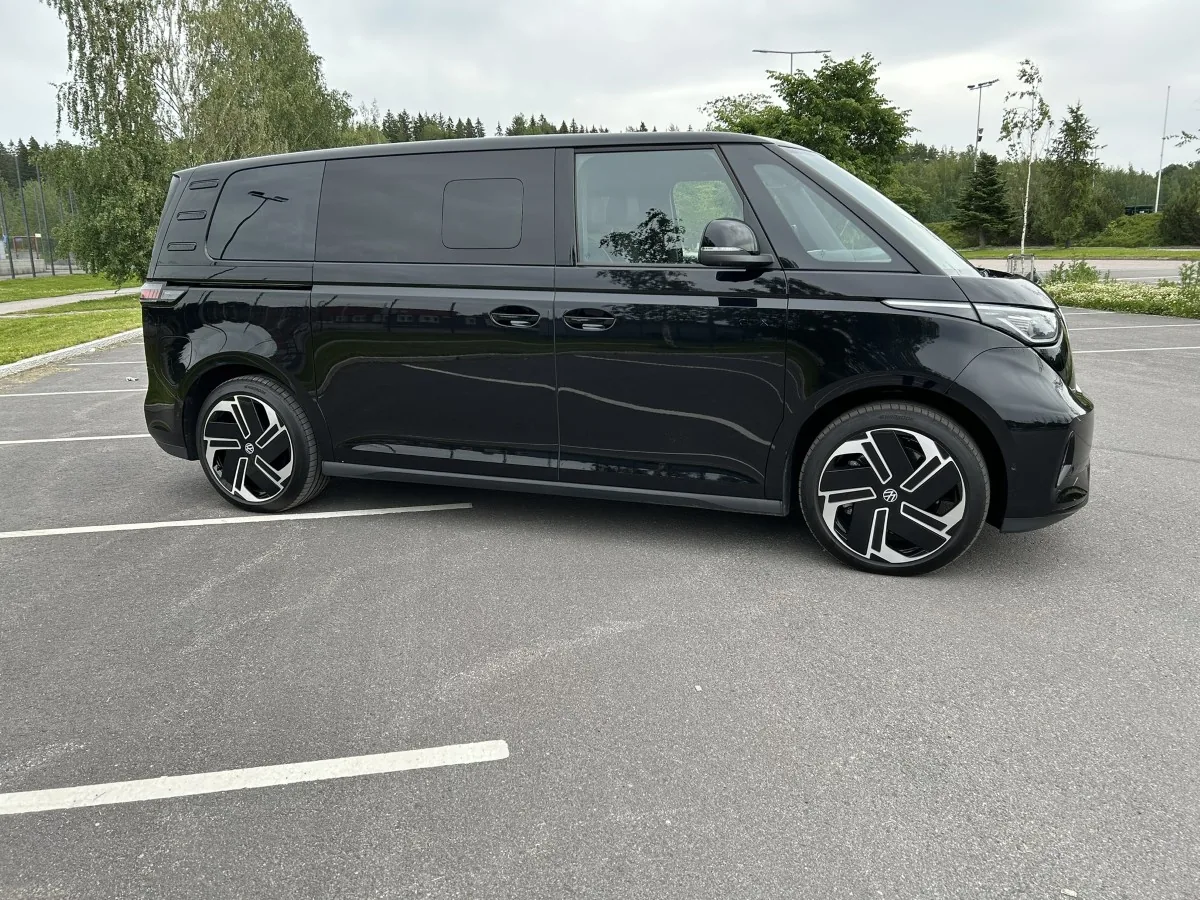
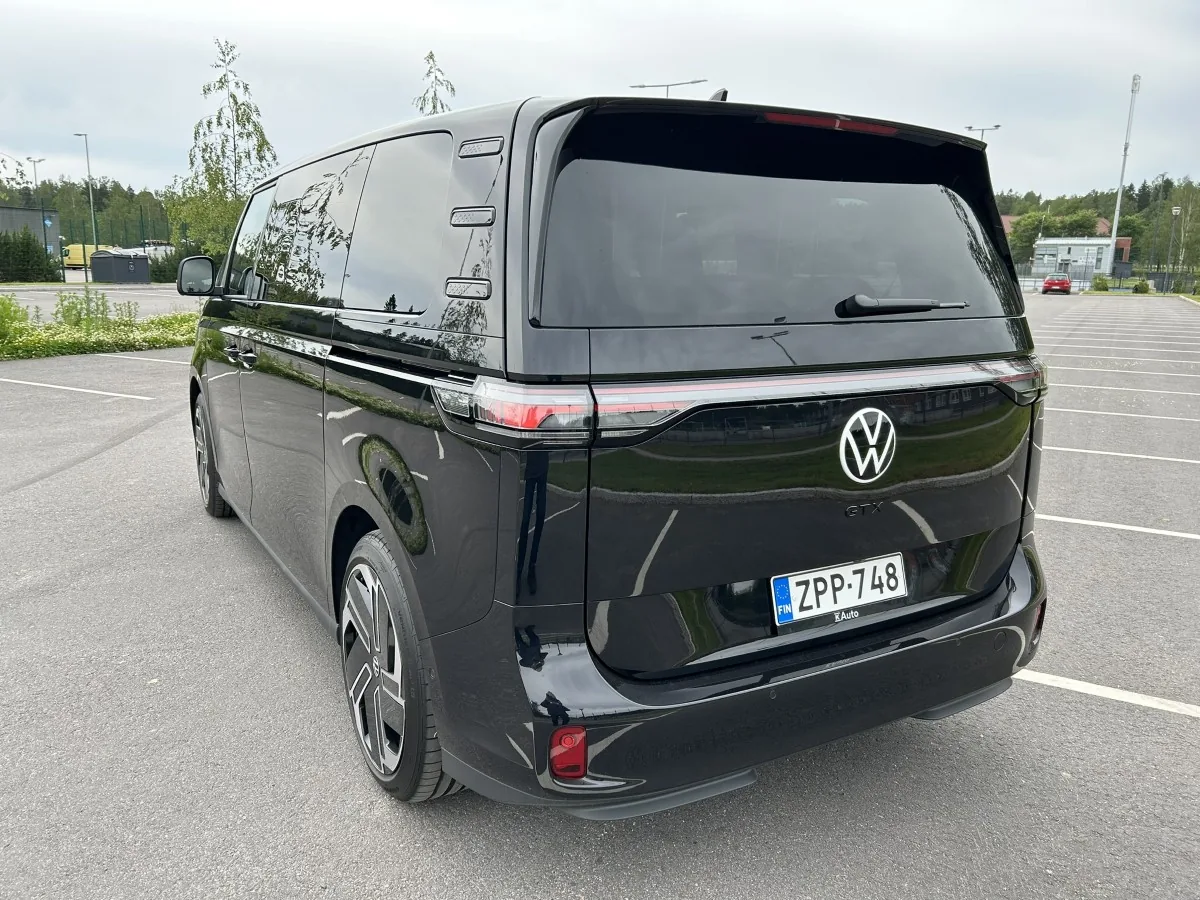
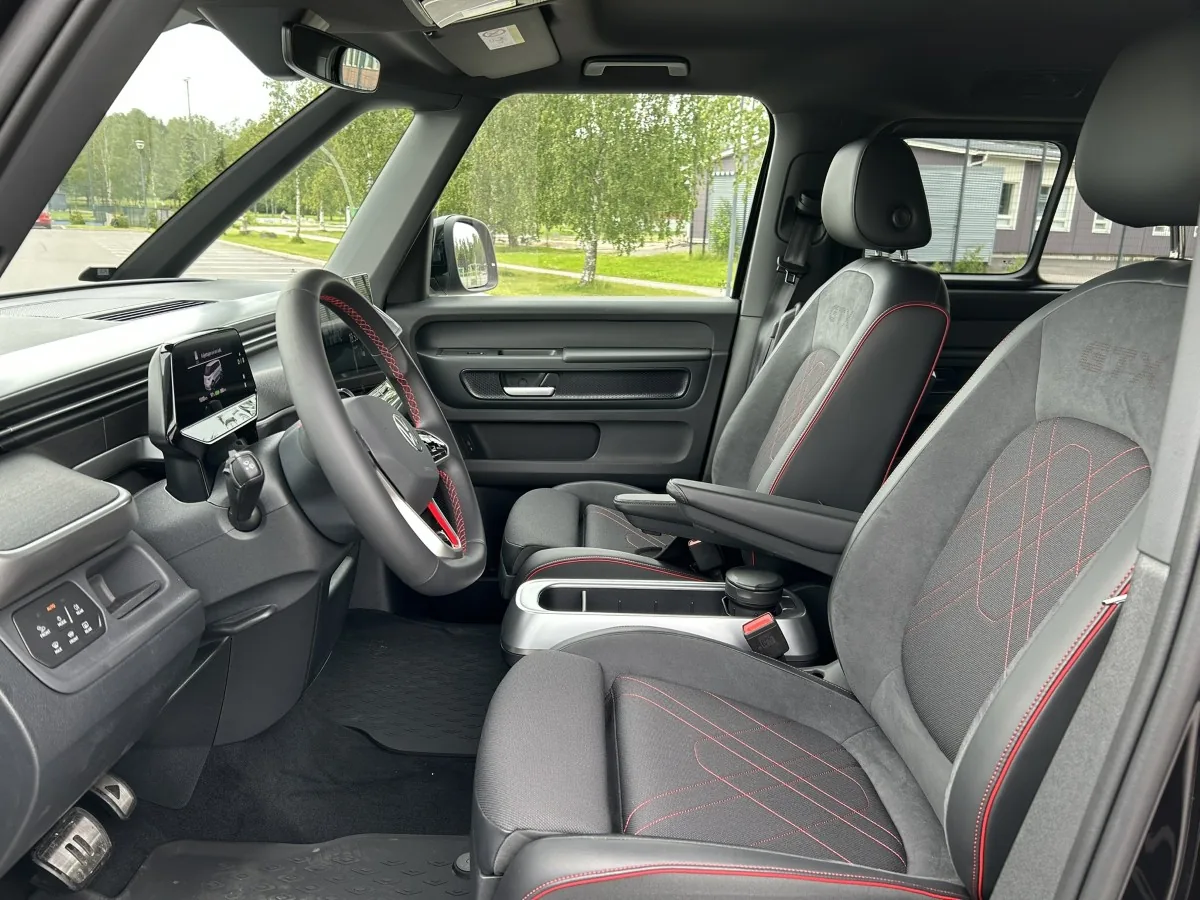
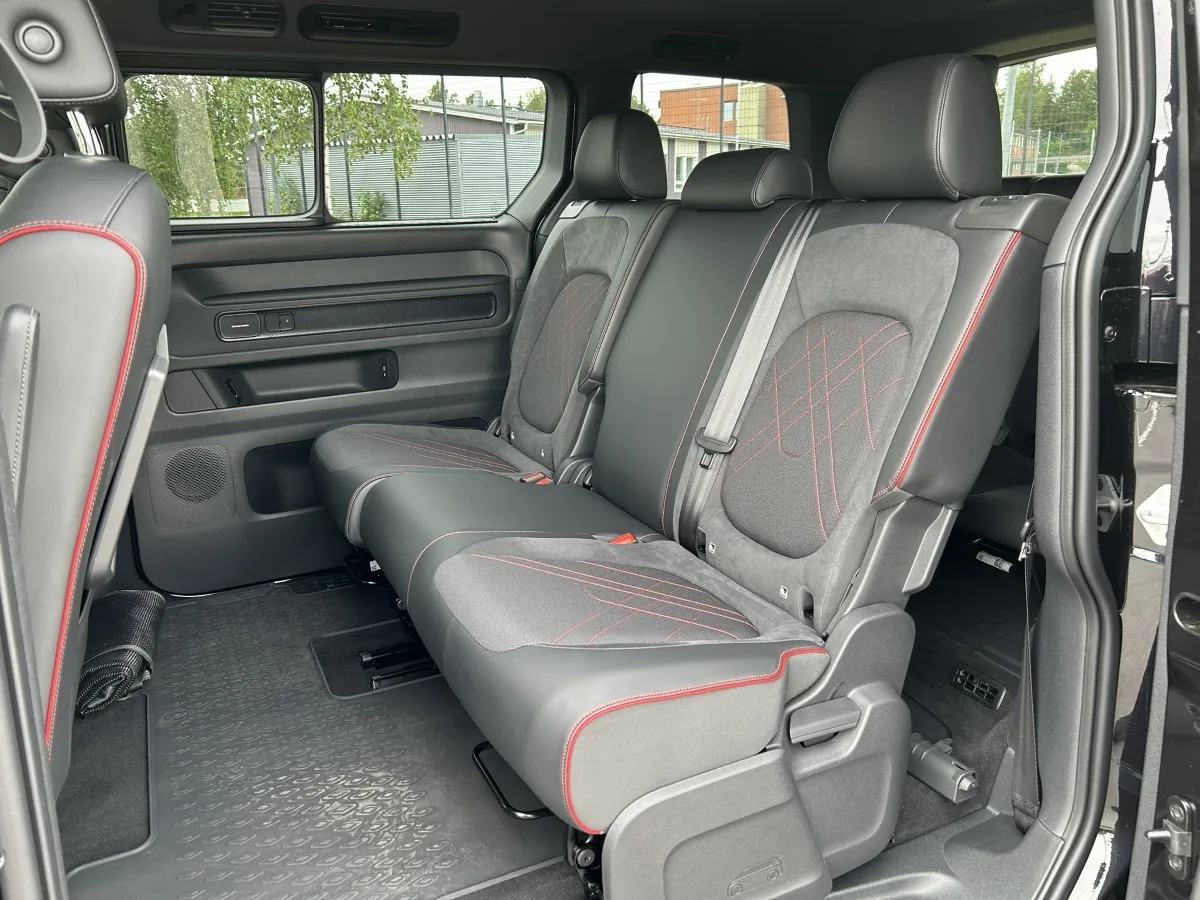
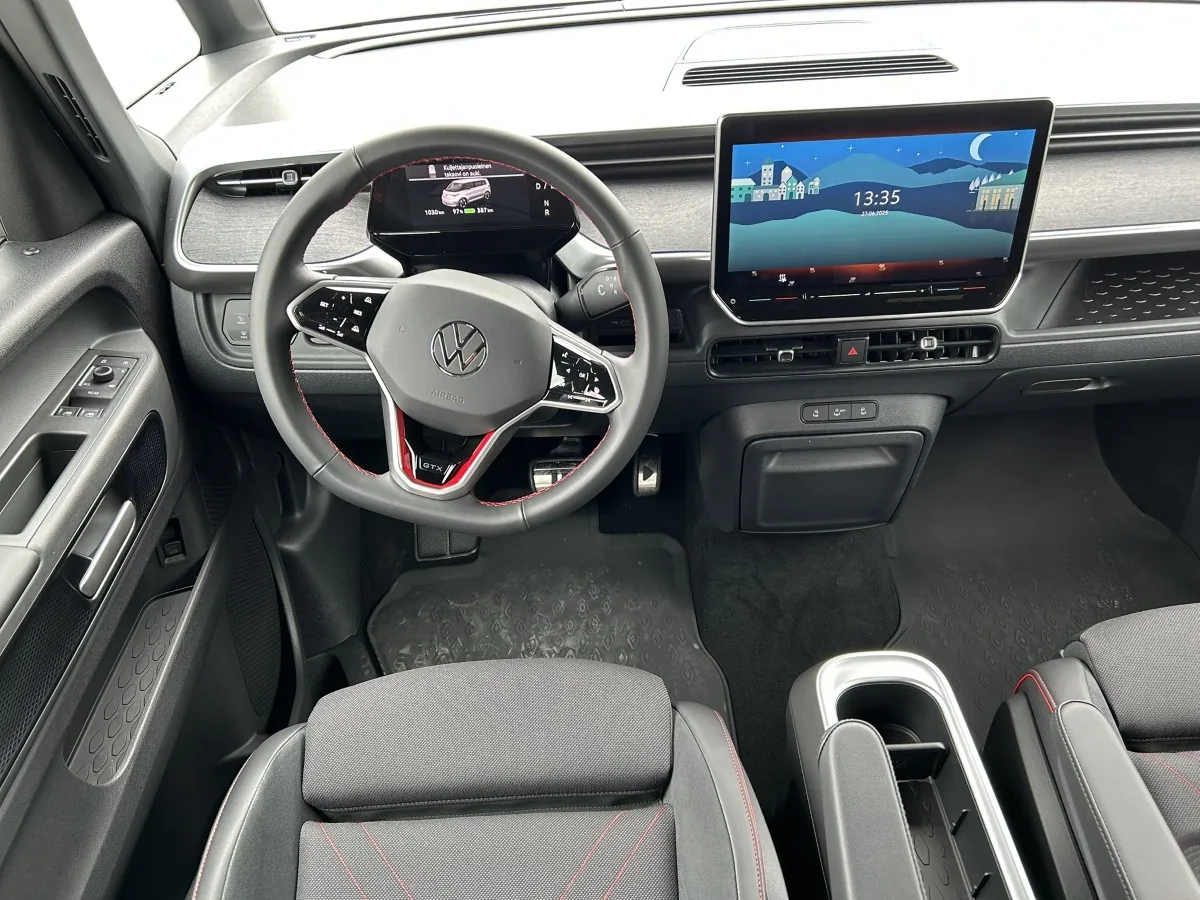
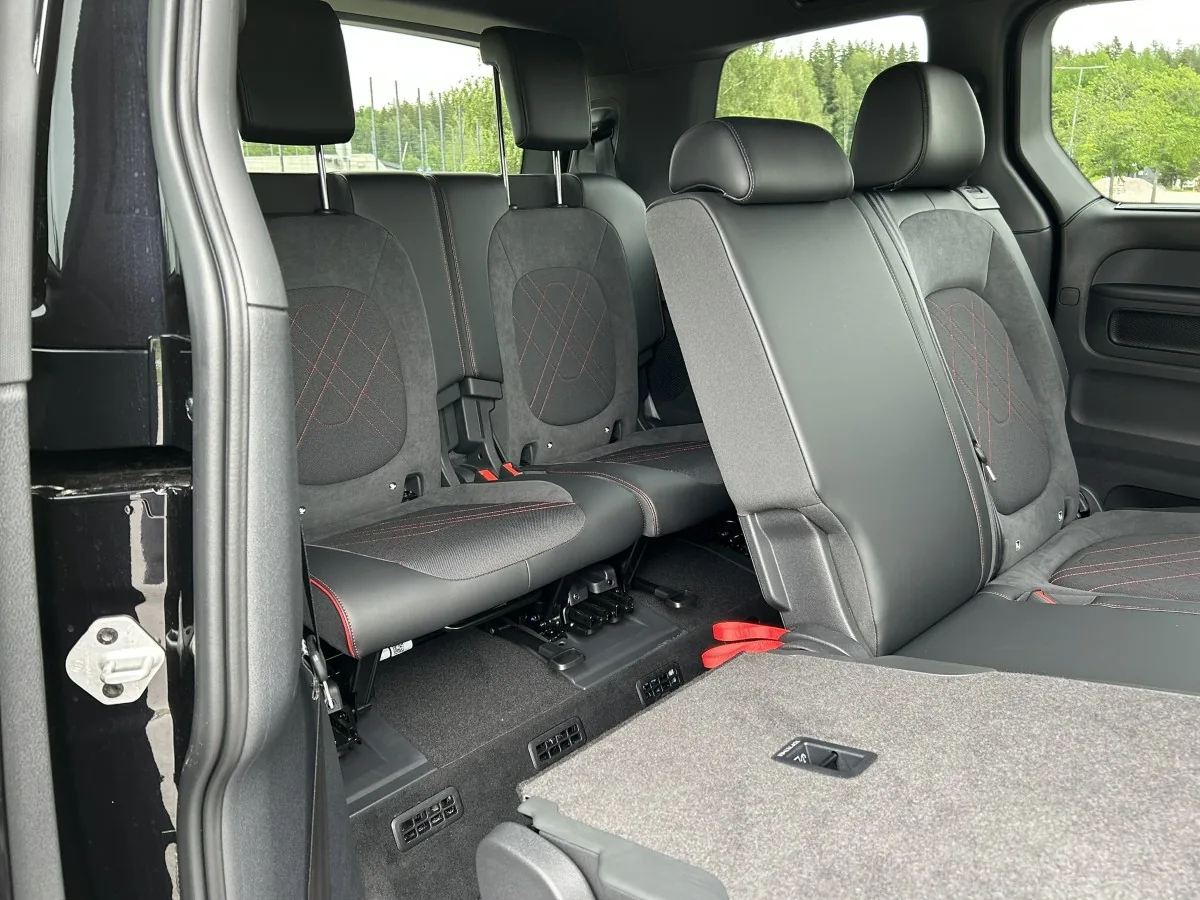
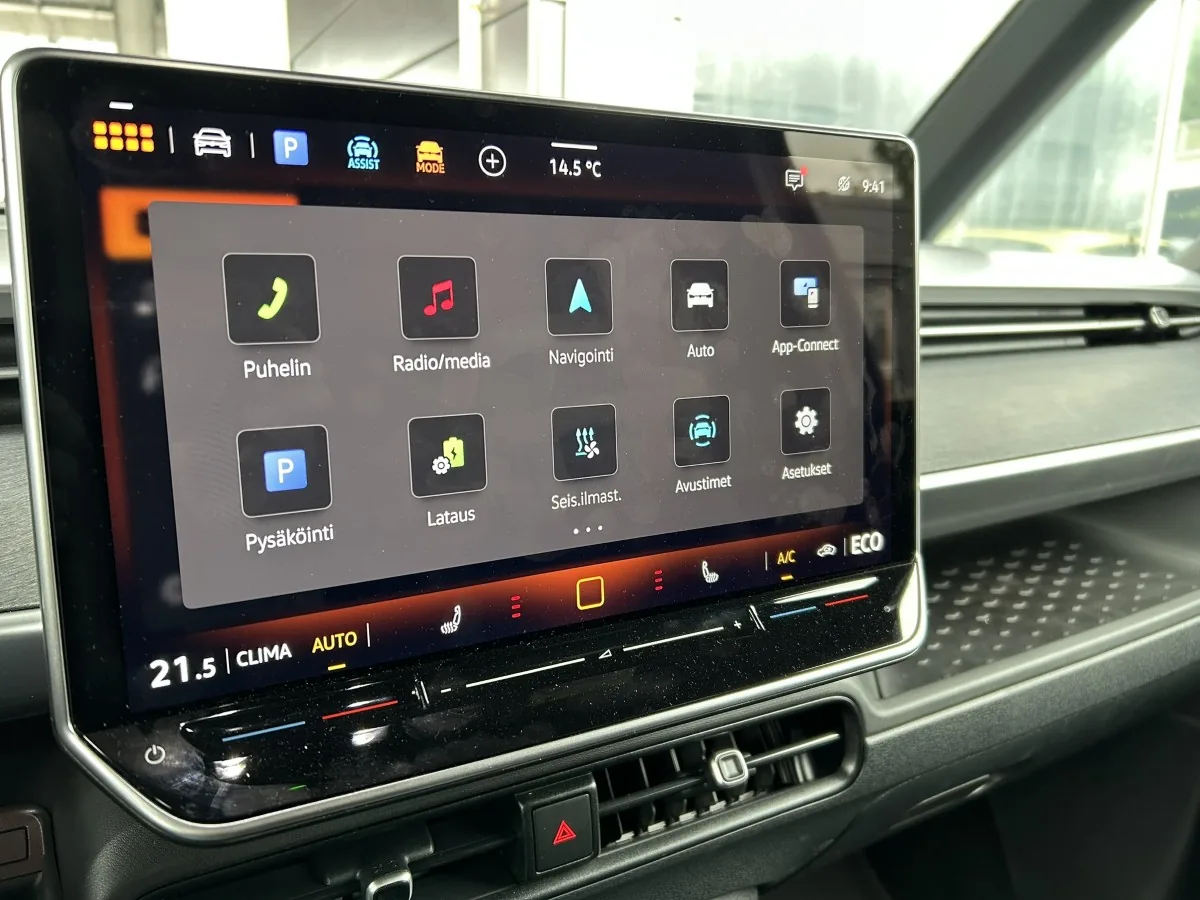
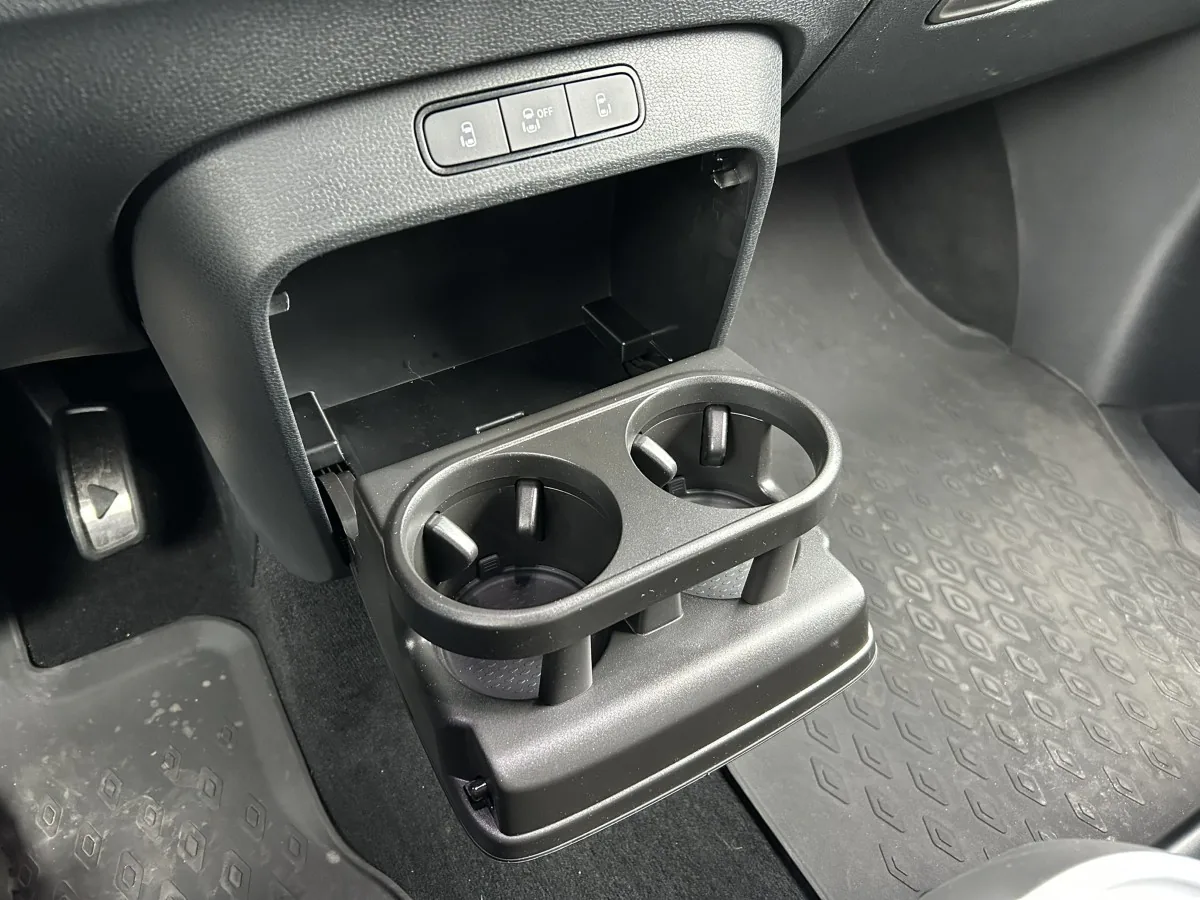
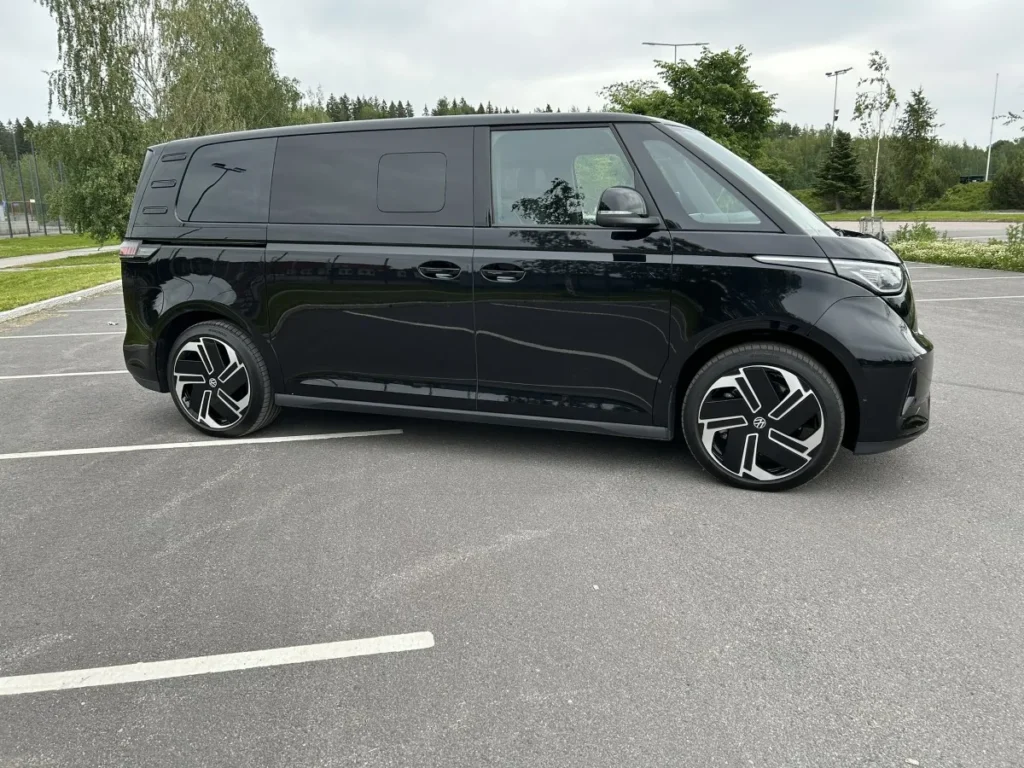
Our test example was the longer seven-seat variant. The ID. Buzz drew considerable attention at launch thanks to its cheerful, retro-modern design. Two-tone paintwork particularly suits the car. Our all-black test car was more understated, though no less striking. Nevertheless, the ID. Buzz delivers nearly everything you’d expect from a premium family MPV. The interior strikes a good balance between ergonomics and practicality. All controls are within easy reach, with dedicated switches for primary functions. Seating is supportive throughout. The third row, despite limited legroom, remains genuinely usable for adult occupants. Between the front seats is a compartment for small items.
With all seven seats occupied, boot space becomes tight. Fortunately, the second and third rows slide forward on rails to create additional cargo room. The rear seats are removable for further flexibility. Storage organisation is thoughtful. A 20 cm-high shelf behind the rearmost seats provides space for charging cables and accessories. Folding the seat backs flat creates a genuinely level cargo floor.
For five people, the maximum boot capacity is 1 340 litres (loaded to the top of the rear seat backrest). For seven passengers, the capacity is 306 litres. With all five seats in the second and third rows folded down, the boot capacity increases to 1 878 litres.
Both sides of the car have sliding doors that operate smoothly with electricity. The sliding doors, as well as the tailgate, can also be opened and closed from the driver’s seat. The open tailgate acts as a good rain cover.
The driving experience is refined
The cabin feels genuinely upmarket. Intelligent driver assistance handles much of the workload—intelligent cruise control even manages braking at signalled turns from the sat-nav. The lane-keep assist is genuinely effective, making long-distance driving noticeably less fatiguing. The vehicle also reads traffic signs and adjusts speed automatically—dropping from 80 to 60 km/h in a restriction, then accelerating back to the original setting once the limit changes.
During our test, the autonomous systems only misbehaved occasionally—and even then, mostly to remind the driver they were still needed.
One caveat: the system relies on the speedometer, which means you’ll always run slightly below the posted limit. However, you can easily adjust the set speed upwards using the cruise control switch. A capable head-up display further enhances driver comfort.
Visibility in all directions is excellent, aided by a high driving position and effective reversing camera.
Performance is impressive. Pressing the accelerator hard delivers genuinely noticeable acceleration, enhanced by four-wheel drive. The 340 hp output is substantial for an MPV.
Charging efficiency
Charging speed impresses when high-power infrastructure is available. The 86 kWh version supports up to 200 kW DC delivery, achieving a 10-80% charge in under 30 minutes.
For home and standard AC charging, 11 kW power is available.
The official WLTP range is just over 400 km, though real-world figures fell short.
Electricity consumption was just over 23 kWh/100 km in intermittent driving. However, a single full charge will get you well over 300 km.
Longer journeys remain practical, provided fast-charging infrastructure covers your route.
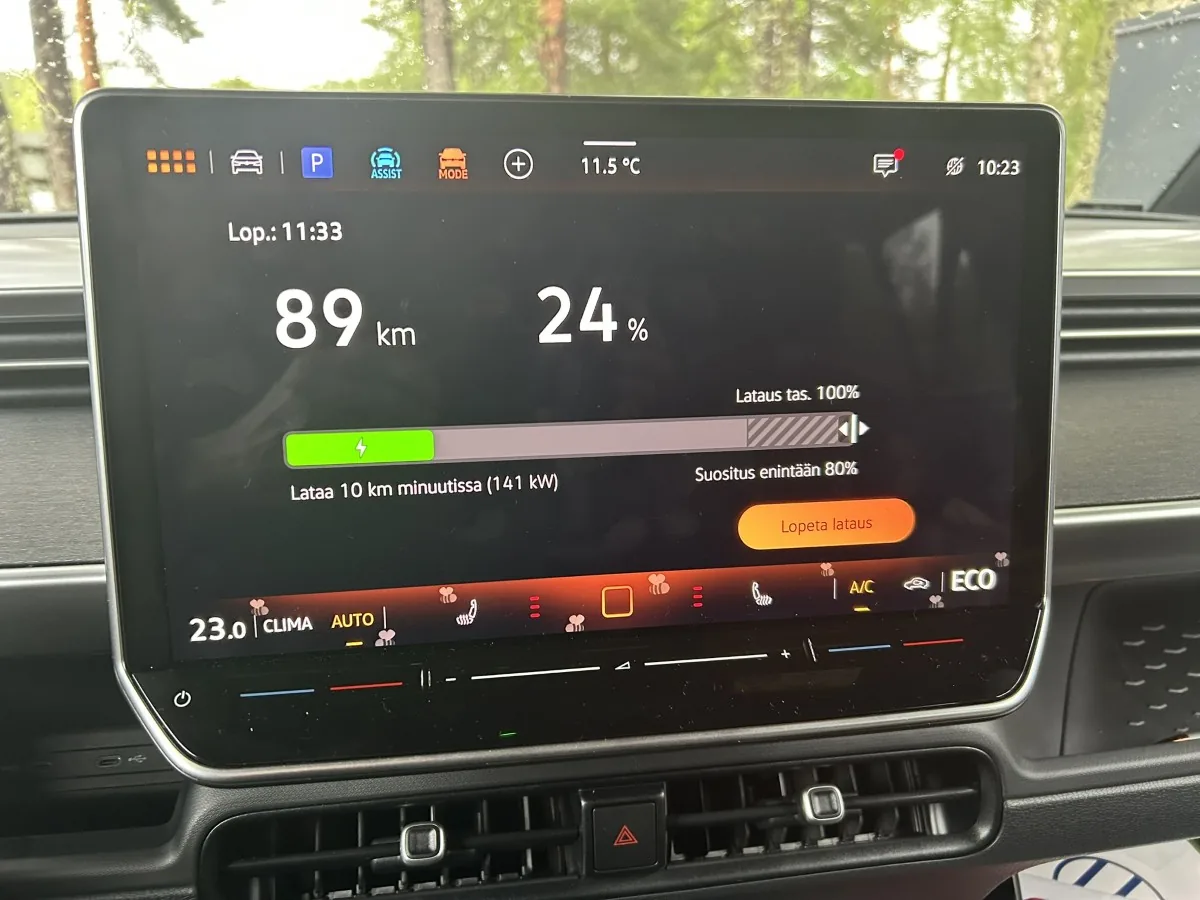
During one lunch break, charging was so efficient that the battery reached 100% before we finished eating—and we didn’t have the charger set to the conservative 80% default.
Peak charging power reached over 140 kW, with a minimum of 60-70 kW depending on battery temperature and state of charge.
Comfort and convenience
Multiple USB-A and USB-C sockets are fitted throughout, though a traditional 12V socket is absent from the front. One is available in the boot. Wireless smartphone charging is integrated into the dashboard.
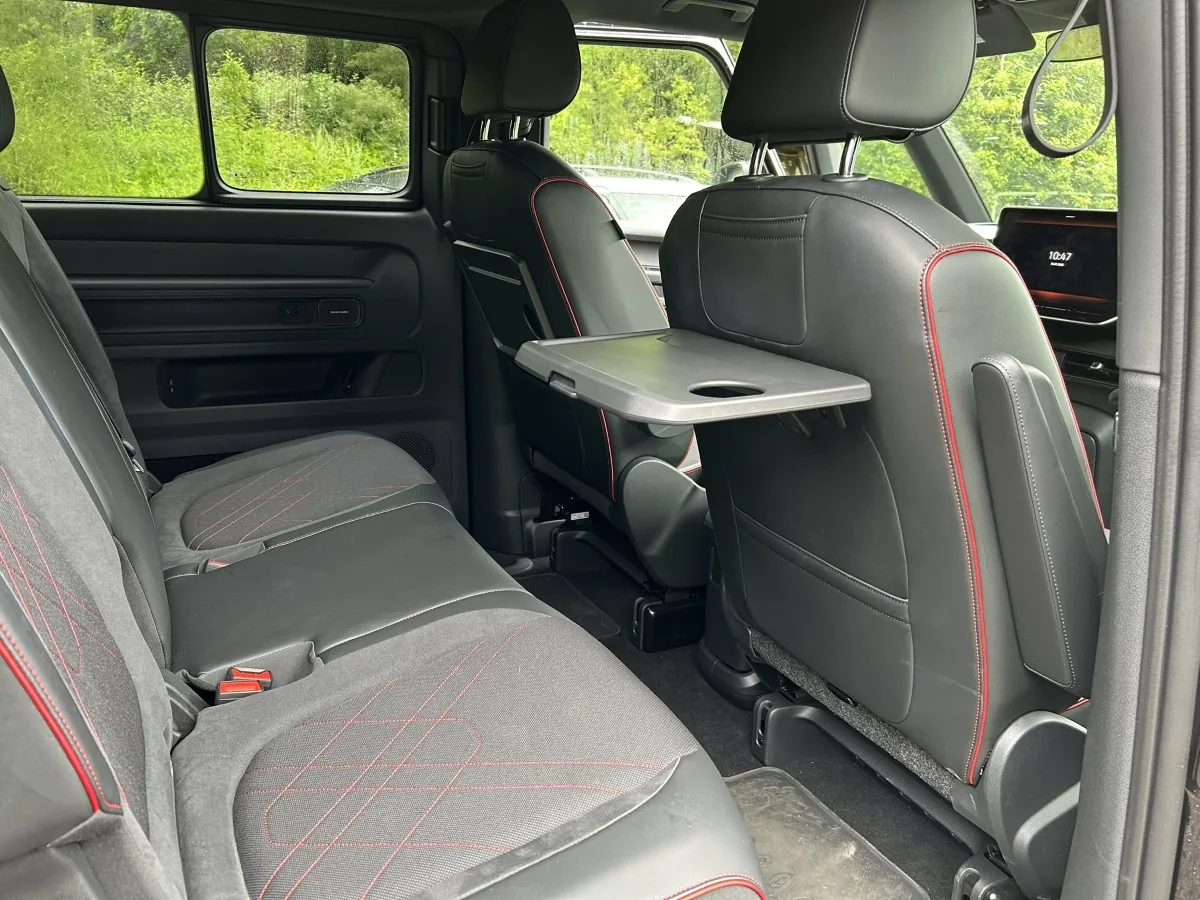
The second row includes handy front-seatback pockets and a fold-down table in the seat backs—practical touches for families. Voice control works well via the “Hello Ida” voice assistant, which responds to questions and navigation requests.
The GTX advantage
All ID. Buzz Pro models include an air heat pump, LED headlights, LED tail lights, a multifunction steering wheel, and lane-change and lane-keep assist. The GTX steps up from the Pro with enhanced styling and additional equipment.
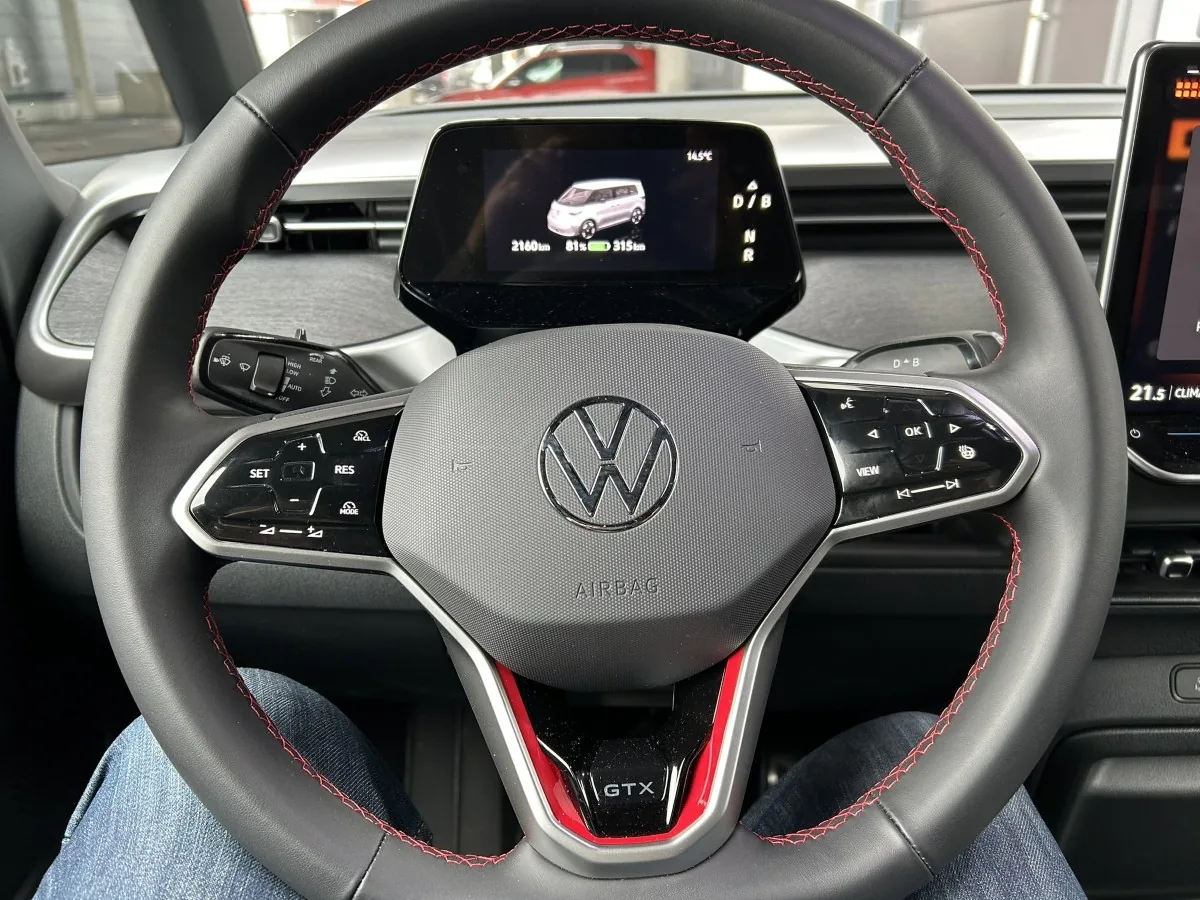
Standard GTX equipment includes 20-inch alloy wheels, IQ.LIGHT LED matrix headlights, sports-trimmed interior with black headliner and red seat stitching, and a GTX-badged multifunction steering wheel. Cherry red exterior paint is exclusive to GTX.
Pricing
For those looking for a MPV, the car is very practical, but the price is such that it won’t suit everyone. The basic model is clearly cheaper, but when you want a car like this, you usually want all the goodies. The standard-wheelbase Pro begins at €61,990, whilst the GTX starts at €74,190. Long-wheelbase versions range from €65,990 to €77,490.
Volkswagen ID. Buzz GTX
Electric motor power: 250 kW (340 hp)
Torque: 560 Nm
Acceleration: 6.4 s (0 – 100 km/h)
Driving battery capacity (net): 86 kWh
Manufacturer’s declared combined energy consumption: 21.3 kWh/100 km
Manufacturer’s declared range (combined): 420 km (WLTP)
Test-driven range on a single charge: 350 – 400 km
Electricity consumption during test drive: 23 kWh/100 km
Maximum charging power (DC): 200 kW
Charging power (AC): 11 kW
Kerb weight: 1810 kg
Maximum total mass: 2935 kg
Luggage compartment: 406 – 1878 l
Traction: four-wheel drive
Maximum towing capacity: 1800 kg
Price of the test drive model from: 77 400 euro
Price of the test car with options: €89 200
Photos: Clas von Bell.
What are the battery options for the Volkswagen ID. Buzz GTX?
How quickly can the ID. Buzz charge?
What is the real-world energy consumption?
How many people can the ID. Buzz accommodate?
What safety and driver assistance features are included?