- Engine
- 2.0-litre 4-cylinder TFSI petrol
- Power
- 150 kW (204 hp)
- Range
- ~820 km (calculated)
- Consumption
- 7.2 l/100 km (WLTP); 8.21 l/100 km (tested)
- Drivetrain
- Front-wheel drive
- 0–100 km/h
- 7.6 s
- Top Speed
- 241 km/h
- Seats
- 5
- Price
- €67,366 (as tested)
Test drive and text: Juha Remes
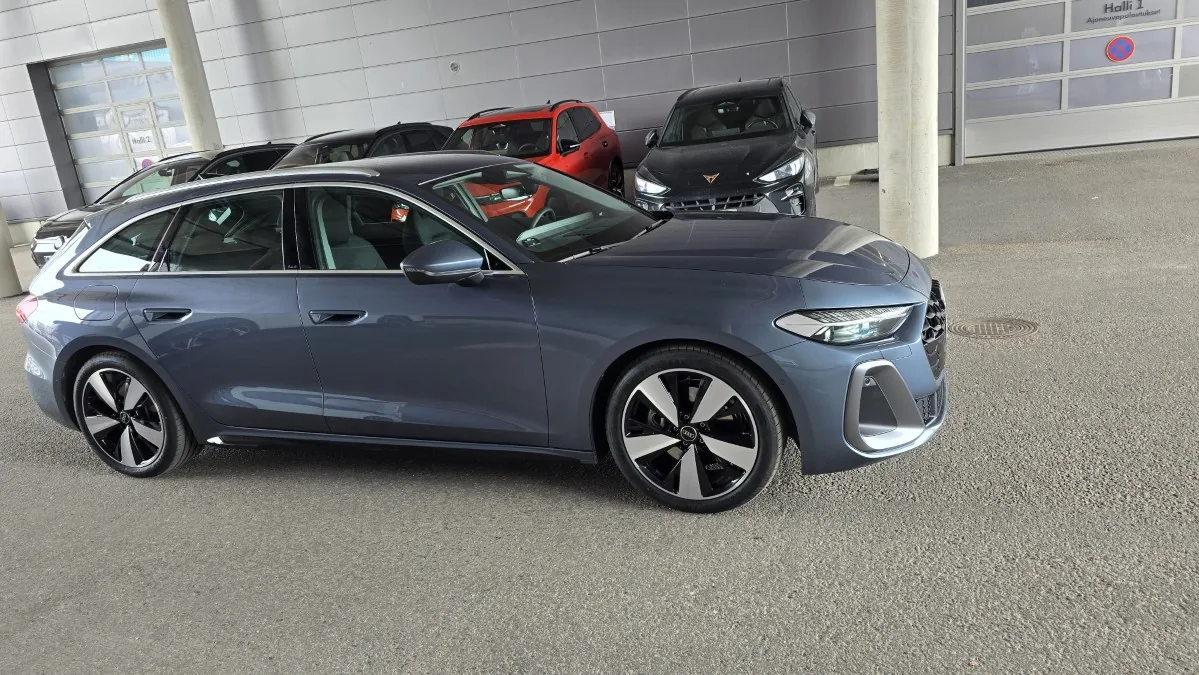
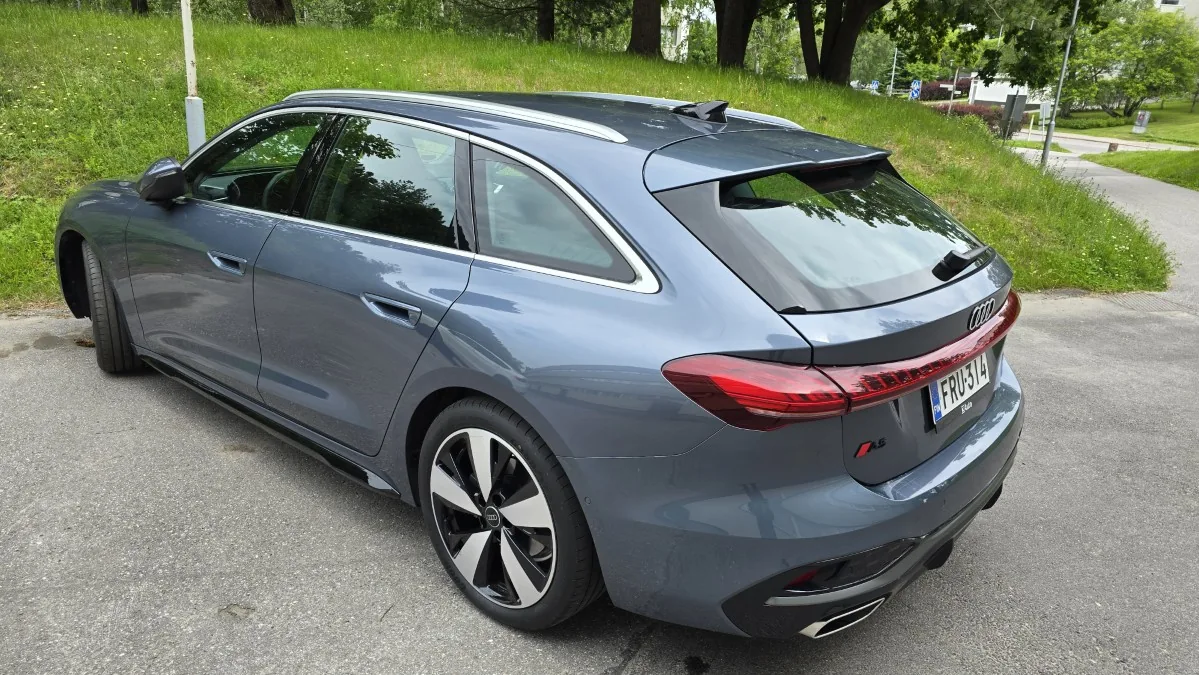
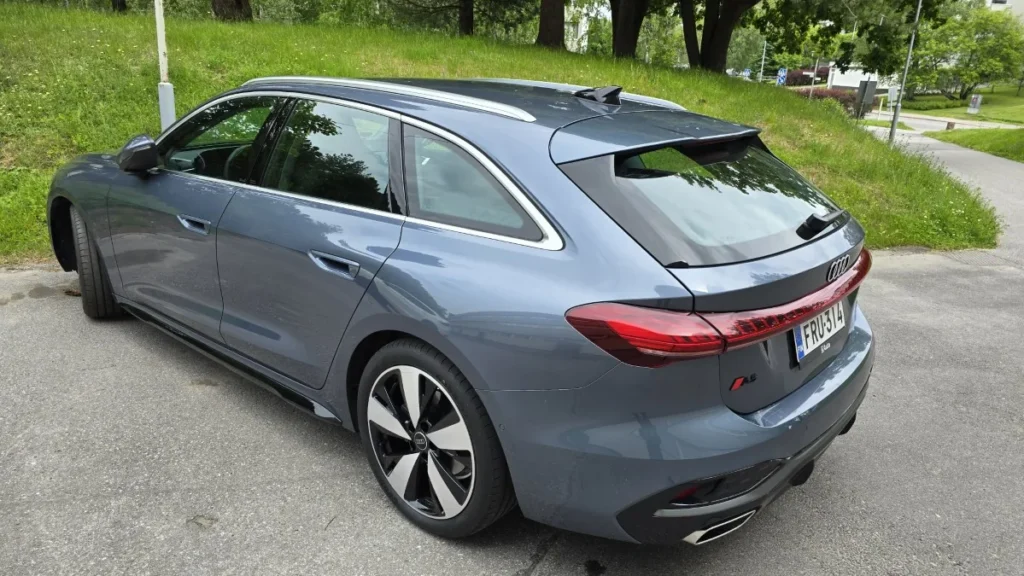
The A5 Avant TSFI quattro, 150kW S tronic, is a car with a purely conventional petrol engine.
A Wide Range Still in Demand
Audi offers a broad selection of cars, including traditional internal combustion engine models. The new range is split into even and odd numbered series with new significance: even numbers denote electric cars, odd numbers denote petrol and diesel vehicles.
The new A5 range is built on the previous A6’s chassis platform, which has increased overall dimensions from the earlier generation. That Audi continues to launch a wide range of combustion engine cars reflects persistent strong demand for petrol vehicles.
In many EU countries, electric and hybrid cars receive tax incentives, but where these don’t exist, petrol cars remain more affordable than their electric counterparts. Additionally, charging infrastructure varies widely—comprehensive networks exist in only a few countries, and electricity costs are often steep. Further constraints include availability, with many properties unable to support EV charging infrastructure, leaving conventional petrol engines as the practical choice.
Spacious Interior
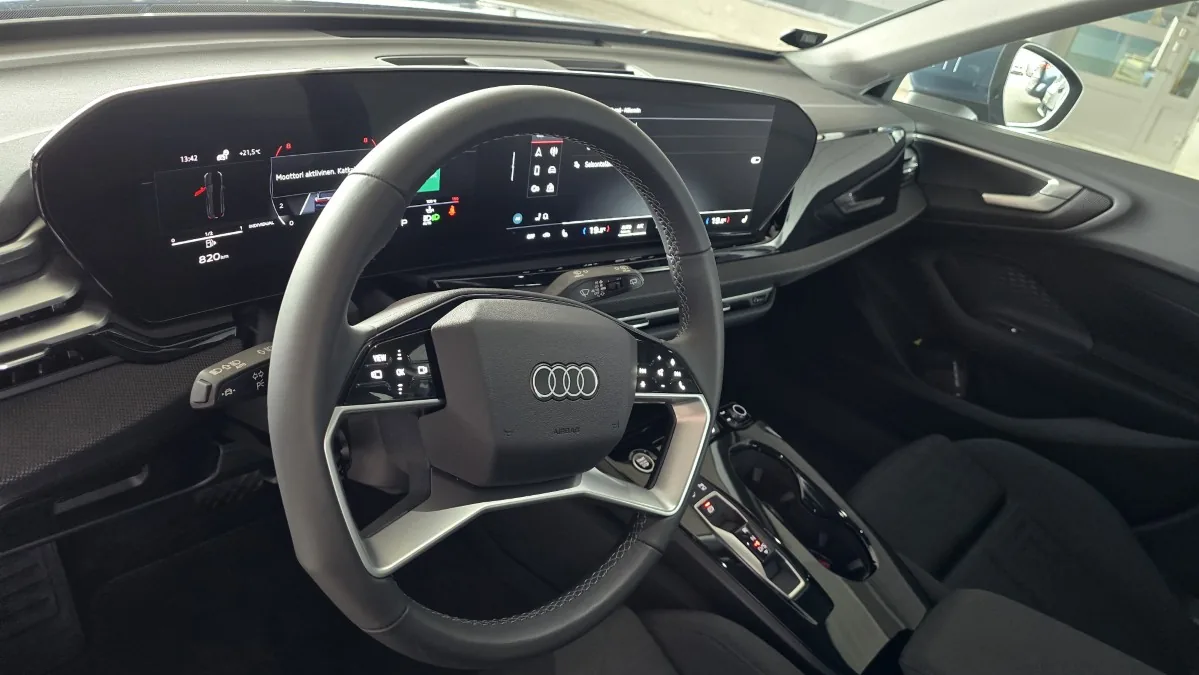
Settling into the driver’s seat, the support feels firm and length, height and all necessary adjustments are easy to make. One minor gripe: the fixed headrest offers no adjustment—a small cabin shortcoming for a car of this class.
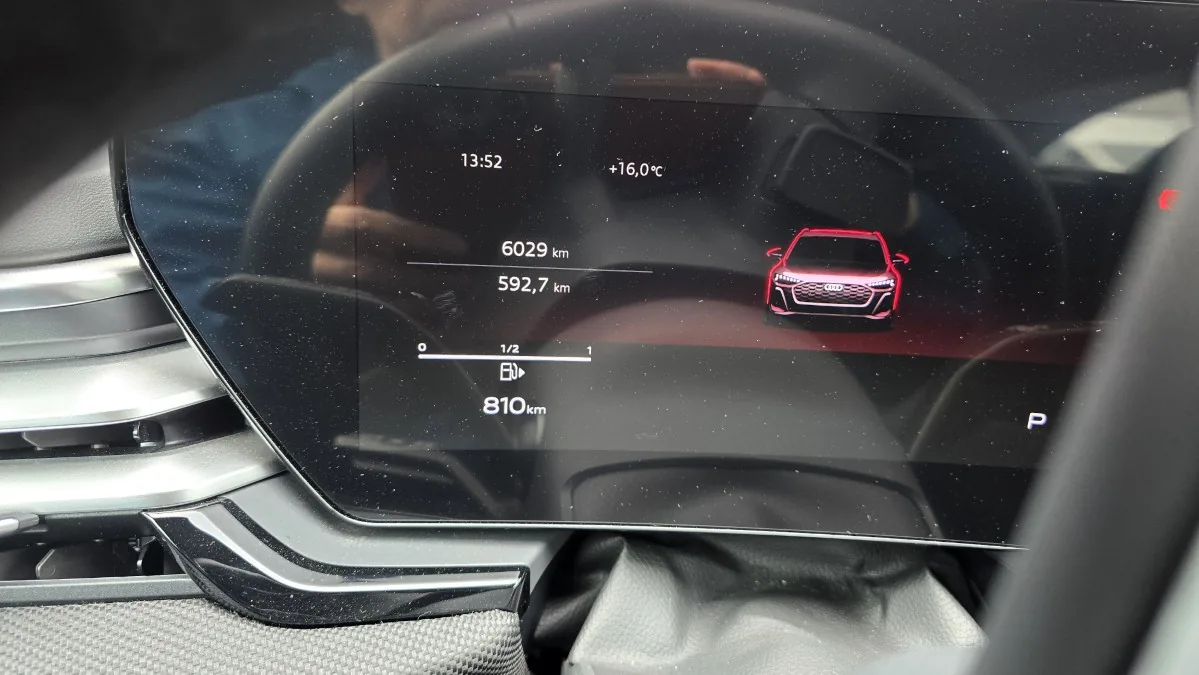
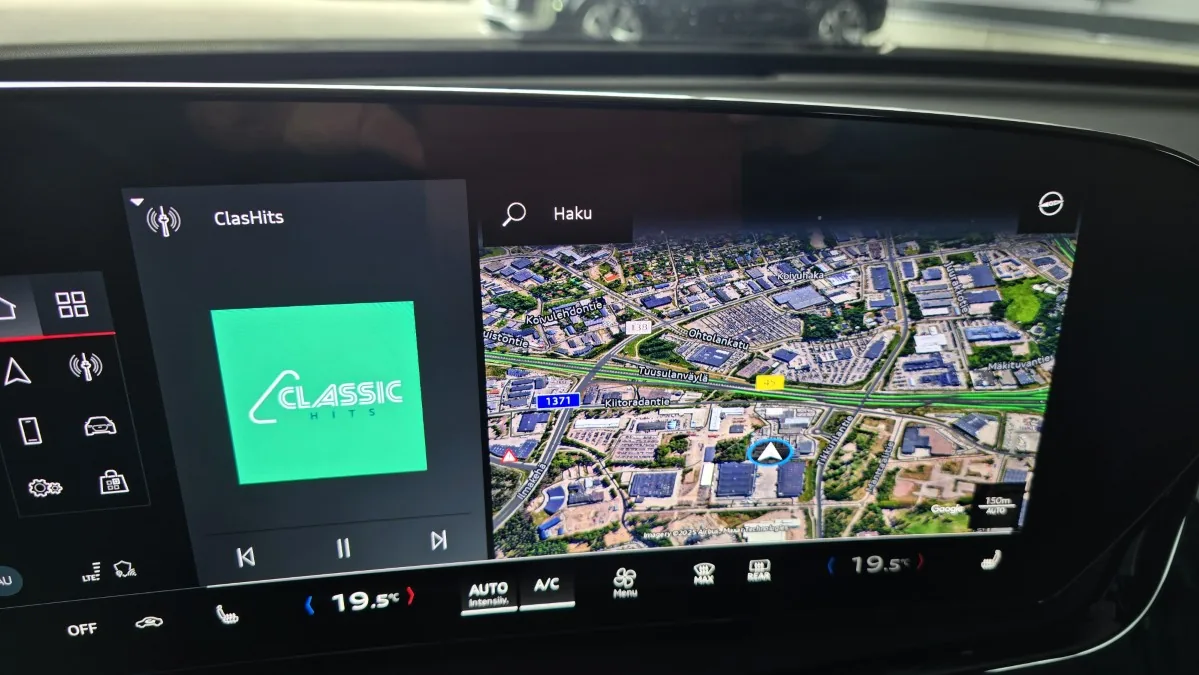
The instrument cluster is the console’s centrepiece—a sweeping digital display that can be paired with an optional front-passenger media screen. The driver’s screen measured 11.9 inches, the passenger’s 14.5 inches, allowing both occupants to enjoy the system, from video playback to music and radio control.
Interior space is genuinely generous. Front seats and the gap between them offer plenty of elbow room for two adults. Controls are broadly within easy reach, though seat heaters and air conditioning sit behind a touchscreen—simple to locate once found.
The steering wheel feels substantial, with media and support functions on both spokes and stalks. The cruise control, however, sits on a separate stalk on the left at 8 o’clock—logical in function but difficult to locate and out of sightline. This demands adjustment if you’re unfamiliar with Audi’s layout.
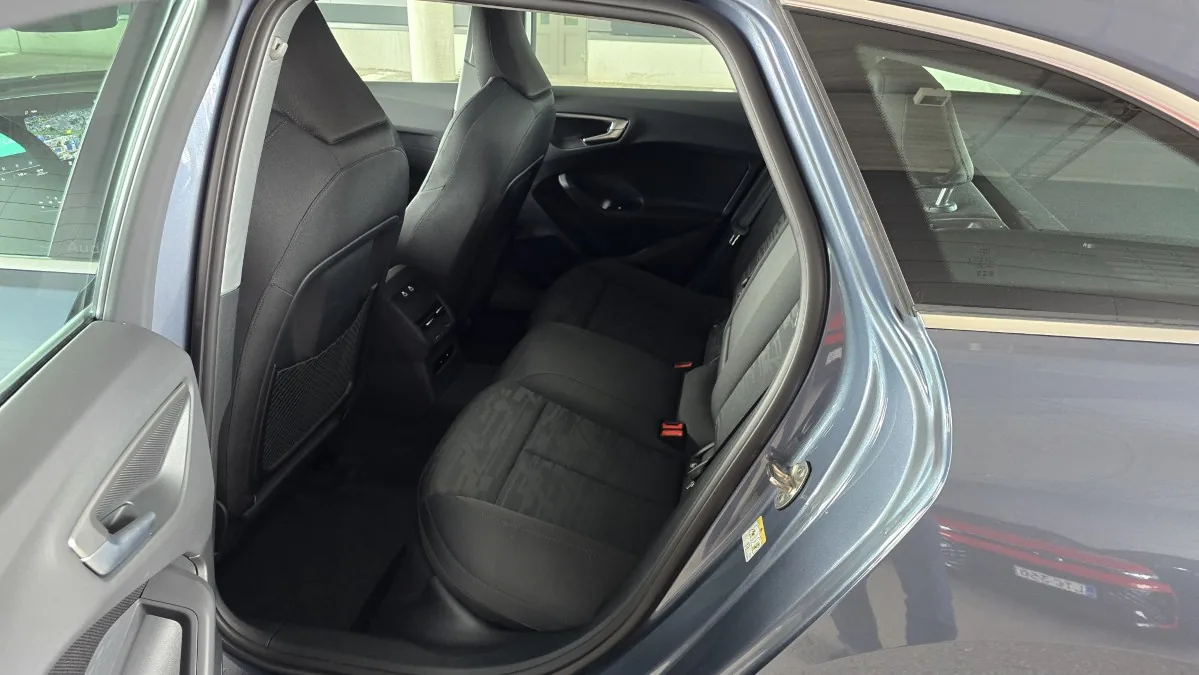
Traditional physical controls are still present, with radio volume and power switches positioned in the centre console, accessible equally from driver and front passenger—a thoughtful touch on longer journeys. The back seat comfortably fits two, or even three adults if the front seats aren’t at maximum rearward travel.
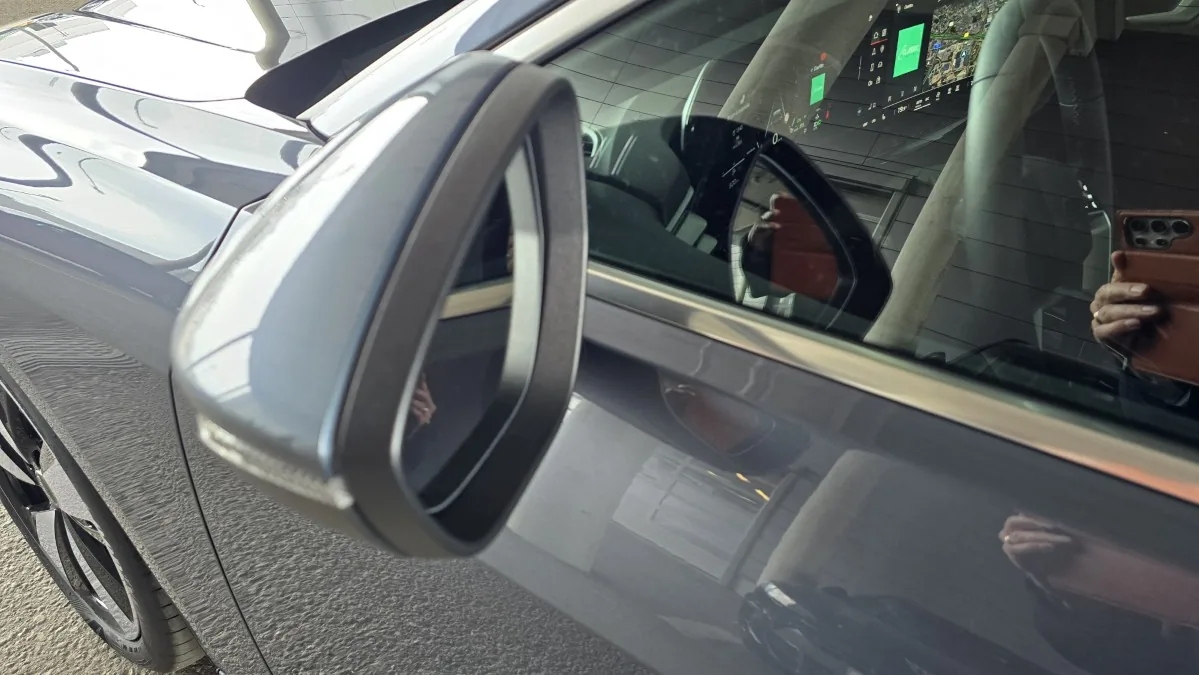
The navigation system is clear and the screen large enough to read at a glance. The trip computer offers additional customisable layouts. Outward visibility is good, rear-view mirrors provide solid rear sightlines, though this test car lacked the optional blind-spot warning system—a feature worth considering in this price bracket.
Throughout, the interior feels refined and materials are high quality. Various LED lighting creates an inviting atmosphere. The overall effect is dignified—modern without tipping into excessive futurism.
Practicality and Equipment
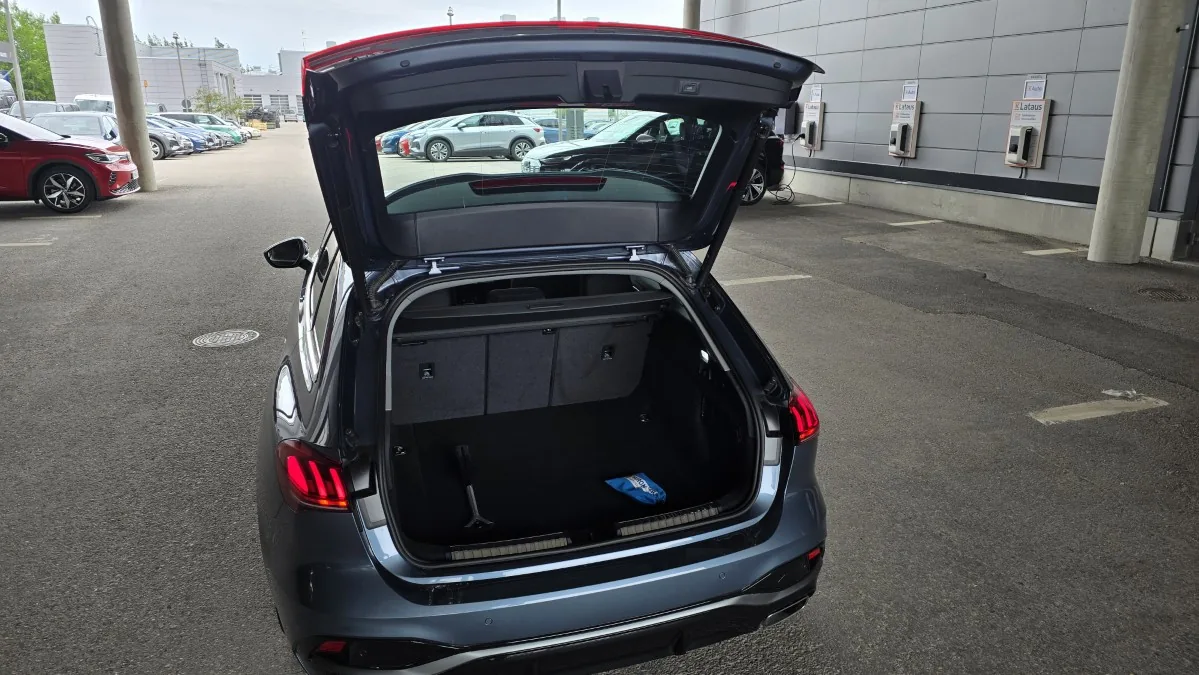
Boot space reaches 448 litres, expandable to around 1,400 litres with rear seats folded. The test car’s total price: €67,366.
Standard equipment is comprehensive: Driving Assistance package, Audi Sound System, Audi Connect Navigation & Information System, virtual instrument cluster, automatic climate control, lane departure warning, camera-based speed limit recognition, adaptive high-beam assist, LED headlights, quattro all-wheel drive, adaptive cruise control, parking assist, reversing camera, cross-traffic alert, electronic tailgate, and numerous other features.
As a conventional petrol car, certain electric-vehicle-specific features are naturally absent.
On the Road
Performance is well-suited to European driving conditions. It accelerates to 100km/h in 7.6 seconds with a 241km/h top speed, and quattro all-wheel drive handles all road surfaces competently.
I conducted this test drive without manuals or driving guides—as previous readers will expect. The car feels spacious and intuitive, and despite manual seat adjustment, the driving position settles quickly into comfort. A premium car of this stature would arguably benefit from electric seat controls, but that’s a minor detail.
Our 580-kilometre test covered varied conditions: traditional roads, motorways, town driving, and rough, slippery gravel tracks in both dry and wet weather.
Average fuel consumption: 8.21 litres per 100 kilometres—entirely reasonable for a car of this size. The resulting range of 820 kilometres per tank matches typical diesel efficiency, a respectable figure for a petrol engine.
This was my first extended petrol test drive in some time. The car’s starting, acceleration and gearbox response felt distinctly different from hybrid and electric cars I’ve been testing. The accelerator shows slight initial delay, and the gearbox reacts with a touch of lag during both acceleration and deceleration—both entirely normal for combustion engines. These feel pronounced only when you’re accustomed to electric instant-response, but they’re characteristic of the technology. The A5 performed entirely normally by combustion standards.
For its size, the A5 is genuinely nimble and easy to place. It’s composed and comfortable across all surfaces. The steering responds directly, road grip is firm. The driving experience is genuinely pleasant. It corners confidently, handles uneven surfaces gracefully, and remains well-balanced even in sharp bends and rough terrain.
Gravel-road behaviour is equally assured: good control on loose, uneven surfaces where the tyres maintain solid purchase.
Driver Assistance and Summary
During the test, all features performed as designed. The lane departure warning worked reliably, automatic light controls engaged properly, and supplementary driving aids all functioned as intended. Otherwise, results aligned with expectations—a modern combustion-engine car delivers what it should.
The A5 Avant test drive was genuinely enjoyable, serving as a reminder of what contemporary petrol-engine driving feels like. A capable, spacious all-rounder with honest performance and composed handling, it’s well-suited to diverse uses and ownership patterns.
Specifications
Engine: 1,984 cm³ 4-cylinder TFSI, 150kW/204hp, 340Nm torque
Transmission: 7-speed automatic
Performance: 0-100km/h in 7.6 seconds; top speed 241km/h
Fuel consumption: 8.21 l/100km (real-world test); 7.2 l/100km (manufacturer combined)
CO₂ emissions: 165g/km (manufacturer)
Fuel tank: 56 litres
Range: 820km per tank
Kerb weight: 1,840kg
Boot: 448 litres (1,400 litres with rear seats folded)
Wheelbase: 2,896mm
Dimensions: 4,835mm long × 2,099mm wide (with mirrors; 1,601mm without) × 1,444mm high
Towing capacity: 1,700kg (with brakes); 750kg (without)
Test car price: €67,366
Options fitted: €7,040
Photo: Juha Remes.
What is the real-world fuel consumption of the A5 Avant TSFI?
How quick is the A5 Avant petrol?
Is there enough interior space and comfort?
What is the boot capacity?
What safety and driver-assistance features are included?