- Engine
- Electric
- Power
- 250 kW (340 hp)
- Range
- 493–601 km (WLTP)
- Consumption
- 15.4–18.6 kWh/100 km
- Drivetrain
- Rear-wheel drive
- 0–100 km/h
- 6.1 s
- Top Speed
- 193 km/h
- Battery
- 81.2 kWh (net) / 83.9 kWh (gross)
- Seats
- 5
- Price
- from €73,800
Test drive and text: Antti Järveläinen
BMW has aroused diverse emotions in recent years, and without hesitation the company has pursued and implemented bold new design directions for its model range. The latest five-series conceals practically every powertrain variant—from diesel to fully electric—beneath the same bodywork. Breaking clearly from mainstream practice, BMW offers consumers genuine choice in powertrain without forcing compromise on design.
Straightforward styling
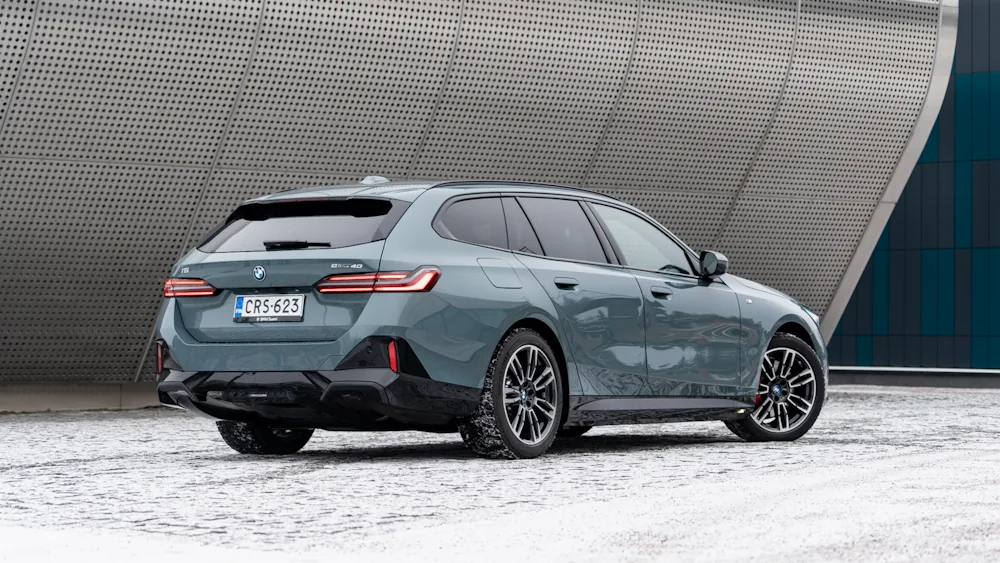
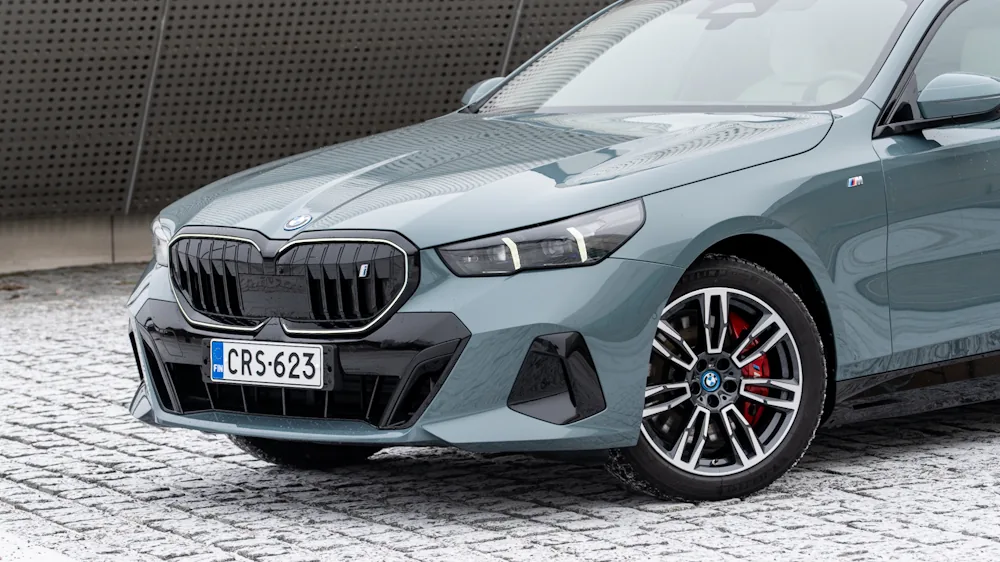
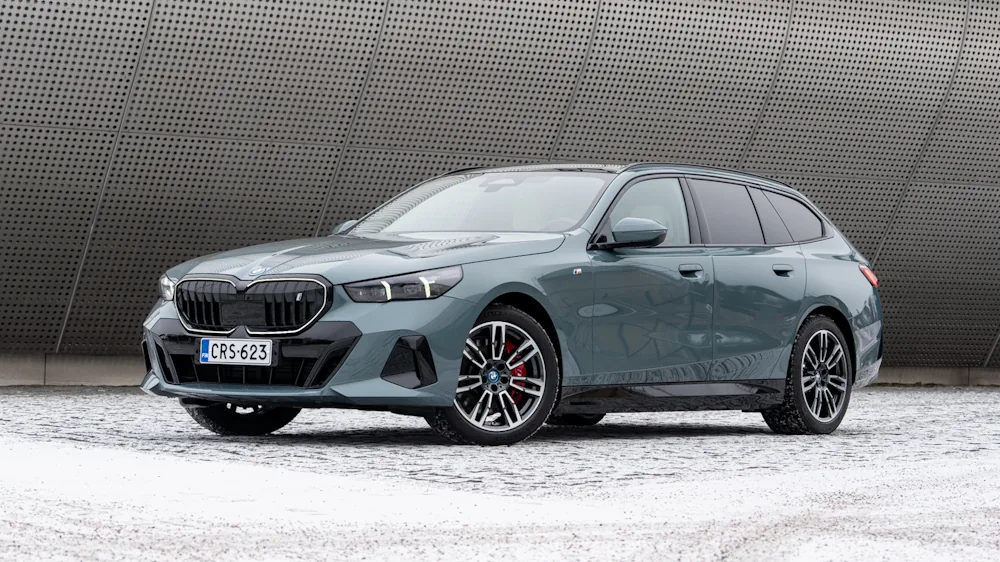
The best way to describe what BMW is doing with its latest model updates is a simplification of design language. The familiar BMW markers remain instantly recognisable, yet particularly from the front and sides, the current G60 generation presents a distinctly more restrained and refined appearance than its predecessor. The lights appear visually crisper, and the car’s refined side character line sits closer to the lower window edge.
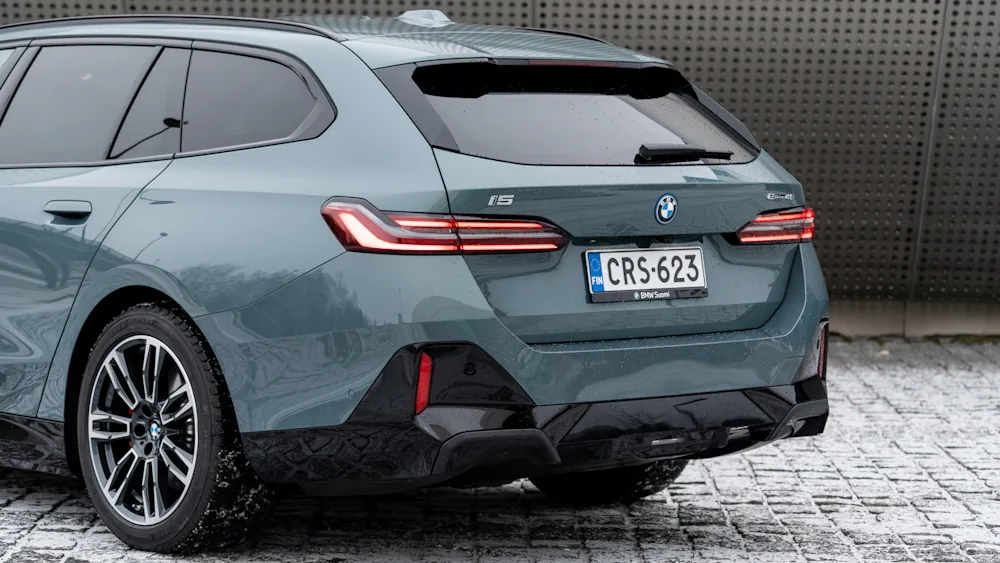
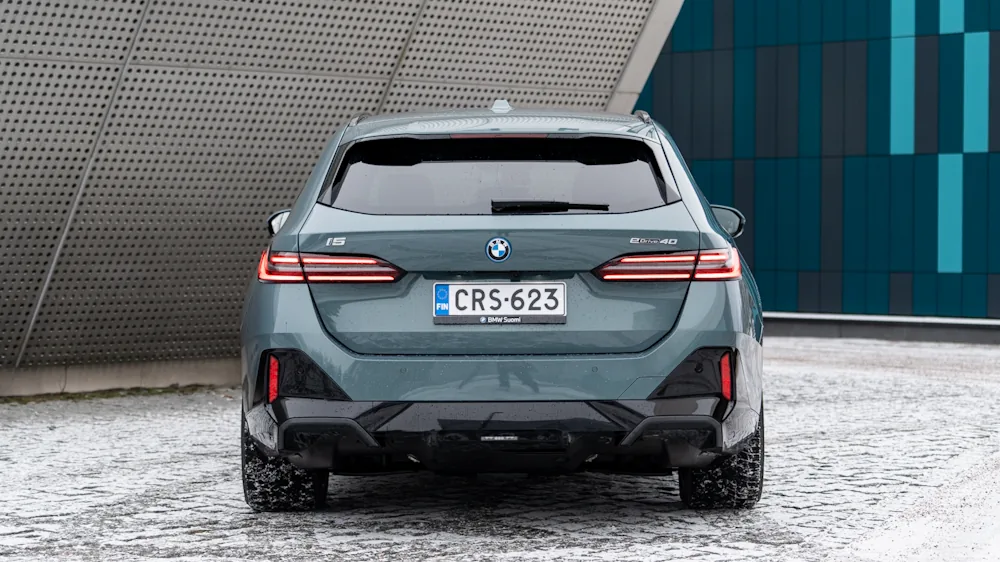
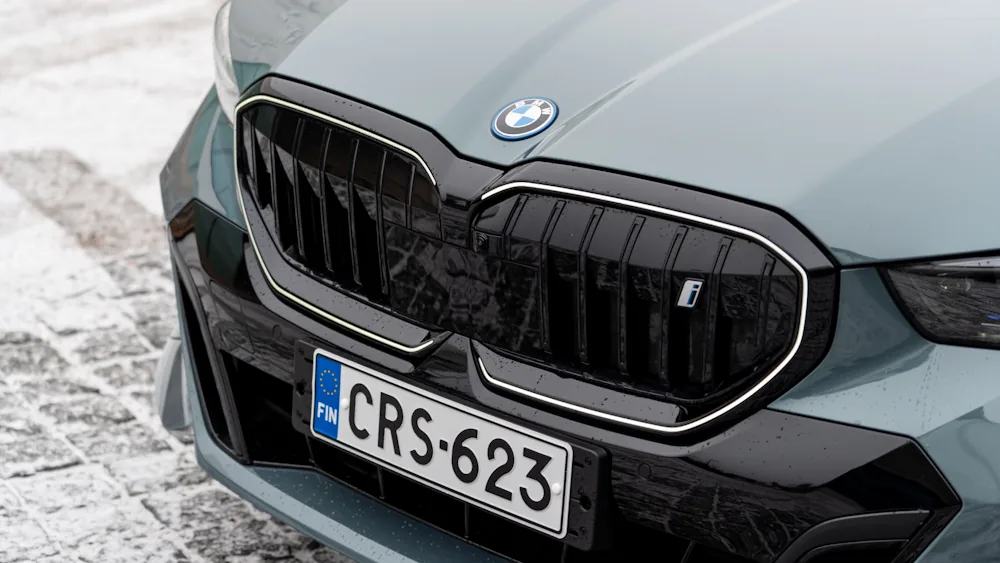
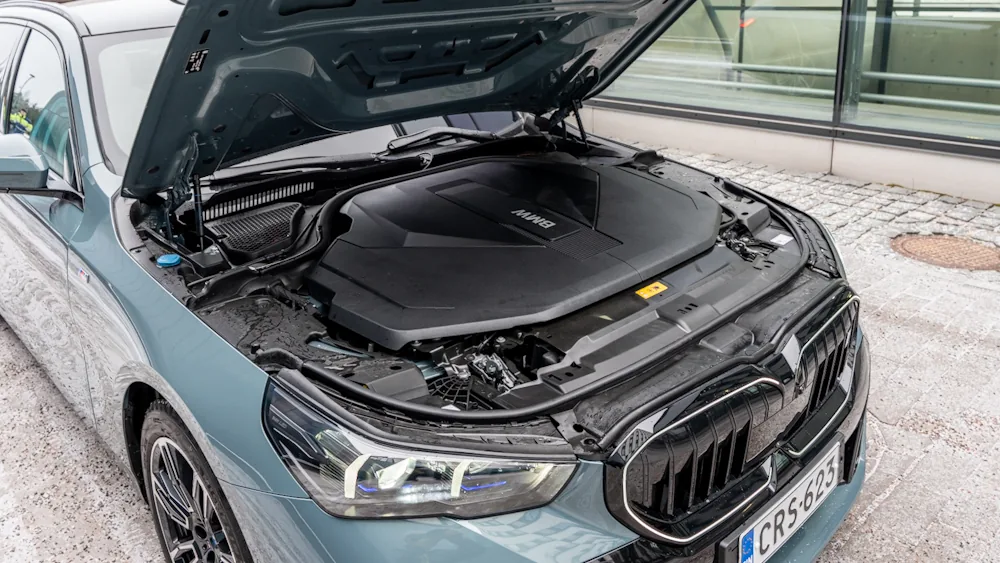
The front grille ‘kidneys’—originally engineered to supply cooling air to the engine—are now blanked off like those of other electric cars, yet their size has actually increased. The test car’s black front grille is outlined with bright trim, much like the larger i7. The rear of the test estate looks substantially more imposing than the sleek front end, which emphasises BMW’s traditional association with powerful, rear-wheel-drive character.
The exterior styling will undoubtedly spark strong debate, particularly among traditional BMW enthusiasts. After a week of mixed first reactions, the exterior grows on you, and the rear end in particular develops a distinctly sporty, muscular presence. What is genuinely praiseworthy is that the car’s appearance remains visually coherent across all powertrain variants—an increasingly rare achievement.
Uncompromising interior quality
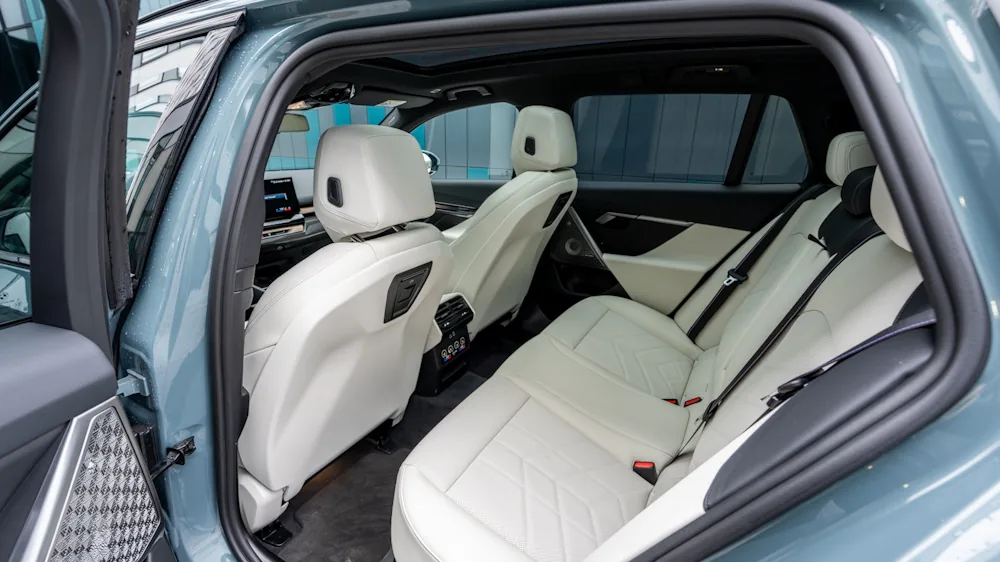
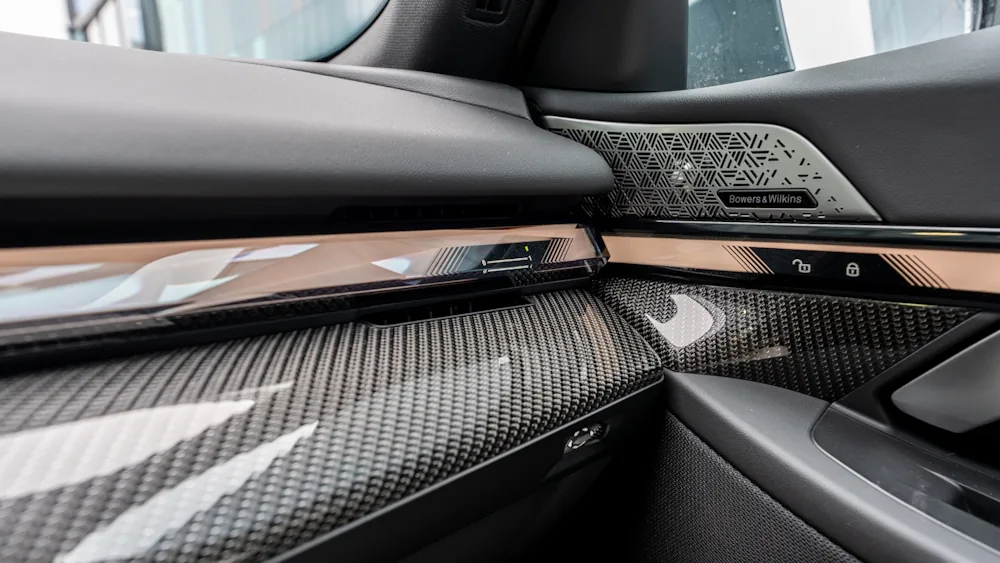
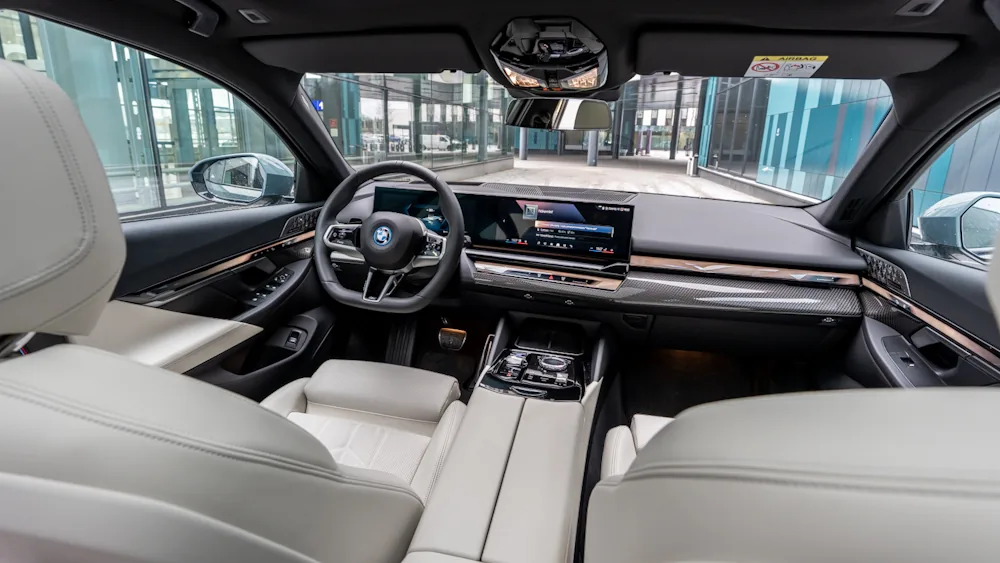
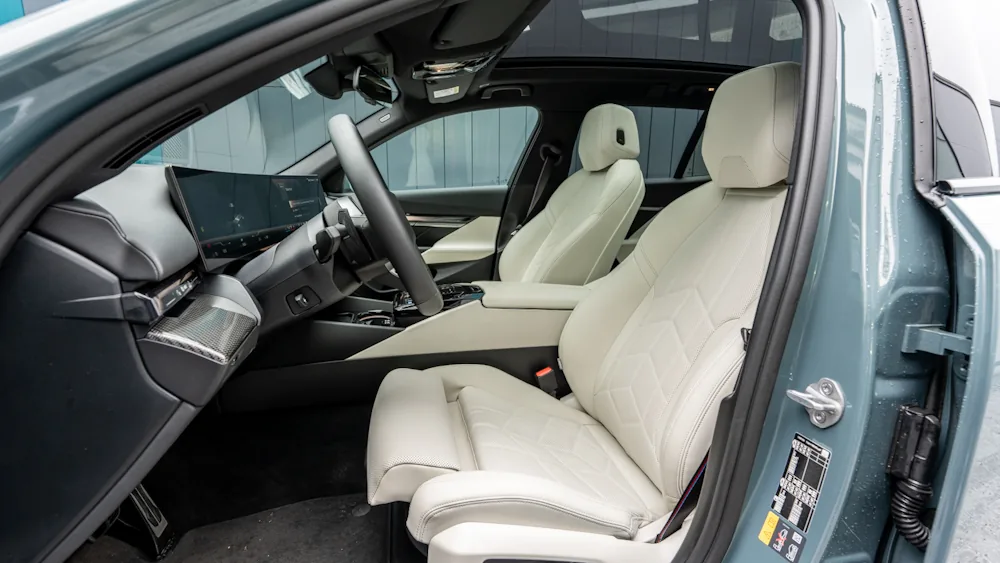
BMW has consistently maintained interior quality levels on the five-series that sit well above many direct competitors, as well as the smaller three-series. Material quality has not been compromised at any point, and the specification represents excellent value.
The driving position fits like a glove for a 186 cm tall driver—the cabin wraps around you comfortably. The thick leather steering wheel and supportive seats provide an excellent foundation for confident driving.
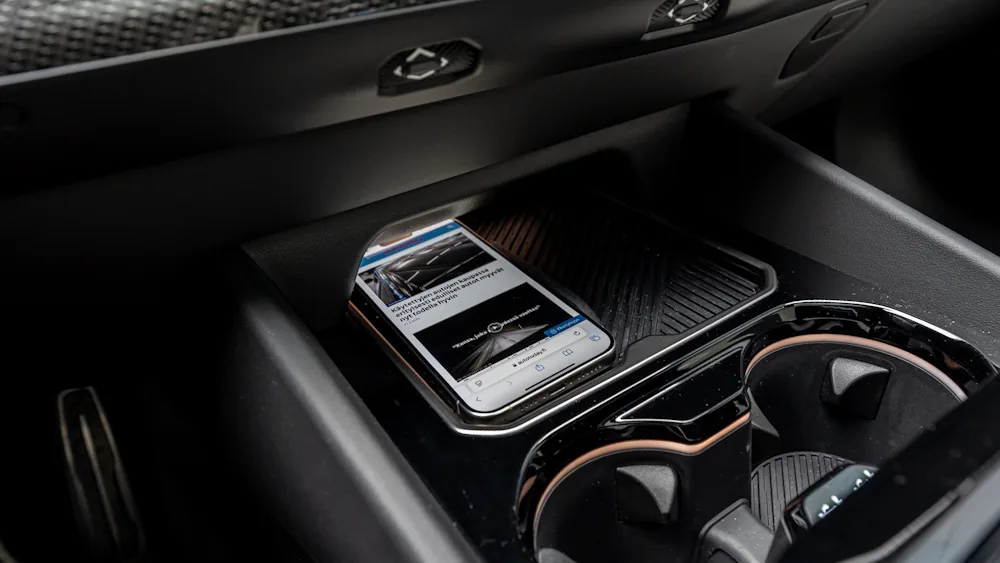
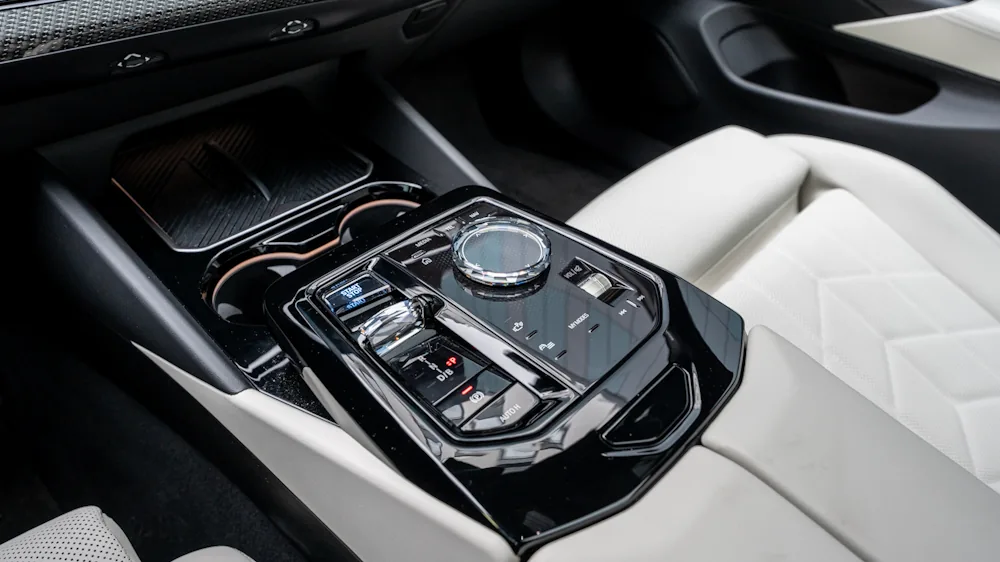
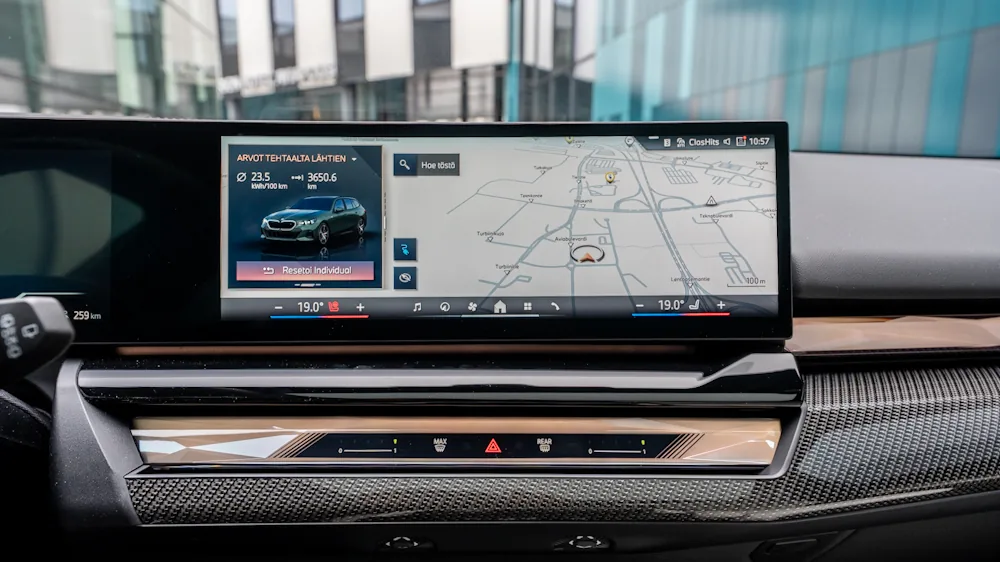
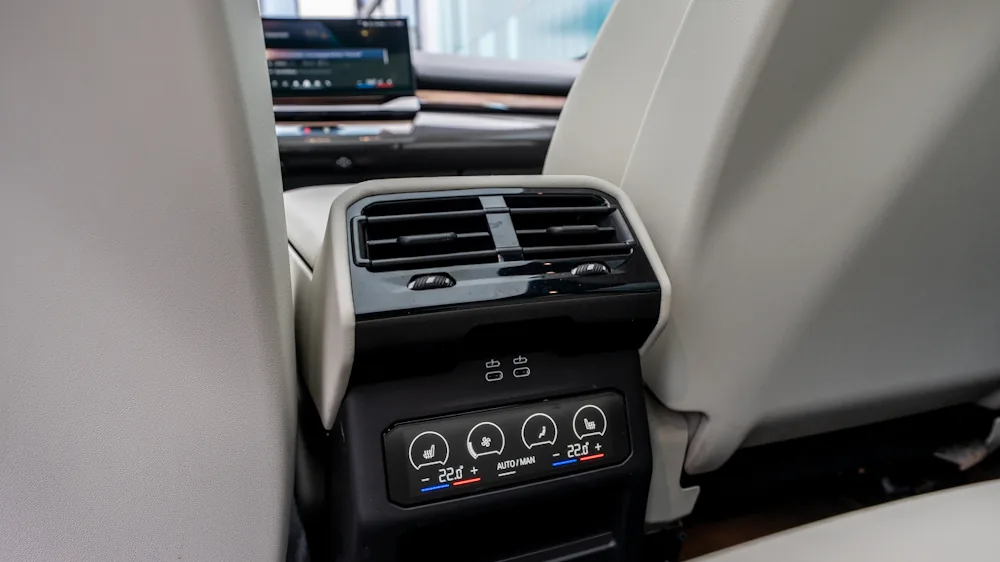
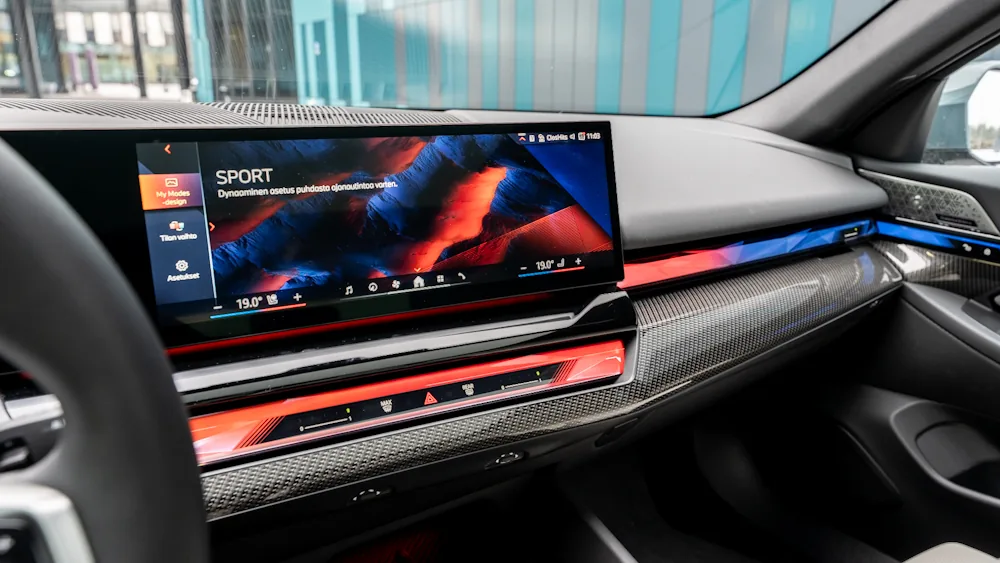
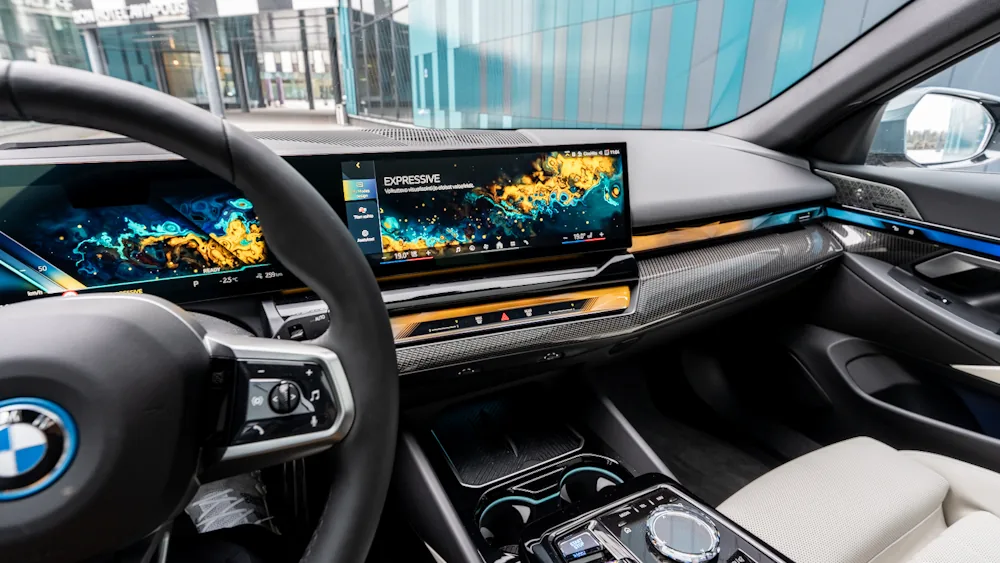
Controls sit comfortably within reach, though traditional buttons have been replaced with haptic and touch-sensitive switches. The dashboard comprises two separate screens, and the instrument cluster can be operated via touchscreen or a scroll wheel on the centre console. The somewhat slippery volume knob is not the most satisfying control in cold weather with dry fingers.
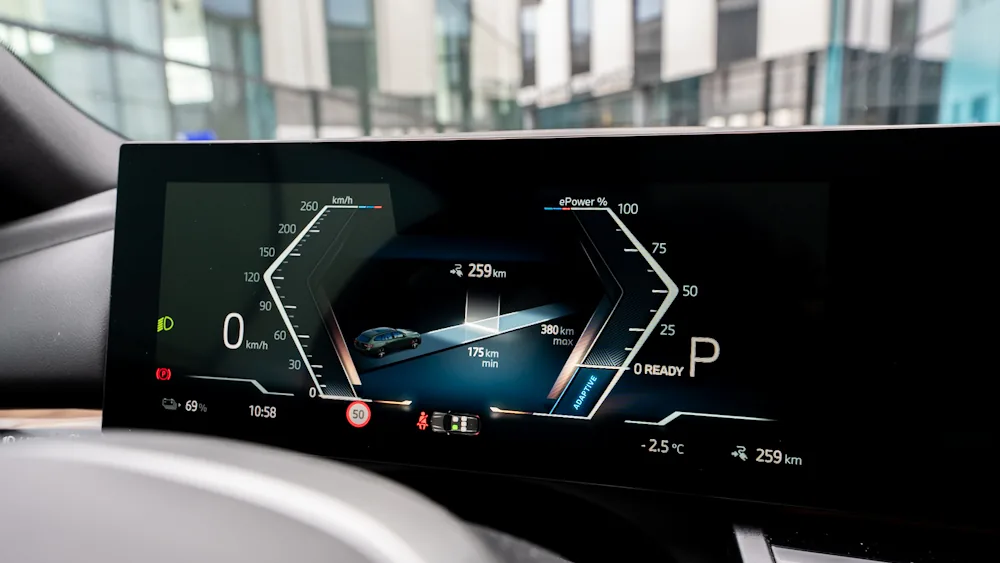
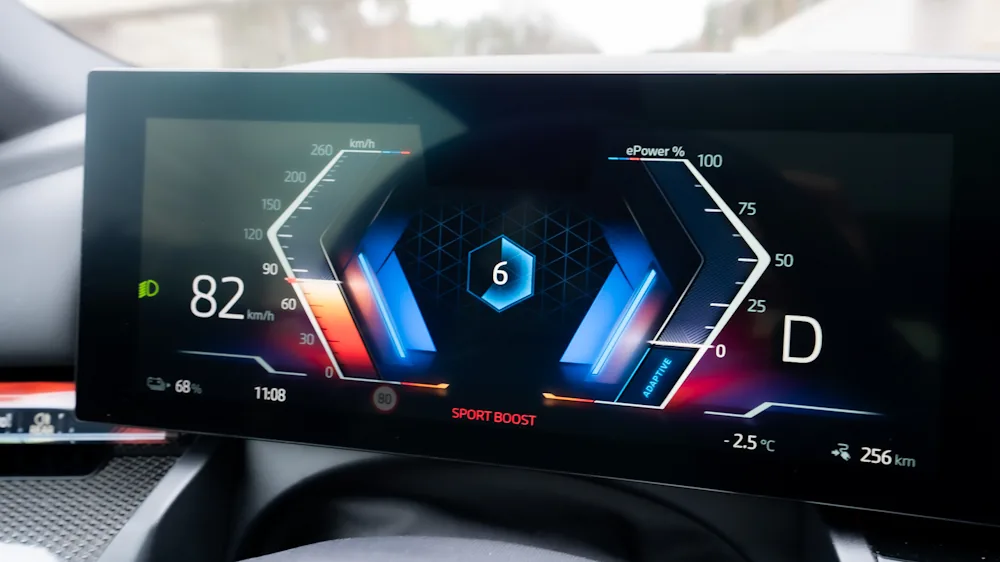
The instrument cluster and centre console showcase modern design at its finest. Gone is the traditional five-dial layout; instead you get a colourful, futuristic digital display like the rest of the cabin. The My Modes menu makes it trivially simple to adjust the atmosphere to match your driving style and mood.
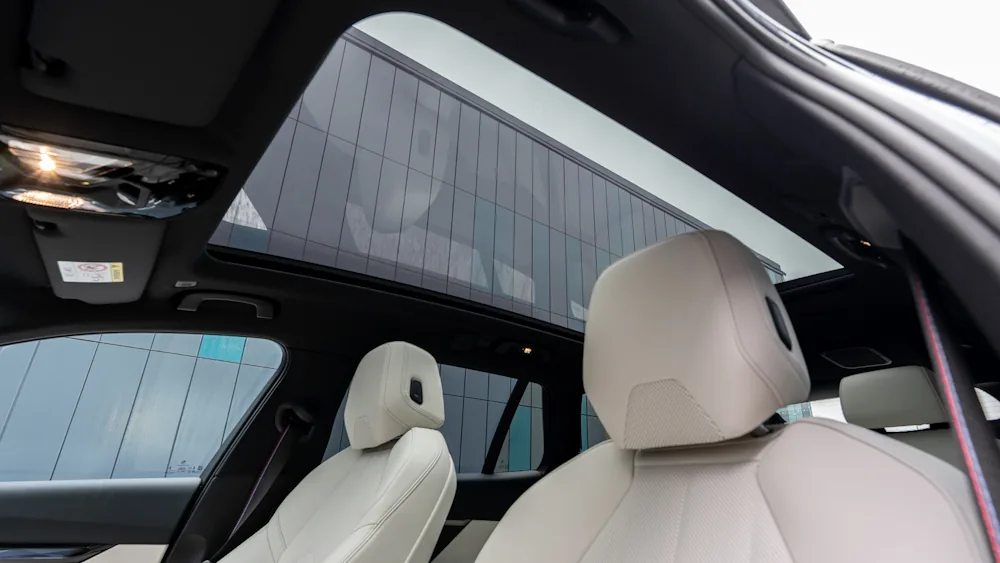
In darker conditions especially, the cabin lighting shifts from bright to softer tones, visibly transforming the ambience. The Relax mode even closes the panoramic sunroof blind, turning the already serene cabin into an even more peaceful sanctuary for the road ahead.
At first glance, the ability to switch driving modes seems inconsequential. Yet BMW has made the transition significant enough that you won’t tire of using it.
Absence of rivals
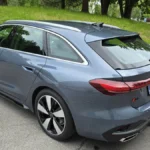
Spacious station wagons remain conspicuously absent from the premium all-electric segment. Mercedes still lacks a direct competitor in this category, and Audi’s new A6 Avant e-tron only recently arrived. Porsche’s electric Taycan offers a wagon variant, though it occupies its own segment.
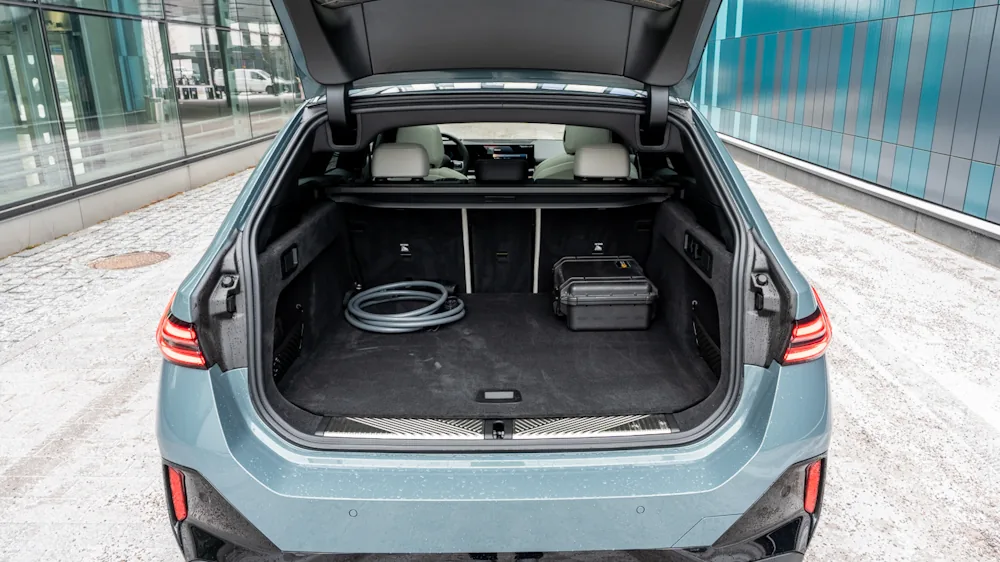
The i5 Touring provides a genuinely spacious 570 litres of boot space with the rear seats in normal position. The deep, wide boot easily swallows, for example, a large pram and its carry cot side by side.
Beyond interior space, the i5 dominates on sheer proportions: the i5 Touring stretches over 10 centimetres longer than its closest rival, the Audi A6 Avant e-tron, and exceeds the new seven-seat Volvo EX90 by several centimetres. The extended front overhang accounts for much of this length. Compared to the A6 Avant, the i5 offers approximately 70 litres more boot capacity.
Weight challenges of going all-electric
Like most modern BMWs, the all-electric i5 is built on the CLAR platform and available with both petrol and electrified powertrains. The kerb weight of over 2,200 kg will inevitably challenge the dynamic development process—a discipline in which BMW has earned decades of reputation.
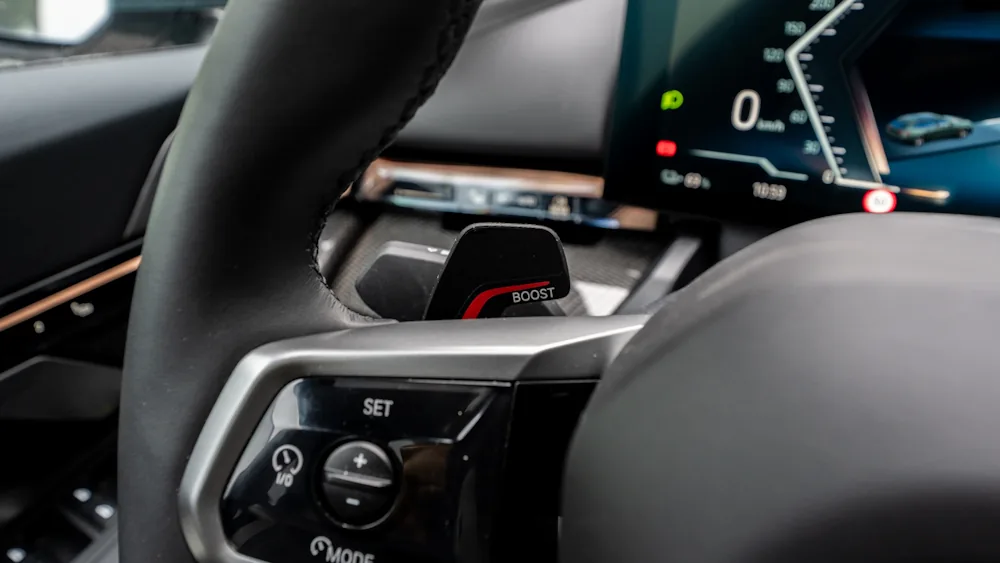
The test car represented the rear-wheel-drive, lower-power option in the range. In everyday driving, the power proves perfectly adequate, but harder acceleration reveals the combination of weight, rear-wheel drive, all-season tyres and the superbly comfortable suspension creates a sense of sluggish response. For 10 seconds at a time, the Boost function on the throttle delivers sharper throttle response and noticeably quicker acceleration.
The test car featured the adaptive M-Sport suspension. The chassis delivers an excellent balance of ride feel, with no struggles on varied road surfaces—the ride quality masterfully balances feel and comfort, exactly what you’d expect from a BMW family car. Maximum steering feedback and rear-end communication arrive with summer tyres fitted, yet the ride remained composed even on 19-inch all-season rubber.
The four-wheel steering reduces the turning circle from approximately 12 metres by just half a metre, but the i5’s over-five-metre length still handles corners with surprising agility.
The Assisted Driving system guides the car smoothly between lane markings as long as you keep your hands on the wheel. The moment your hands wander, it becomes quite insistent in requesting your attention.
Predictable energy consumption and reliable charging
The test took place during spring near-freezing temperatures. On cool mornings, the cabin warmed rapidly. Low-light visibility proved impressive thanks to the standard adaptive LED headlights, which automatically dimmed the high beam for oncoming traffic.
Throughout the test week, energy consumption ranged between 21 and 26 kWh/100 km. On the road at 100 km/h in sub-zero conditions, consumption settled at a reasonable 23.1 kWh/100 km. The manufacturer’s stated WLTP range of 493–601 km proved optimistic, at least in zero-degree temperatures, yet the car’s predicted remaining range proved consistently accurate.
At the observed consumption rate in near-freezing conditions, real-world range sat between 300 and 400 km—entirely typical versus the competition. The i5 comes with a single battery pack offering just over 80 kWh available capacity. For long-distance drivers, somewhat higher capacity would be welcome.
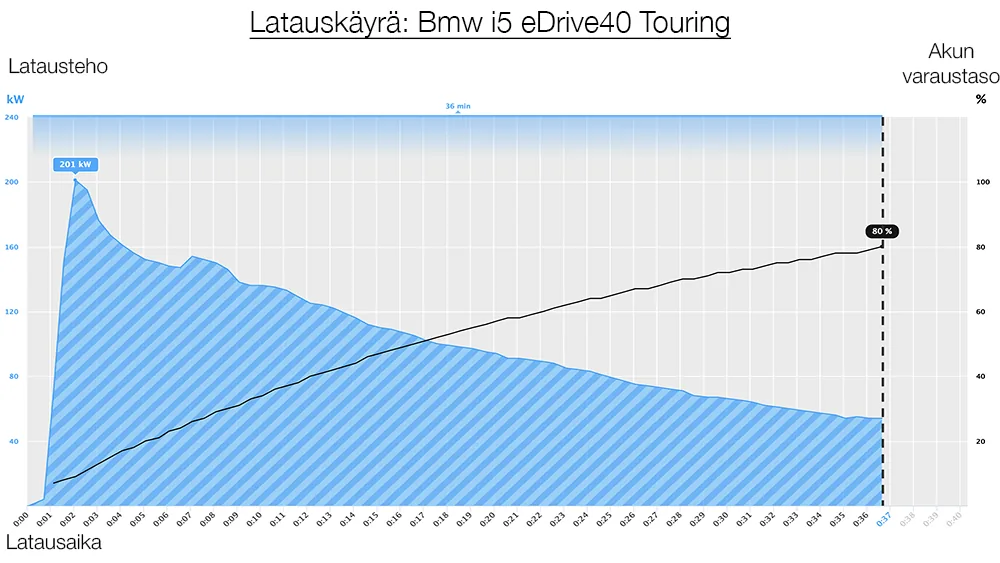
In the charging test, the manufacturer’s claimed 10–80% charge time of 30 minutes proved optimistic by six minutes (36 minutes total), though the estimated time-to-charge from a cold start was accurate to roughly one minute. Maximum charging power of 205 kW arrives immediately at the start of charging, then declines smoothly, reaching 50 kW towards the final stages. Notably, charging power remained above 100 kW for the first half of the charging cycle.
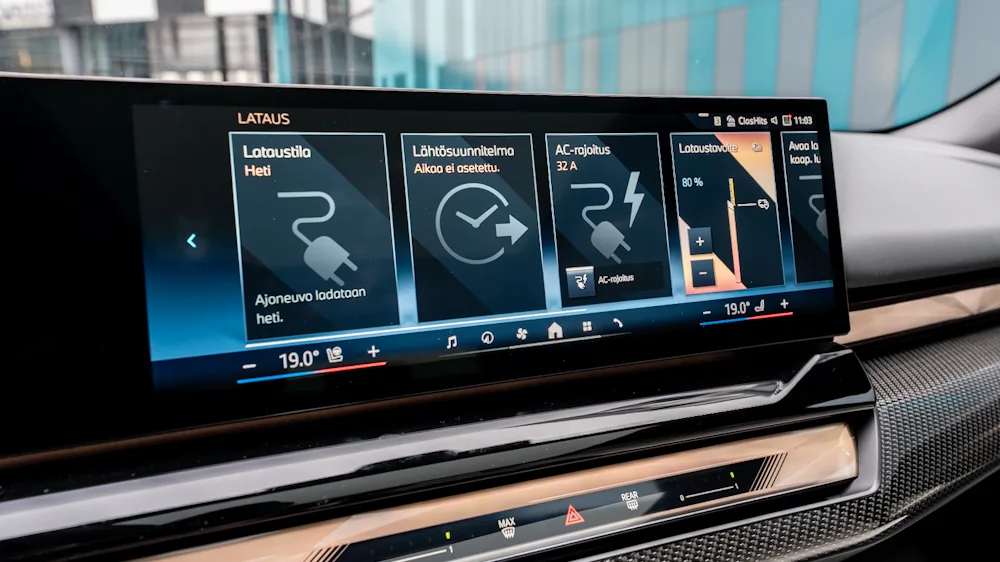
Battery preheating can be activated directly from the menu, with the car displaying required warm-up time and current status (low or acceptable temperature). The estimated warm-up time occasionally erred by a couple of hours, the battery warming significantly faster than predicted.
Investing just over €1,000 in an optional 22 kW on-board charger doubles charging speed at AC charging points—a worthwhile upgrade for regular DC quick-charging users.
Verdict
The BMW i5 Touring delivers genuine value for those prioritising quality, ambience and, above all, driving refinement. Interior space sets it apart from all-electric rivals, with a generously proportioned boot. As an electric car, the i5 proves a thoroughly reliable workhorse, though the battery capacity—and therefore range—feels slightly modest for a car commanding over €100,000.
BMW i5 eDrive40 Touring
Maximum output: 250 kW (340 hp)
Maximum torque: 400 Nm
Acceleration 0–100 km/h: 6.1 s
Battery capacity (gross): 83.9 kWh
Battery capacity (net): 81.2 kWh
Combined consumption (WLTP): 15.4–18.6 kWh/100 km
WLTP range: 493–601 km
Test consumption: 21–26 kWh/100 km (−5 to +2°C)
Real-world range on single charge: 312–386 km
DC fast charging (max): 205 kW
AC charging (max): 22 kW
Kerb weight: 2,255 kg (including driver)
Gross vehicle weight rating: 2,790 kg
Boot space: 570 l
Drivetrain: Rear-wheel drive
Towing capacity: 1,500 kg (braked)
Test car price: €101,610 (January 2025)
Base model price: €73,800 (i5 eDrive40 Touring Charged Edition)
Warranty: 2 years (unlimited km); battery 8 years/160,000 km
Manufactured: Germany
Antti Järveläinen.
How does the i5 Touring compare to the Audi A6 Avant e-tron?
What’s the real-world range in winter conditions?
How practical is the interior for everyday use?
Is the optional €1,000 22 kW home charger worth it?
How does the weight affect handling and performance?