- Engine
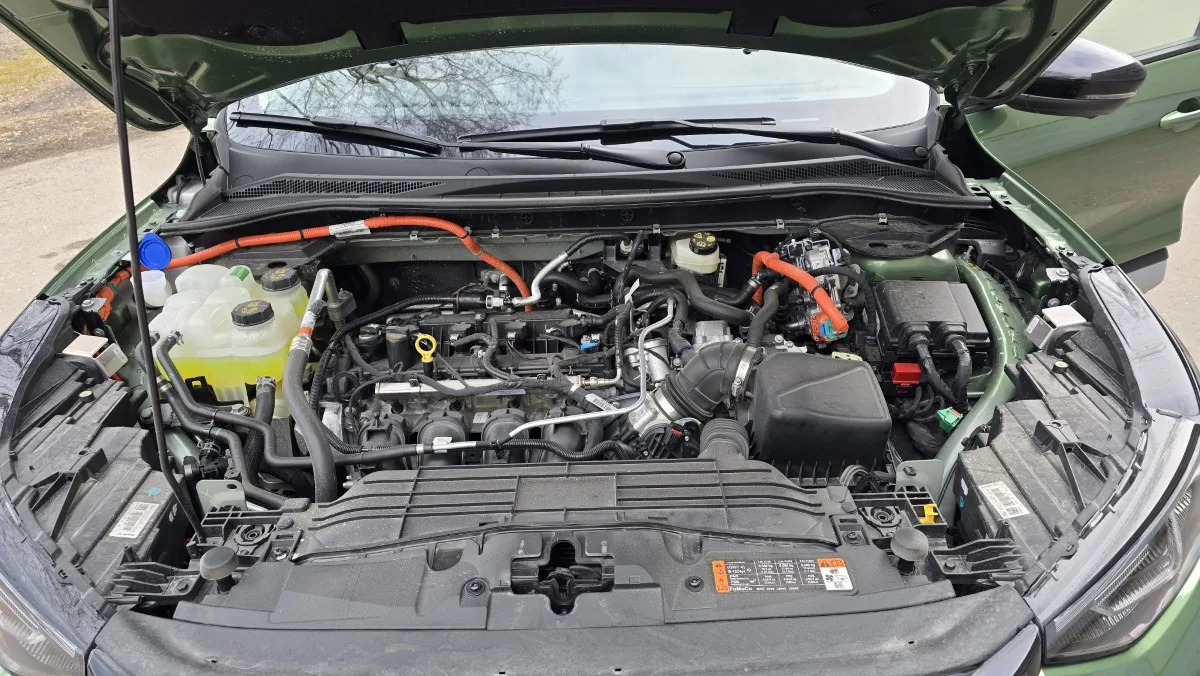
- 2.5-litre petrol + electric motor
- Power
- 135 kW (183 hp)
- Consumption
- 5.7–5.8 l/100 km (WLTP); 6.36 l/100 km (tested)
- Drivetrain
- Four-wheel drive
- 0–100 km/h
- 8.3 s
- Top Speed
- 196 km/h
- Seats
- 5
- Price
- from €43,400
Test drive and text: Juha Remes
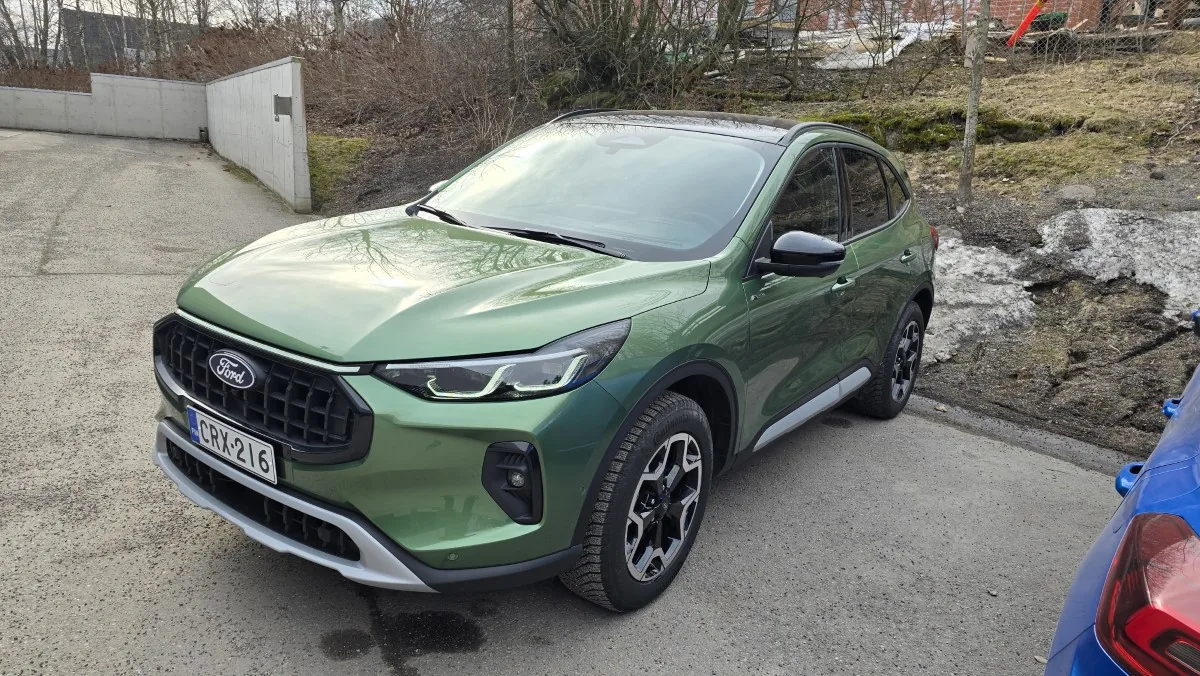
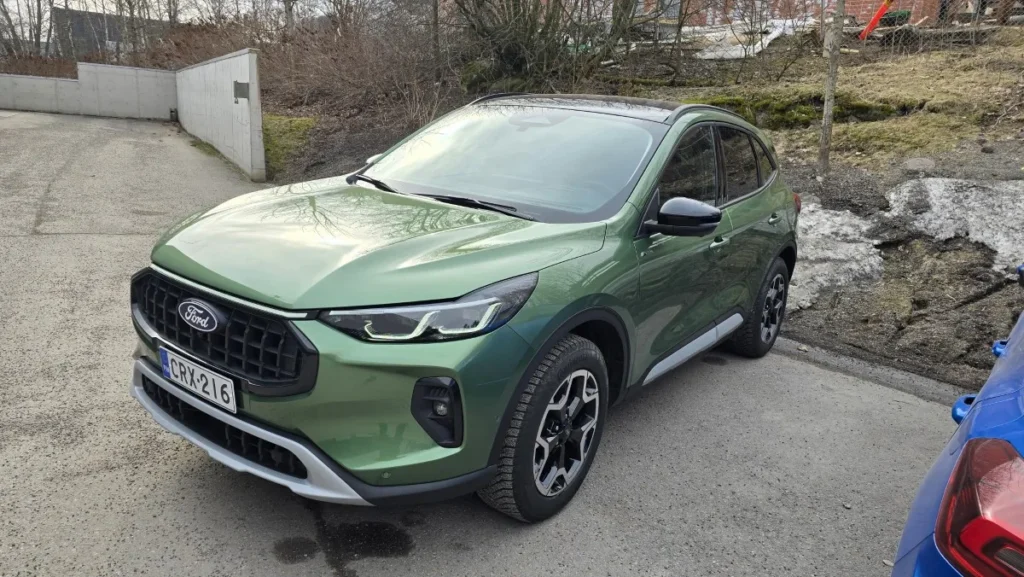
I spent time behind the wheel of the 2024-model Ford Kuga Active X Hybrid. It’s a handsome machine for its class, clean inside, thoroughly equipped. Everything you’d sensibly need for European driving, and then some.
Settling In
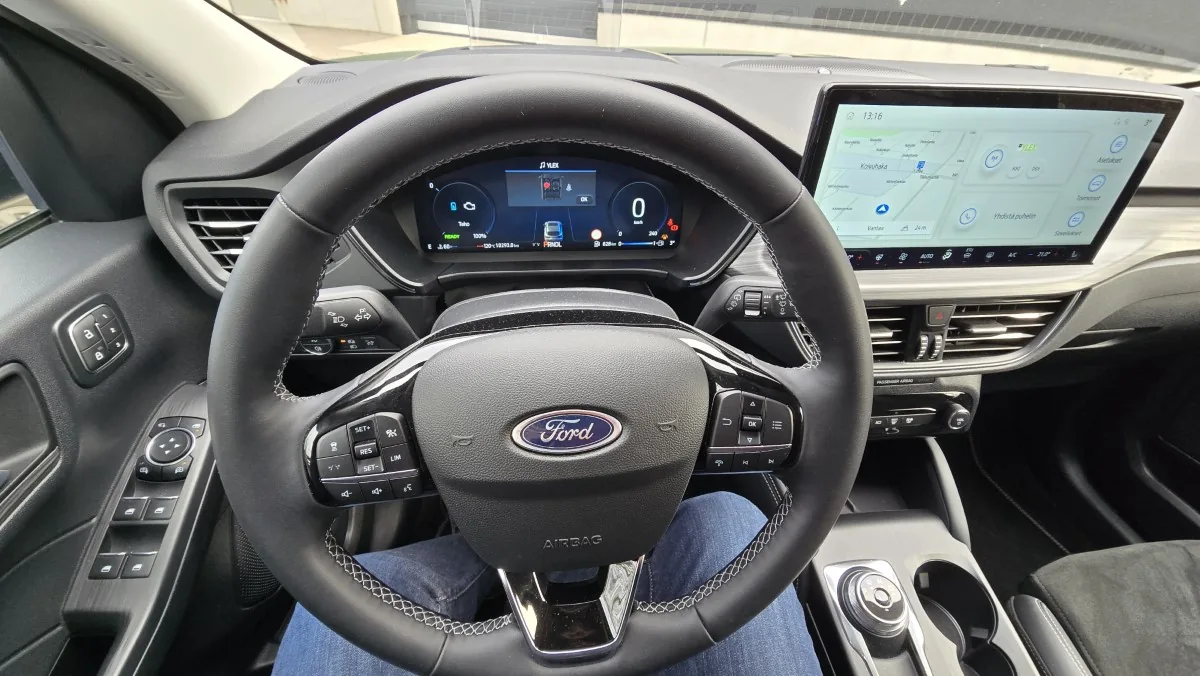
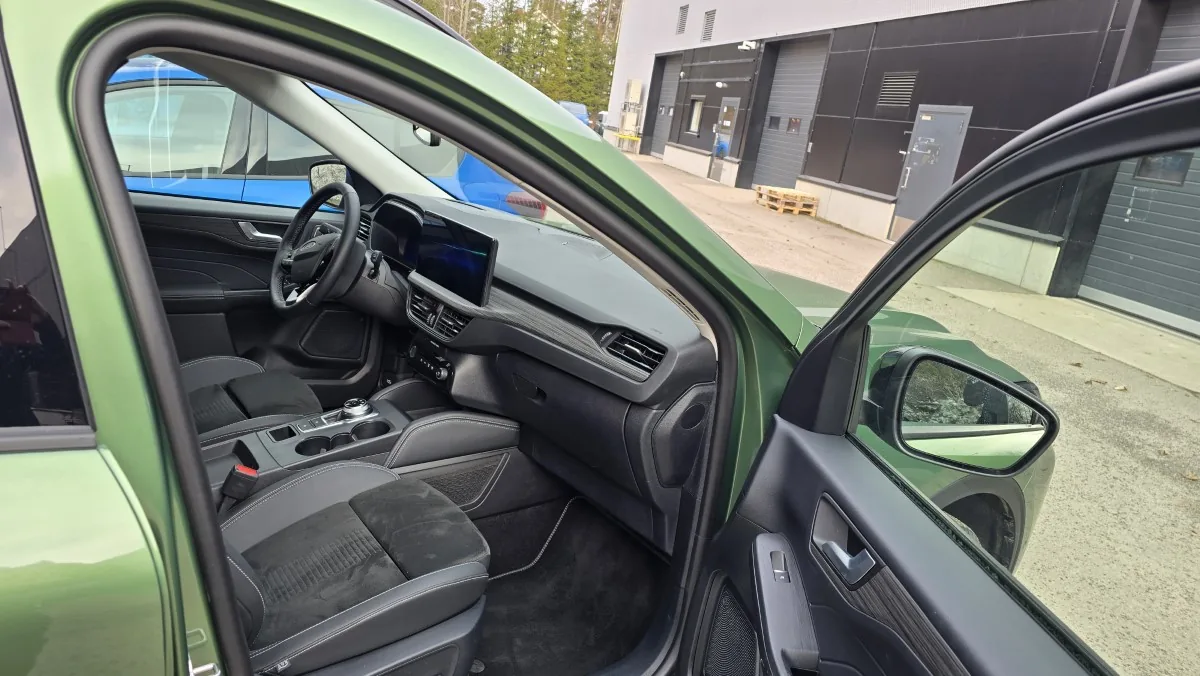
The moment I sat down, the controls fell naturally to hand. The main functions live on traditional switches and levers—you’ll find them without thinking. The trip computer displays a wealth of customisation options if you dig into the menus.
I would, however, have preferred seat and steering-wheel heating as proper buttons rather than screen toggles. Removing your gloves in winter to poke at a touchscreen is unpleasant, and it shouldn’t be necessary.
The Displays
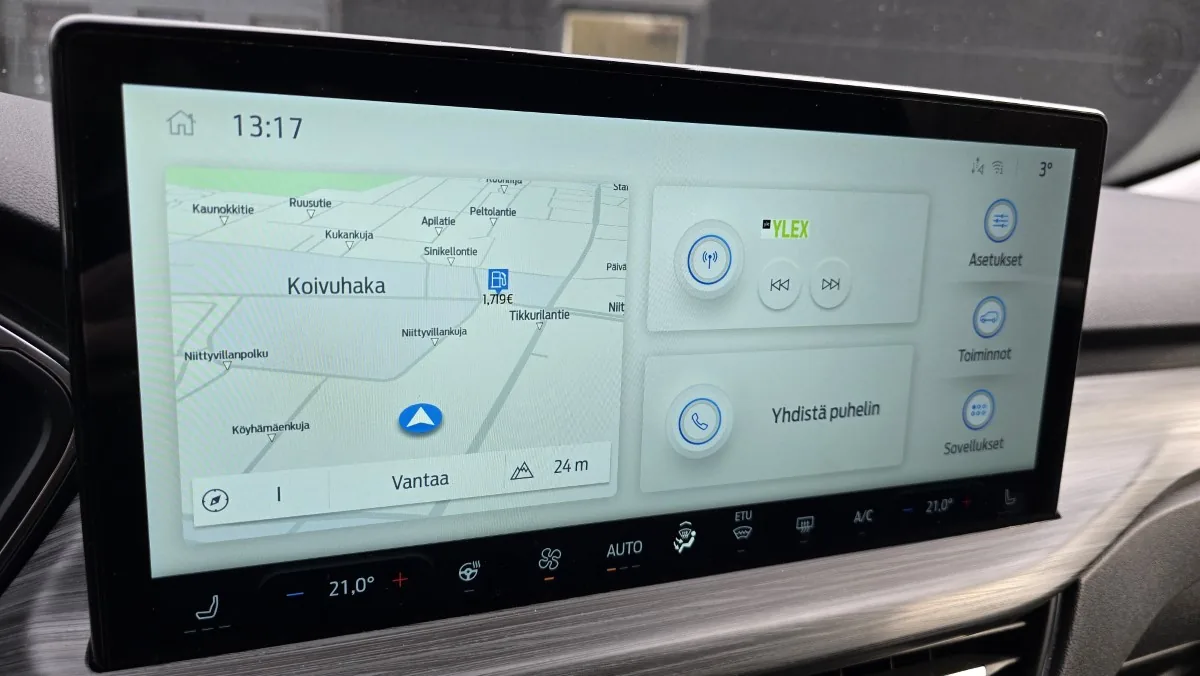
The 13.2-inch main screen is fair-sized and clearly laid out—easy to live with. It’s wider than you’d typically expect, though. If you sit deep in the driving seat, you’ll reach a bit to prod the far edge. That’s a minor complaint.
Media controls are intuitive. Radio sound is good. The satnav is equally straightforward, destination selection a breeze. I missed traffic-camera integration, which many manufacturers now include as standard.
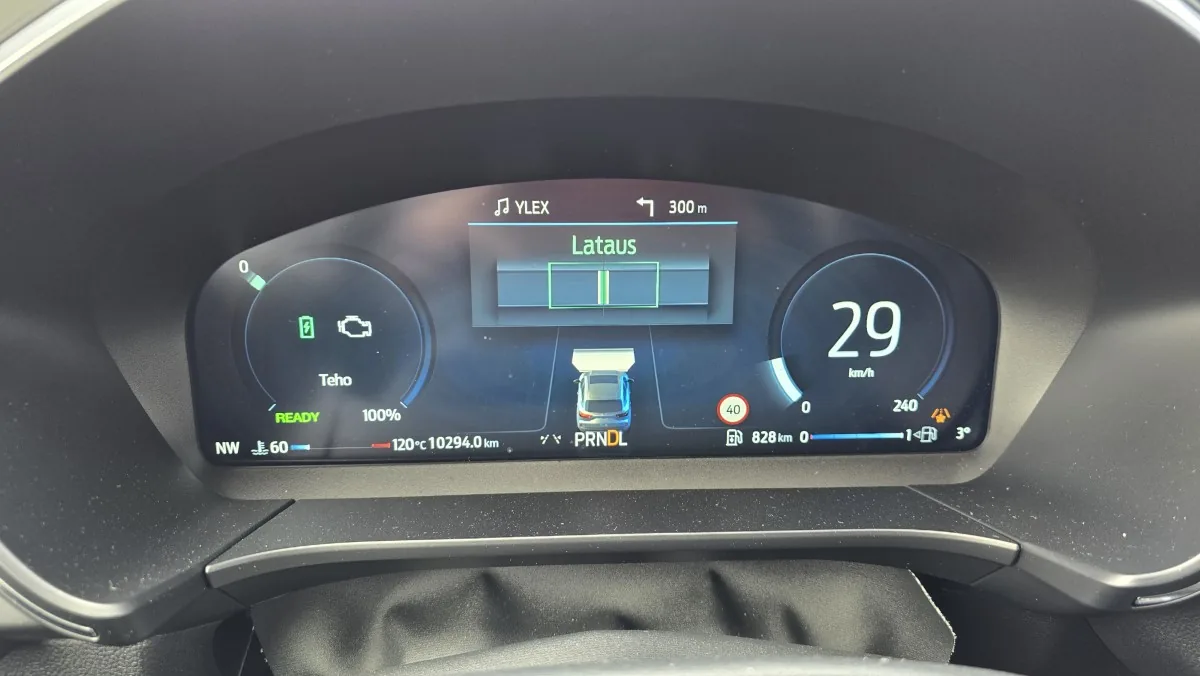
The instrument cluster reads well. What caught me out was the head-up display: instead of projecting onto the windscreen proper, it uses a small plexiglass panel mounted above the dash. Noble idea, but the screen felt too cramped for the volume of information it needed to display. You might adjust with time.
Seats and Interior Materials
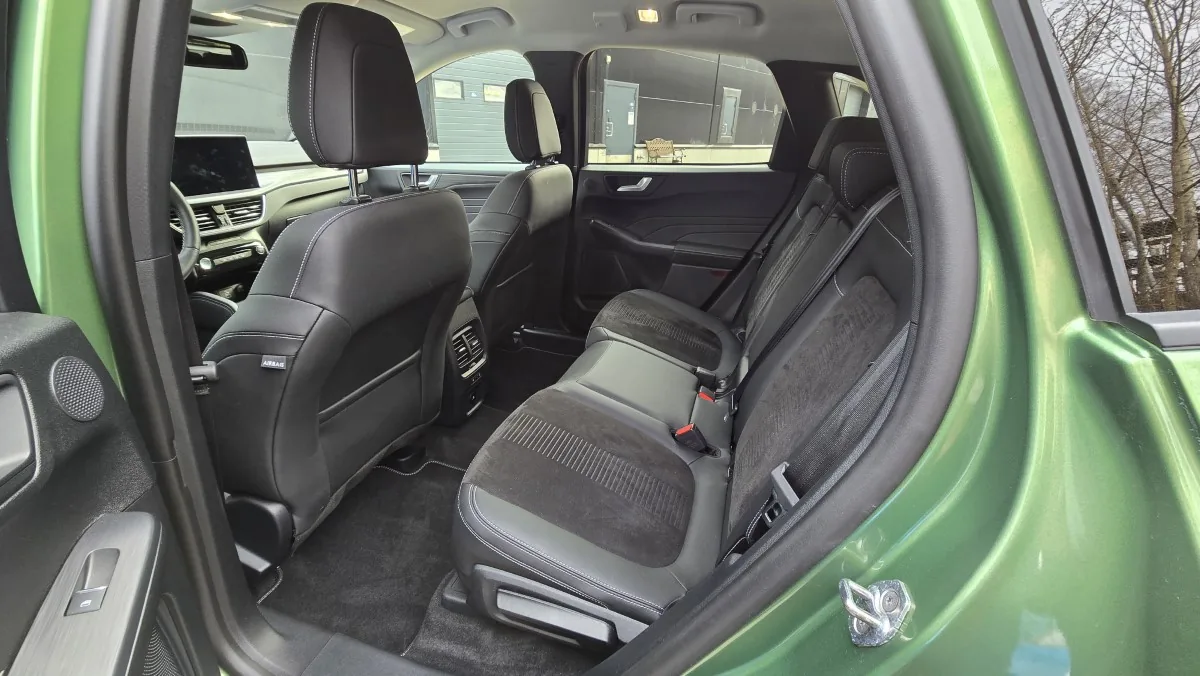
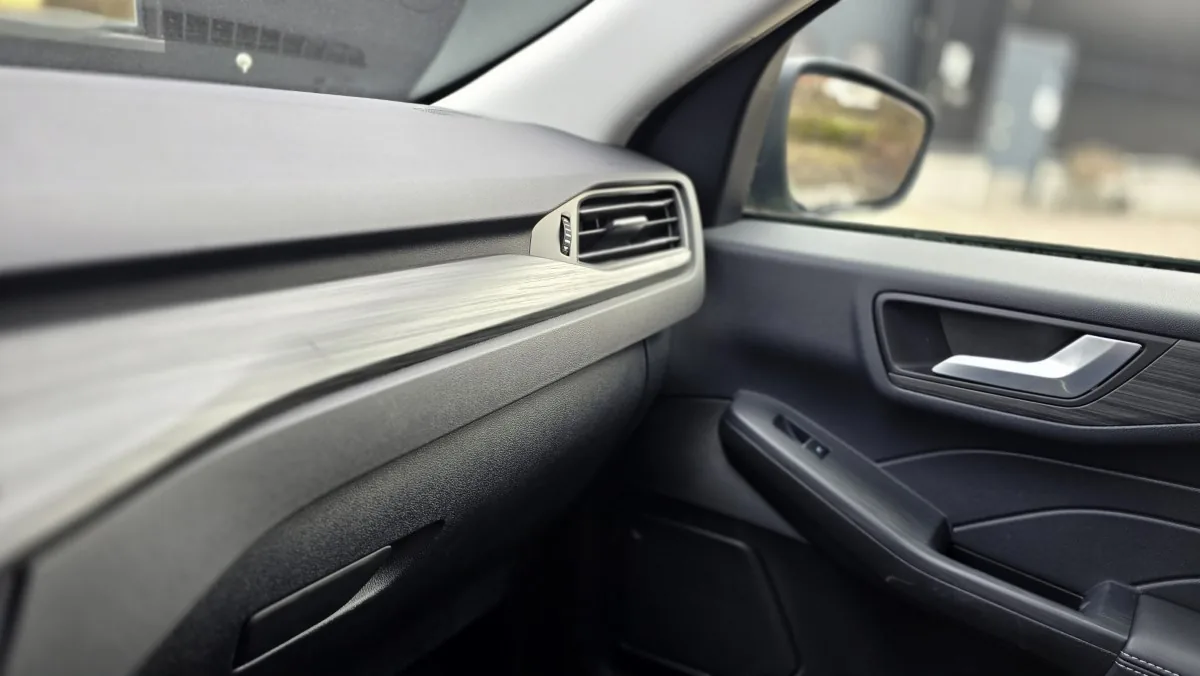
The test car wore grey suede upholstery, clean and purposeful in design, with silver-effect trim panels catching the light pleasantly. Suede is risk-prone to staining—a concern if you carry pets or children’s muddy football kit.
Plastic quality is genuinely good throughout. Seat adjustment is comprehensive, and I’ll single out the height adjustment: smaller occupants often struggle here, but the Kuga’s range is generous. Our test car offered power adjustment for both driver and front passenger, which is generous at this price point.
The headrest impressed me—it’s fitted with a return spring that pulls the support back up when you don’t need it. Thigh support helps find a good position. The centre armrest, though, sat behind the seats, and there was no elbow support on the doors, which I’d have preferred.
Visibility and Space
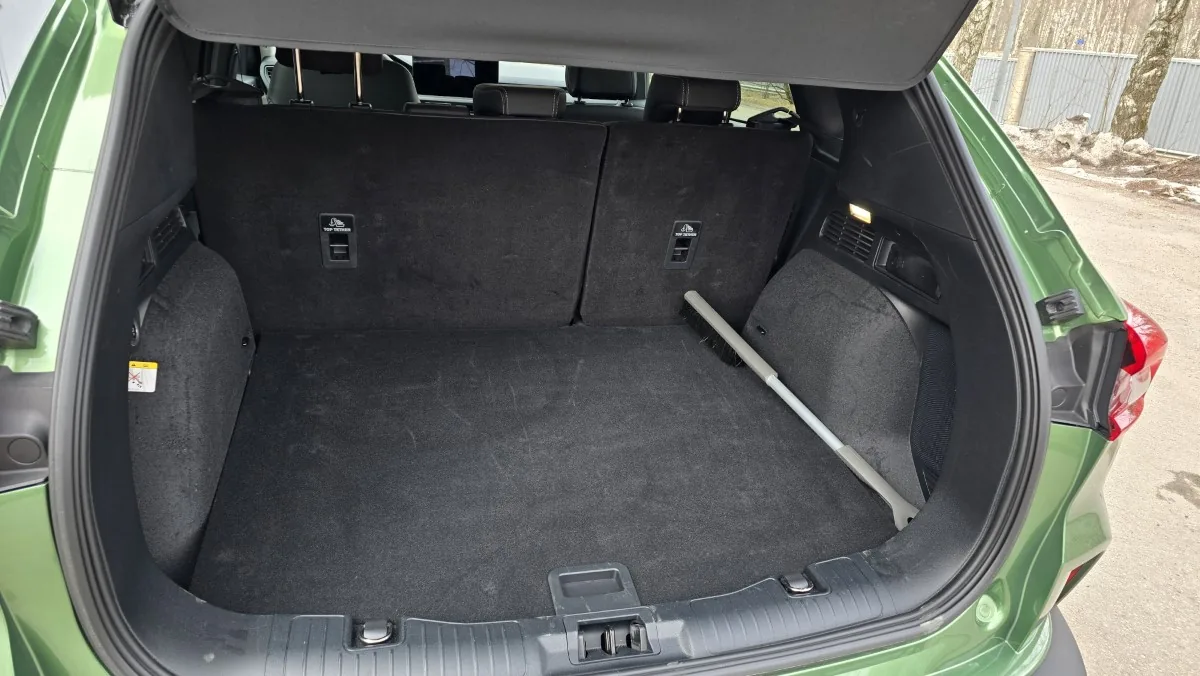
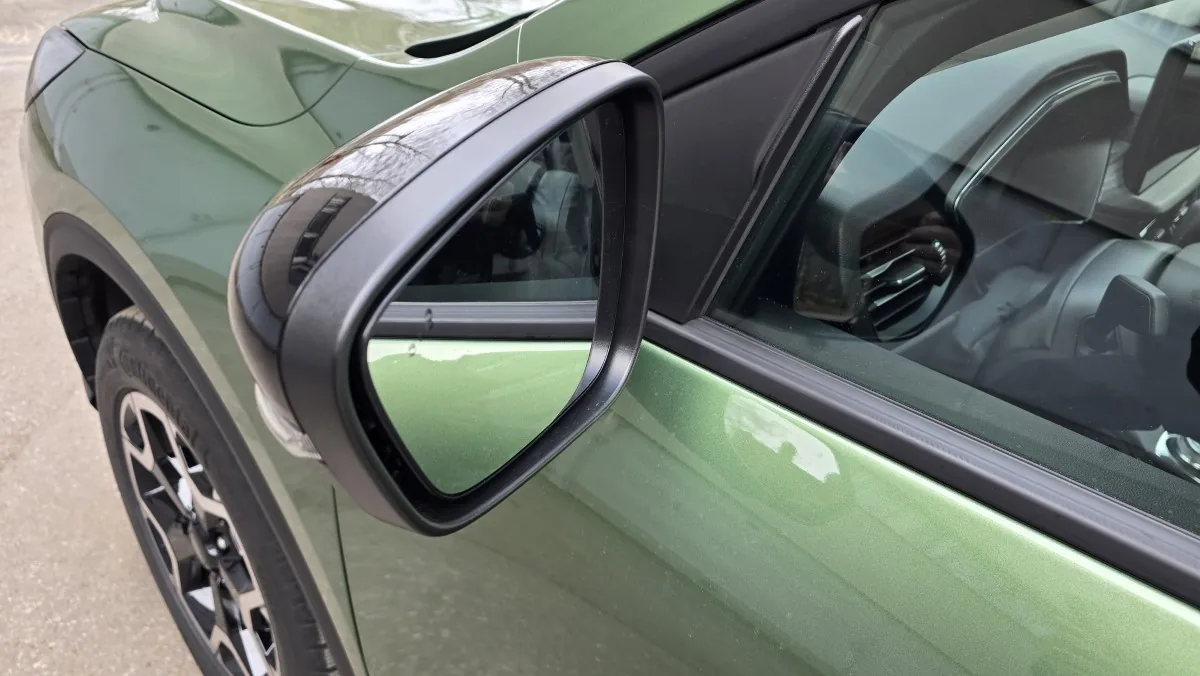
Sightlines are good in all directions. Mirrors give adequate rear visibility. When reversing, the camera feed on the main screen is clear. Interior space is adequate. With the rear seats configured to fold, you can carry a decent amount of luggage—we tested 150 cm folding cupboards and they slid in without fuss. Loading height is sensible, the tailgate aperture generous. Drop the seats flat and you’ll fit a couple of hockey bags without shifting anything.
Equipment and Price
Entry price sits at €43,400. The range includes a 1.5-litre EcoBoost petrol (110 kW / 150 hp), a 2.5-litre plug-in hybrid (172 kW / 234 hp), a 2.5-litre full hybrid (133 kW / 180 hp), and our test car: a 2.5-litre full hybrid with 135 kW (183 hp) and all-wheel drive.
Base equipment is genuinely comprehensive:
- Ford SYNC 4 infotainment
- B&O audio system: 10 speakers plus subwoofer
- Automatic windscreen wipers with rain sensor
- Reverse camera and parking sensors with 360-degree surround view
- Keyless entry and start
- Dual-zone automatic climate control
- 12-way power front seats
- LED ambient cabin lighting
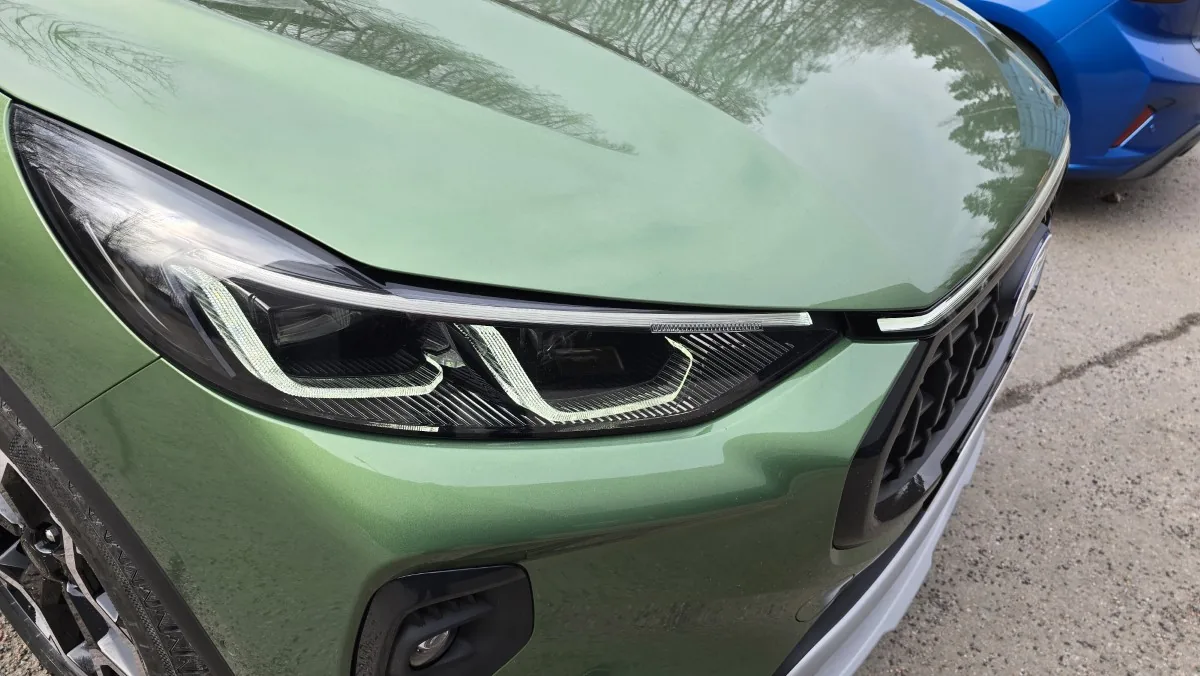
- LED headlights with automatic high beam
- LED front fog lamps
- Heated windscreen
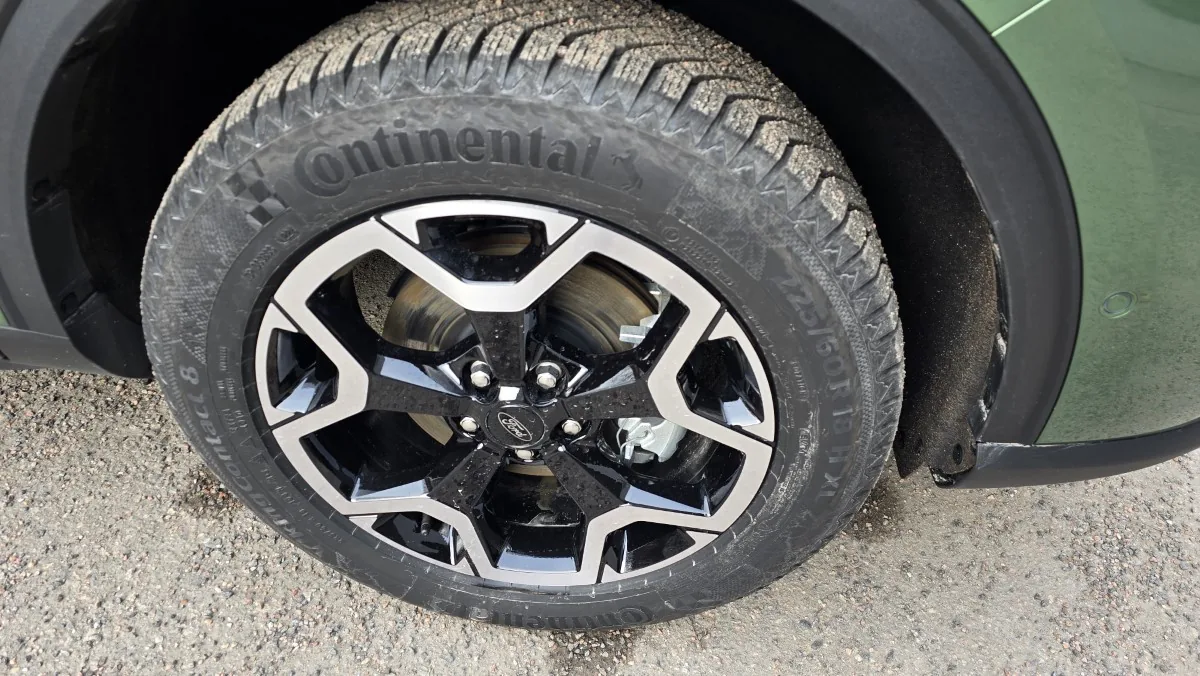
- 18-inch alloy wheels
- Active suspension
Optional packages on the test car included the Tech Pack (€1,900), Winter Pack with heated rear seats and steering wheel (€300), and a folding tow hook (€1,100). Altogether, with tax, the test car came to €52,797. Fair value, I’d say.
The Engine and What It Delivers
Performance is more than adequate for European traffic. You get 320 Nm of torque from the electric motor and 200 Nm from the petrol engine—plenty for the job. Combined, they produce 8.3 seconds to 100 km/h and a 196 km/h top speed. Overtaking on the motorway is easy; the car sits happily in any traffic situation.
Driving the Car
I drove the Kuga as I always do—no handbook, no instructions—letting the logic of the design speak for itself. Everything made sense immediately. Traditional controls are, well, traditional: they work as you’d expect. I was moving confidently within minutes. Entering a destination into the satnav on the move was equally straightforward, even first time round.
Our test took place in spring conditions—no snow or ice, as you’d normally see in March. The car wore all-season tyres, and whilst they’re suited to year-round European use, they weren’t ideal for a warm spring drive. They generated more tyre noise than summer rubber would. That said, the media system is good enough to mask road noise with music, and overall, there’s little background din to distract you whether on motorway or rough track.
Over 448 kilometres of varied driving—conventional A-roads, motorway, city traffic, and rough dirt roads—the average fuel consumption came in at 6.36 litres per 100 kilometres. Ford claims 5.7 to 5.8 litres per 100 kilometres. Half a litre higher than official figures is typical real-world variance. The Kuga’s handling of mixed duty is, in my view, honest.
Handling and Dynamics
The turning circle is tight for the size. Even in tight car parks or narrow streets, it’s surprisingly agile. Steering is firm—it asks more effort than average—but never feels tiring. It’s responsive, giving good road feedback in all conditions. Suspension is equally firm and dealt well with potholes and rough surfaces, maintaining grip without sacrificing composure.
Brakes are effective. There’s a slight delay when you floor the accelerator, something you’ll notice but quickly forget—no distraction, just a hybrid characteristic. Cruise control and the adaptive lane-keep function are well-tuned. The lane-keep, though, centres the car a touch aggressively; it prefers you dead-centre in the lane.
Driver-Assistance Systems: The Friction Points
This is where I found some friction. The driver-attention warning constantly reminded me to take a break and watch my alertness levels. Fair enough in principle. But the lane-keep paired with a hands-on-wheel alert that demands you grip at the 3–9 o’clock position. I prefer 10–2, or one hand lower on the rim—natural, comfortable, safe. The car disapproved. With the centre console set too far back for comfortable forearm support, this forced me to shift position repeatedly.
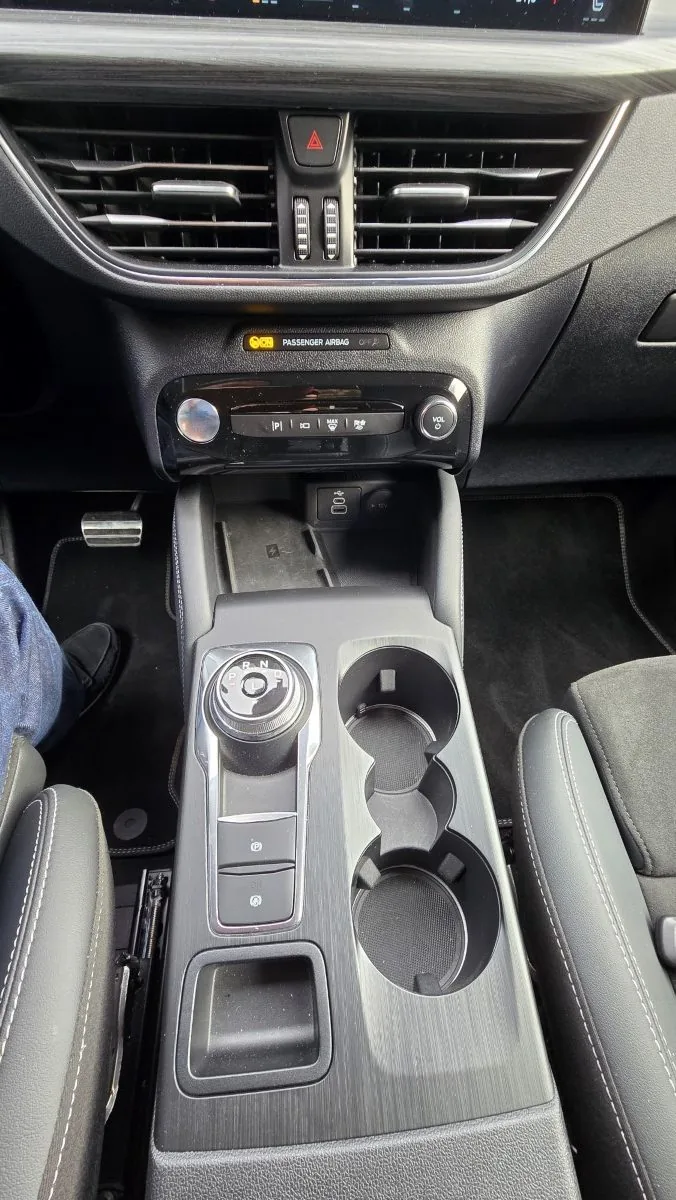
Automatic high beam works well in darkness. So does the general suite of safety aids. But the ambient lighting under the cup holders in the centre console puzzles me—it’s bright enough to be distracting in pitch darkness, and it sits partly in your field of vision during night driving. You can probably disable it through the infotainment menu, but its placement and intensity make you wonder if anyone tested this with the lights off.
The Verdict
Overall, the Kuga is a genuinely positive experience. Visibility is excellent, equipment is thorough, and it makes driving and travelling comfortable—the things that matter to families choosing a practical crossover.
Price and specification hit the sweet spot. Fuel consumption is reasonable. Space is generous. And four-wheel drive gives you confidence in variable European weather and road conditions.
The obvious caveat: it’s a large vehicle, and not every car park accommodates it easily.
The car carries a five-year, 100,000 km factory warranty.
Specifications: Ford Kuga Hybrid Active X 183 kW (135 hp) AWD
- Engine: 2.5-litre petrol + electric motor (combined 135 kW / 183 hp)
- Torque: Petrol 200 Nm, electric 320 Nm
- Acceleration: 0–100 km/h in 8.3 seconds; top speed 196 km/h
- Declared combined fuel consumption: 5.7–5.8 litres per 100 km
- CO₂ emissions: 130–133 g/km
- Fuel tank: 54 litres
- Kerb weight: 1,765 kg
- Boot space: 420–628 litres (seats folded)
- Drive: Four-wheel drive
- Wheelbase: 2,711 mm
- Dimensions: 4,604 mm long × 1,882 mm wide × 1,681 mm tall
- Ground clearance: 170 mm
- Towing capacity: 2,100 kg
- Starting price: €43,400
- Test car equipment: €3,300 additional options
- Test car total price: €52,797
Juha Remes.
What’s the combined power output of the Ford Kuga Hybrid?
What fuel consumption did you achieve during testing?
How much boot space is available?
What equipment comes as standard on the base model?
Is the steering effort noticeable?