- Engine
- Electric
- Power
- 150 kW (204 hp)
- Range
- 605 km (WLTP)
- Consumption
- 14.9–16.2 kWh/100 km
- Drivetrain
- Front-wheel drive
- 0–100 km/h
- 7.7–7.9 s
- Top Speed
- 170 km/h
- Battery
- 81.4 kWh (76 kWh usable)
- Seats
- 5
Test drive and text: Antti Järveläinen
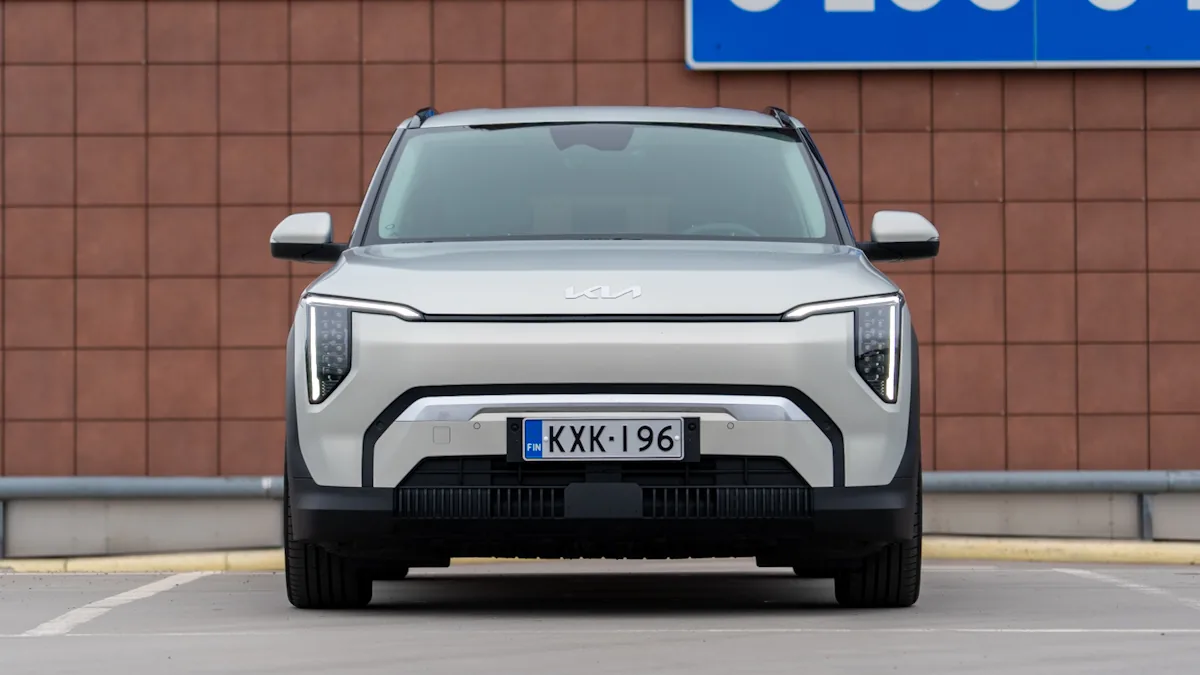
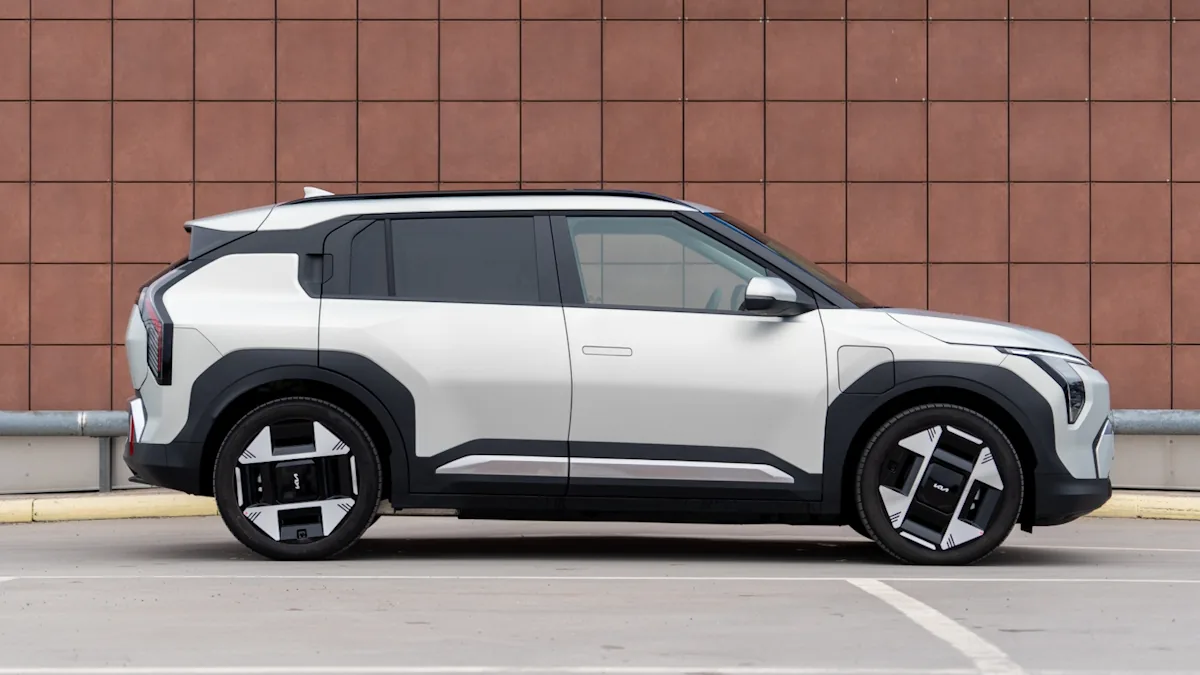
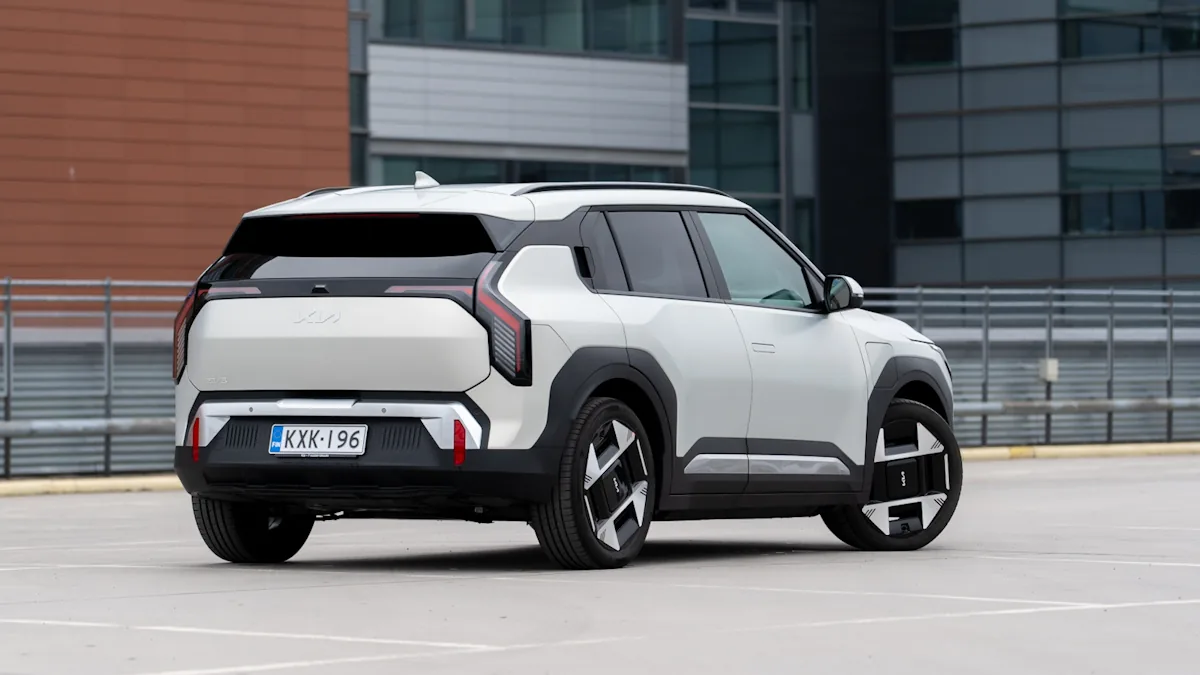
The Kia EV3 stands apart in the electric car sector. Winner of European Car of the Year 2025, the EV3’s design carries genuine personality without being ostentatious, striking a balance between bold and refined. Measuring just 4.3 metres in length, it disguises surprisingly generous interior space, whilst a turning radius of just over five metres makes it exceptionally nimble in town.
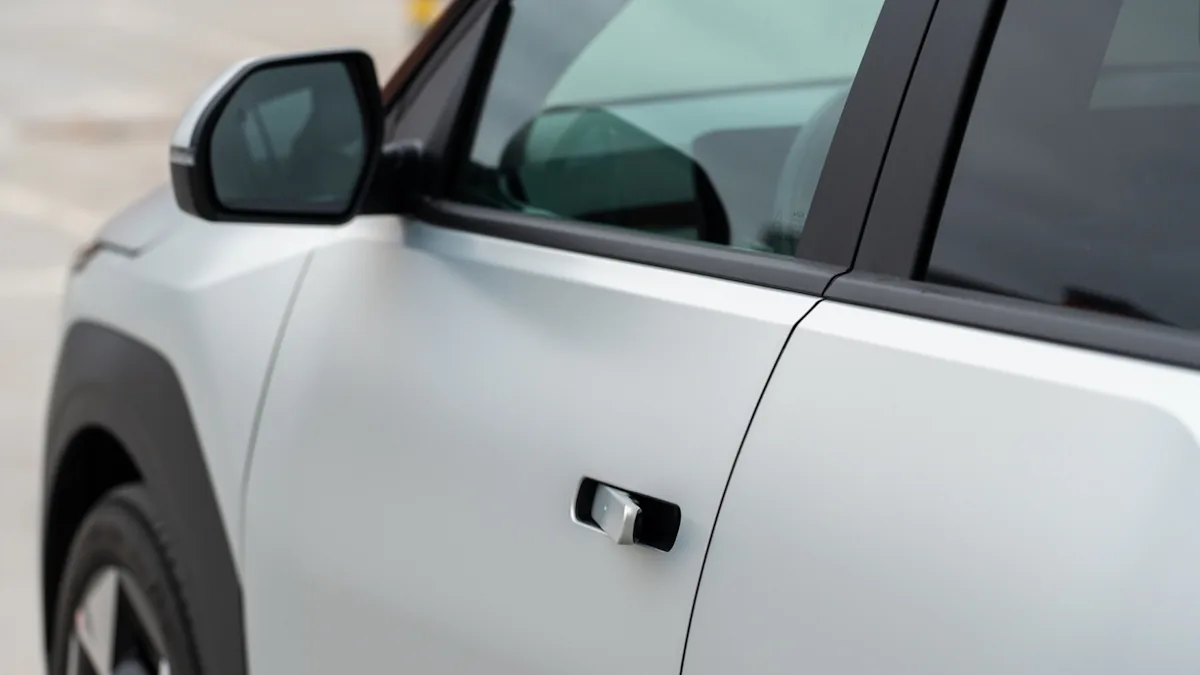
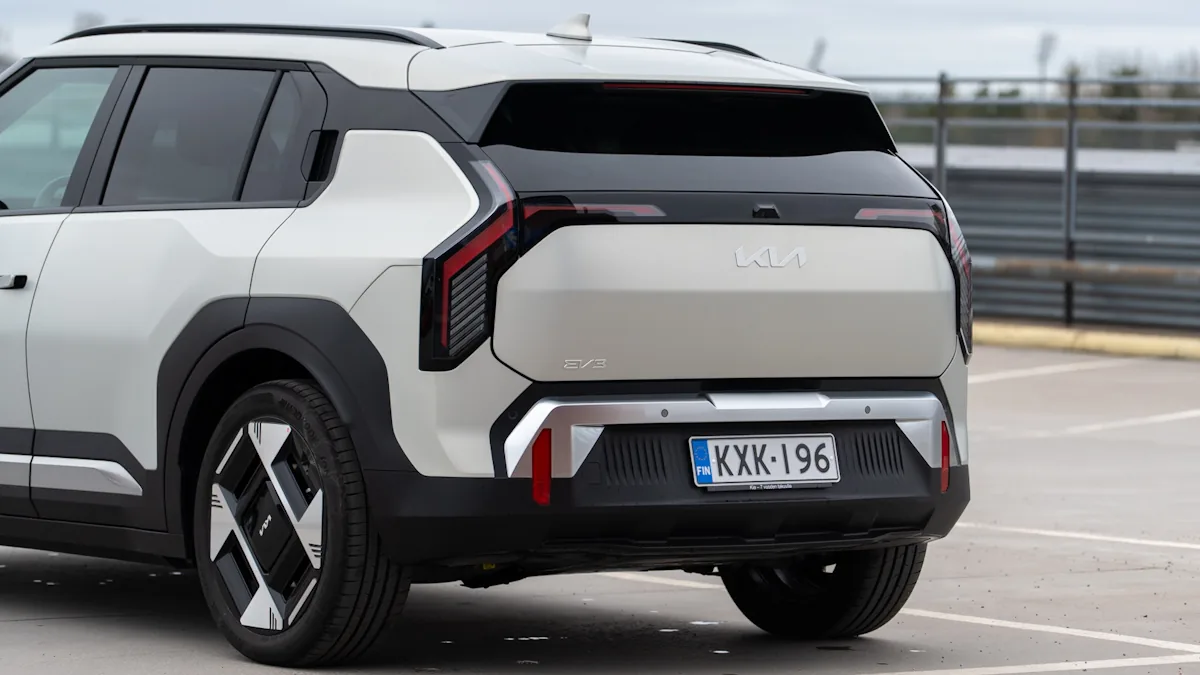
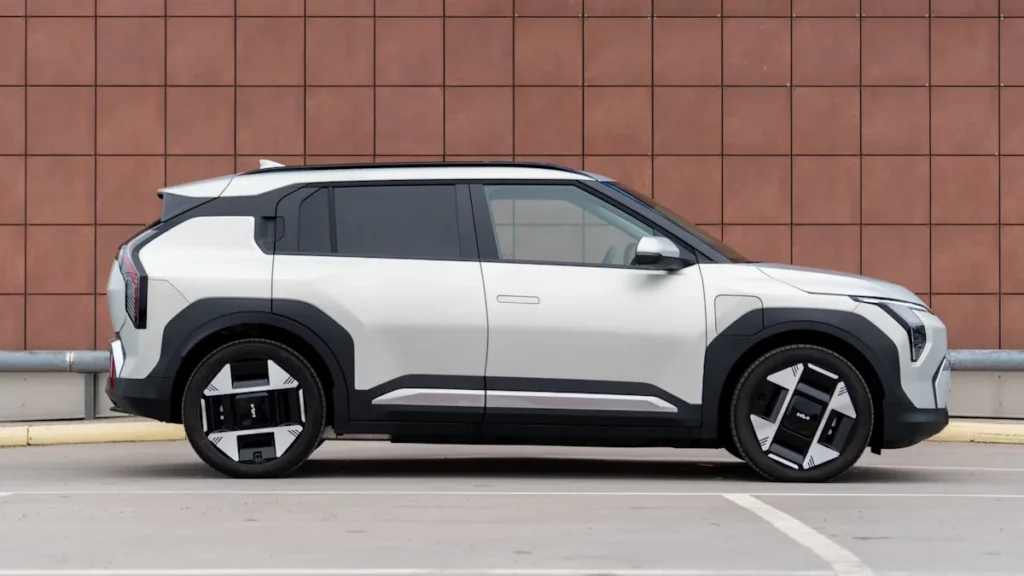
Angular lines and a raised window beltline give the EV3 a distinctive and immediately recognisable profile. The front end reads modern and clean, whilst side-on the short overhangs and large doors suggest a spacious cabin. Wide rear lights showcase Kia’s contemporary design language—confident and unafraid to stand out.
Urban agility
The EV3 won’t impress with its 7.7-second sprint to 100 km/h. Instead, the driving experience rests on practicality, straightforward spacious interiors and effortless everyday driveability. The chassis exhibits occasional softness, but the ride is generally taut and composed. This becomes noticeable on poorly surfaced roads.
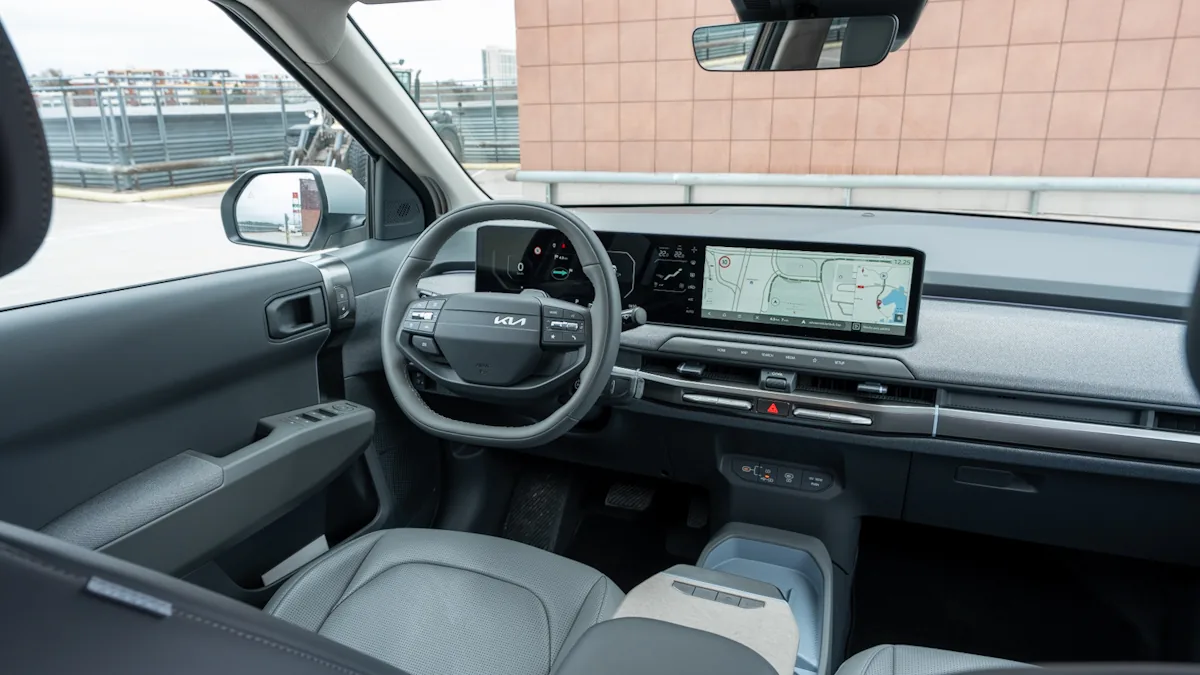
Beyond the tight turning radius, single-pedal driving makes urban driving stress-free. Regeneration strength adjusts easily via steering wheel paddles, with multiple levels available, or can be switched off entirely. The steering itself lacks feel and comes across as electronically filtered, whilst the cold, slippery steering wheel does nothing to improve matters. By contrast, the steering wheel buttons and cabin controls are large, clear and intuitive.
Reliable charging
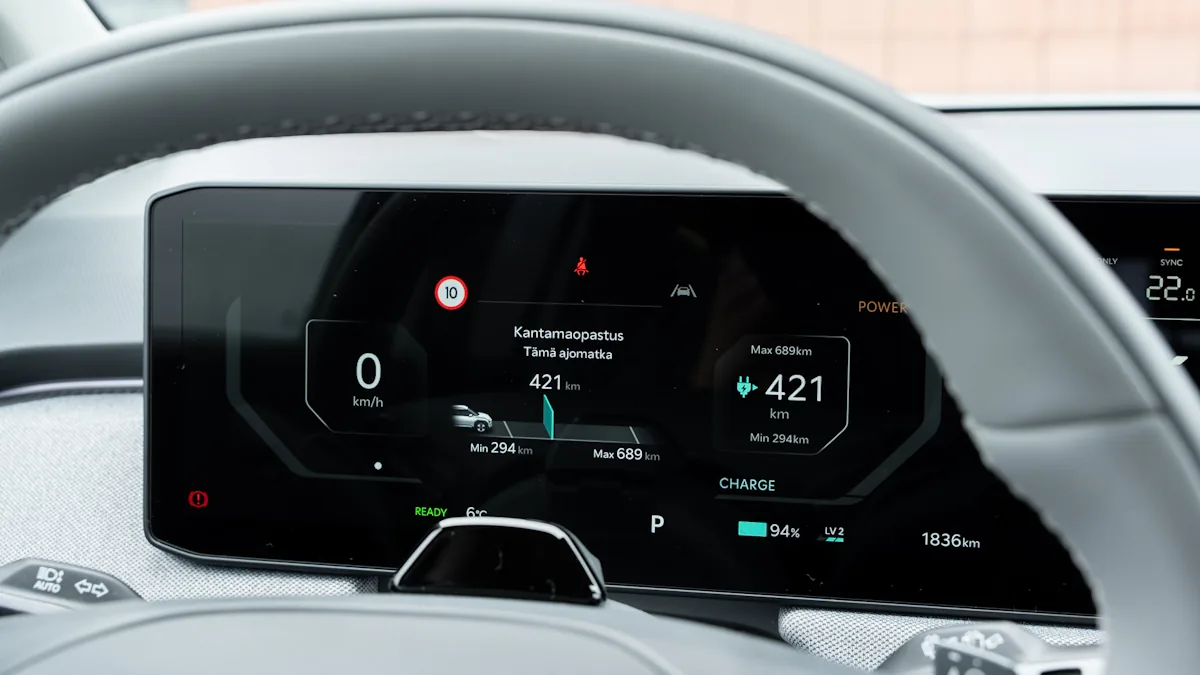
In mixed driving, energy consumption settled around 19 kWh/100 km, with temperature swings between 5 and 15 degrees Celsius having minimal impact on figures. The battery can be preheated via a button or by routing navigation to a charge point.
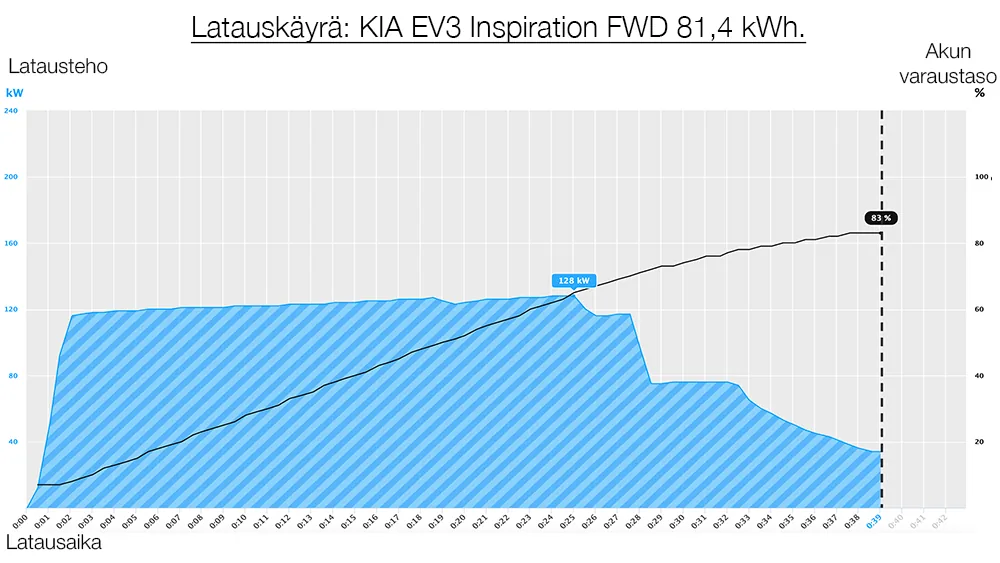
With its 400-volt architecture, the EV3 delivers a flat charging curve over a long stretch. Compared to the EV9’s larger sibling (based on 800-volt architecture), the EV3’s charging profile proves strikingly similar.
During charging tests, the curve held impressively close to peak power up to around 70 percent, whereupon output dropped in steps. Test-drive efficiency yielded just over 400 kilometres per charge.
The 128 kW peak charging rate won’t turn heads on a spreadsheet, but the flat curve ensures charging efficiency remained solid. Against the claimed 31-minute rapid-charge time (10–80 percent state of charge), the EV3 came within four minutes.
Space and practicality
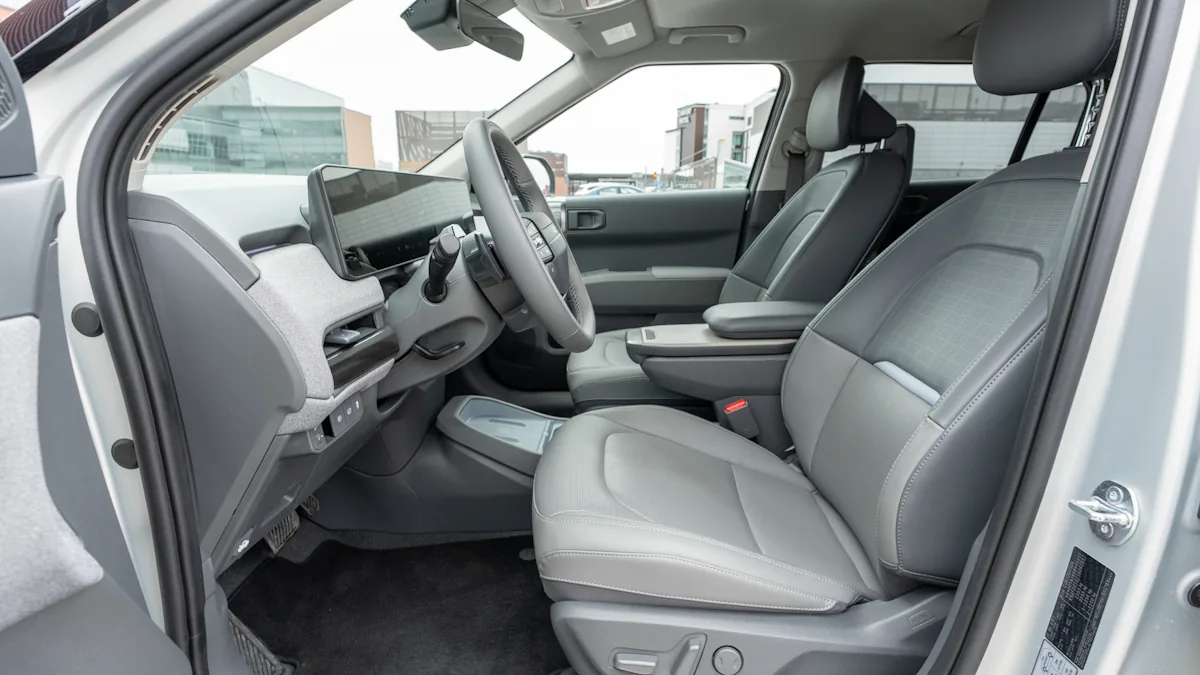
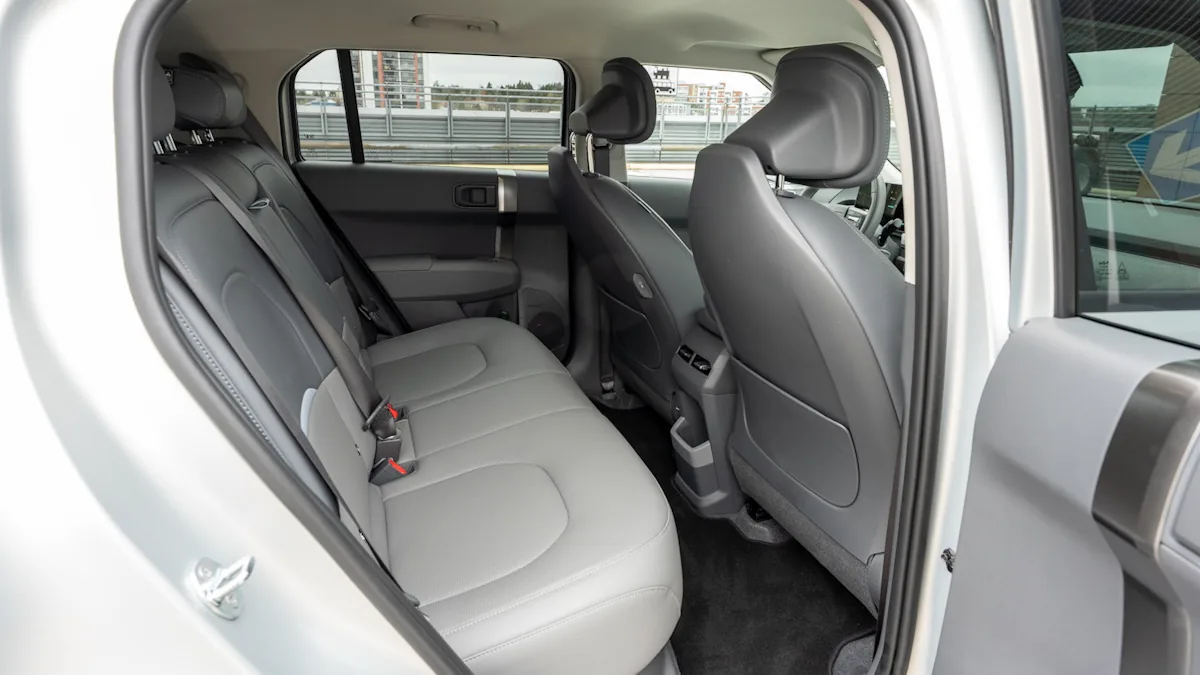
Aesthetics don’t deceive: the EV3 impresses genuinely with interior roominess. The cabin is spacious, and rear passengers enjoy uncommonly generous legroom in this class.
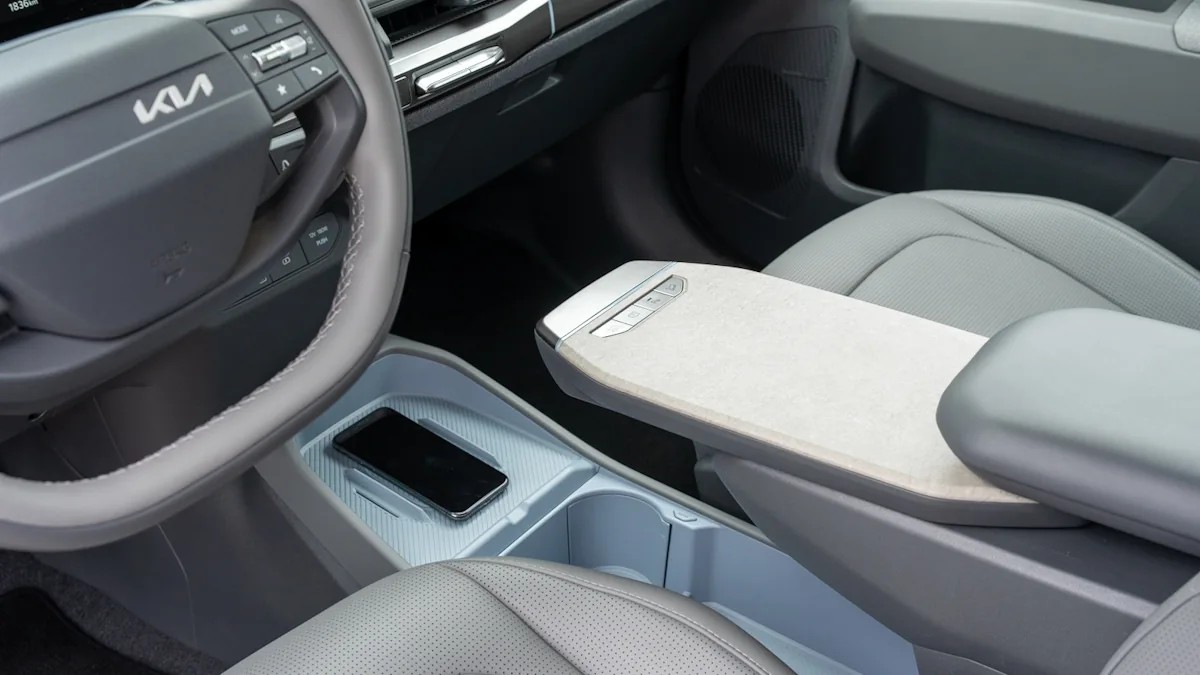
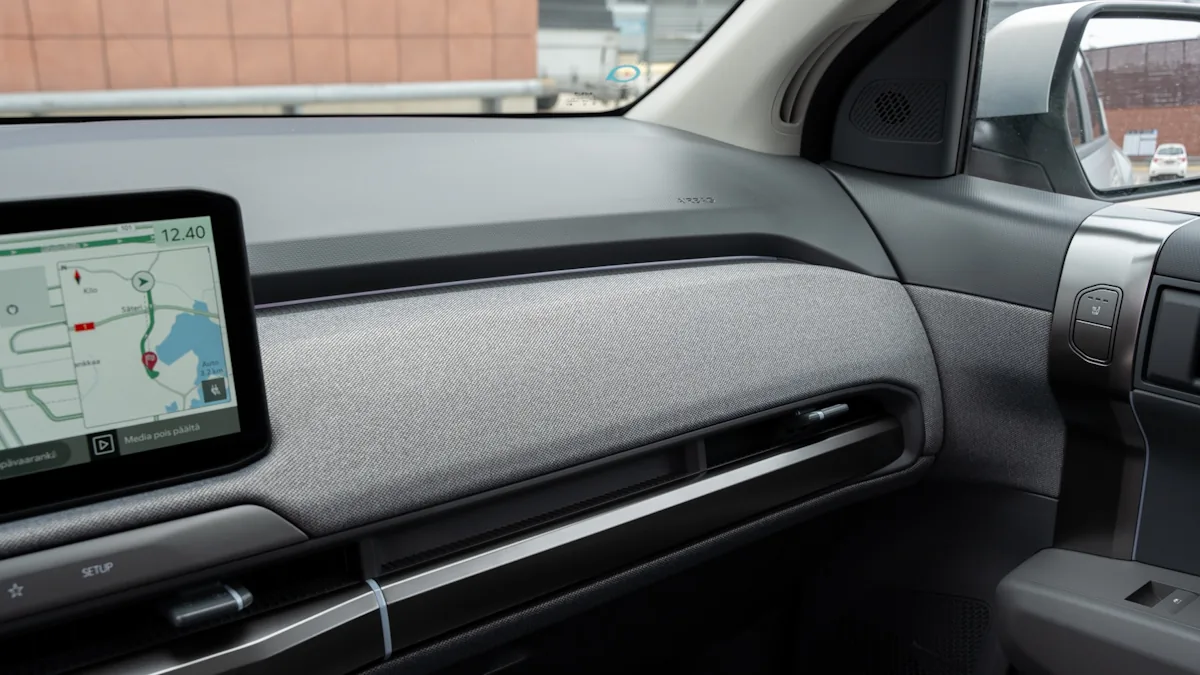
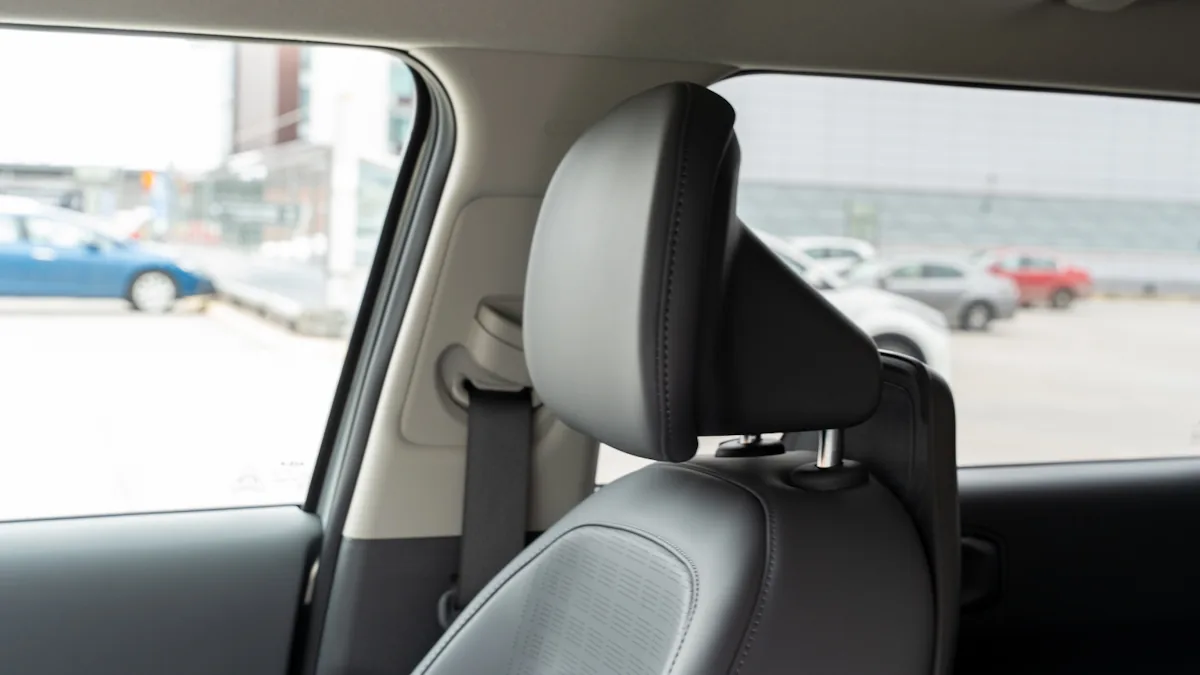
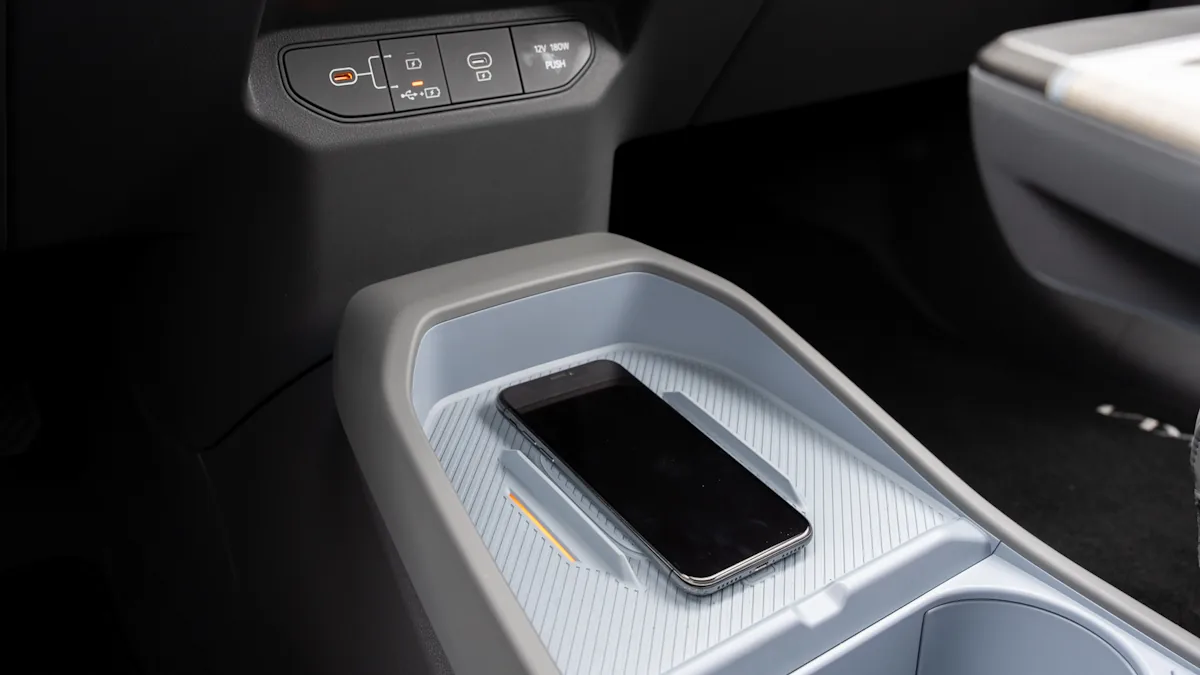
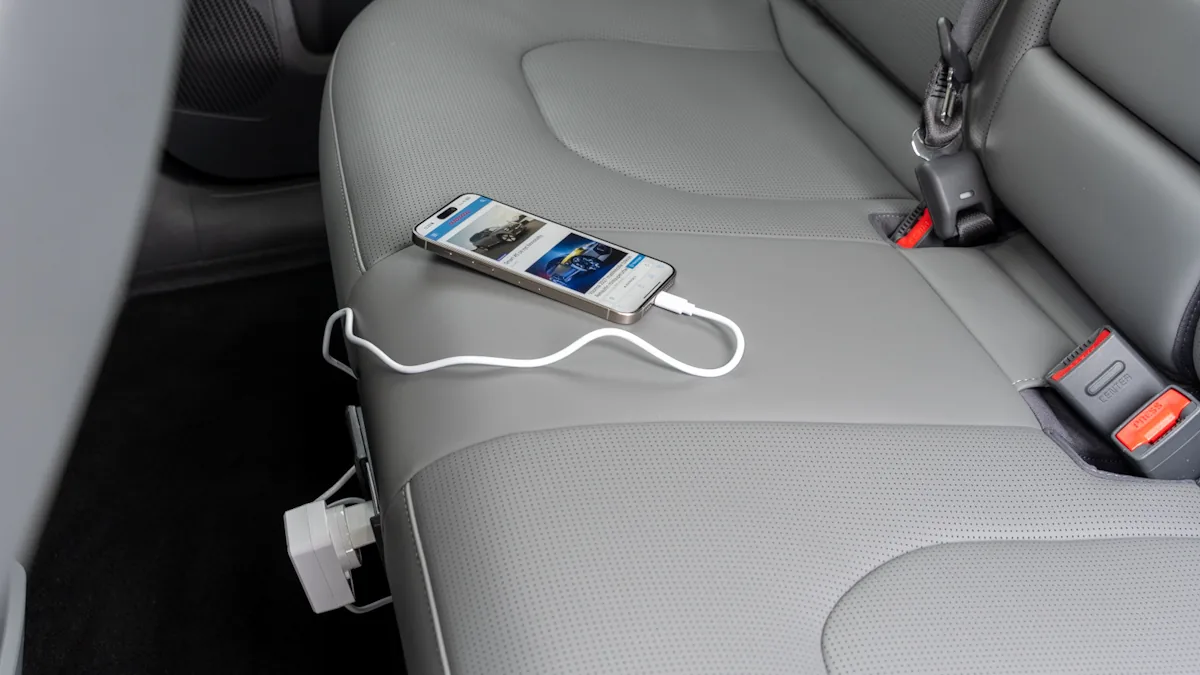
Rear comfort benefits from generous headroom, heated seats and a proper power socket in the centre. The high seat height and large doors make entry and exit straightforward. Up front, the seats are well sculpted and the synthetic leather trim is genuinely difficult to distinguish from genuine hide. The armrest encroaches slightly when reaching for items in the lower centre console—a minor ergonomic misstep. Another disappointment: the climate panel sits partially behind the steering wheel on the centre screen (matching the EV9 design). Hard plastic dominates the interior surfaces, which compromises cabin quietness. Wind and tyre roar climb noticeably at motorway speeds.
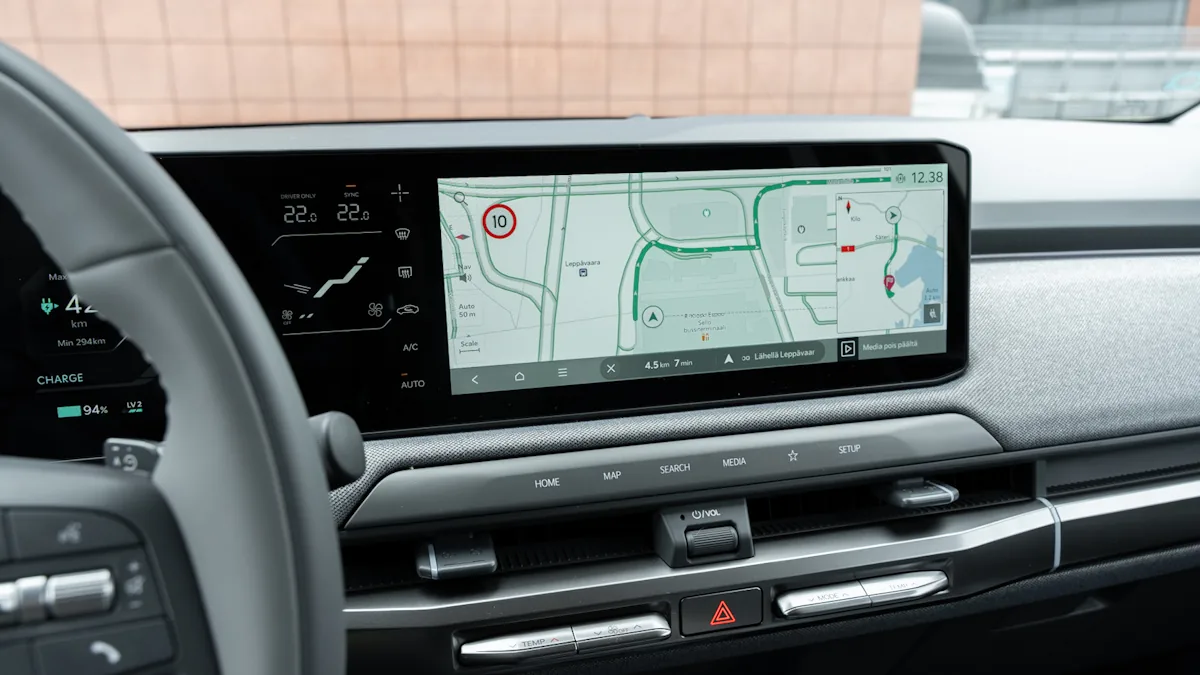
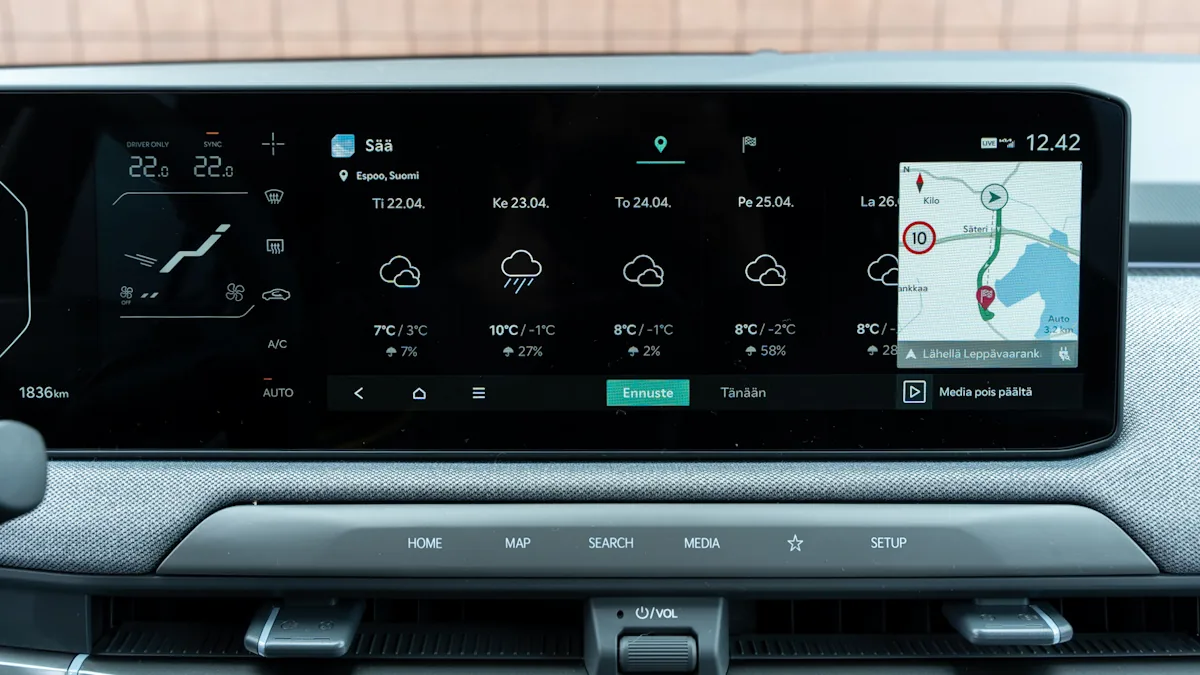
The instrument cluster and centre display are mostly clear with extensive menu options. Navigation could feel more contemporary and user-friendly, but the system sensibly factors in charging stops when plotting longer routes.
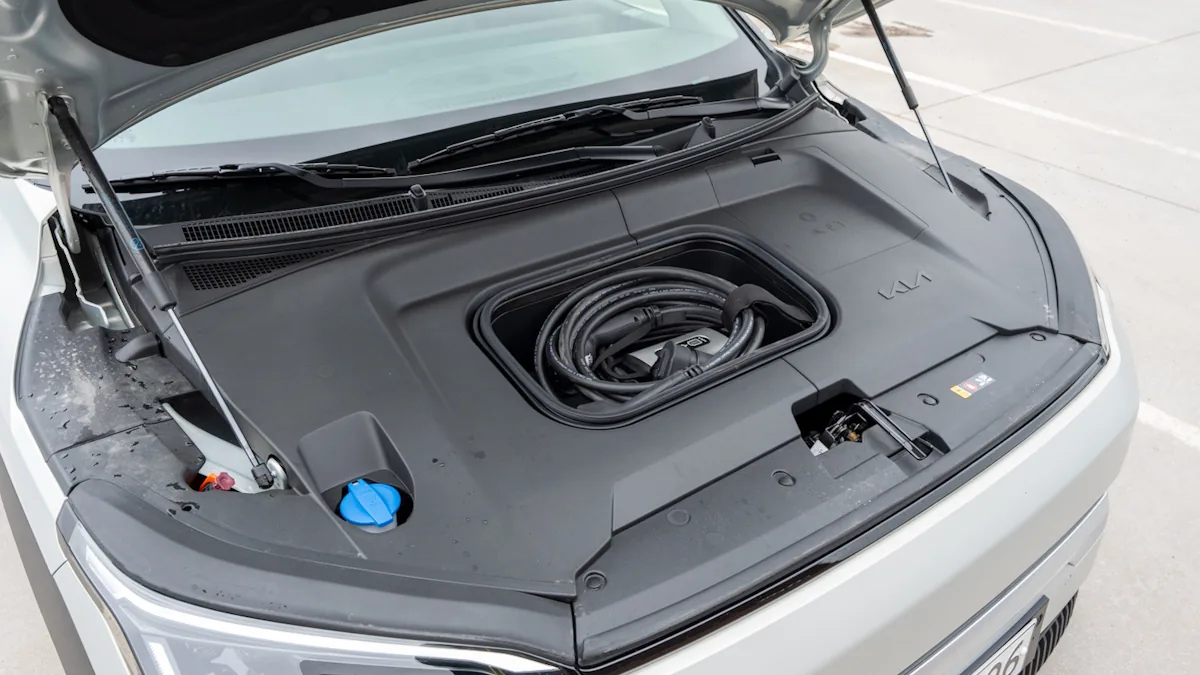
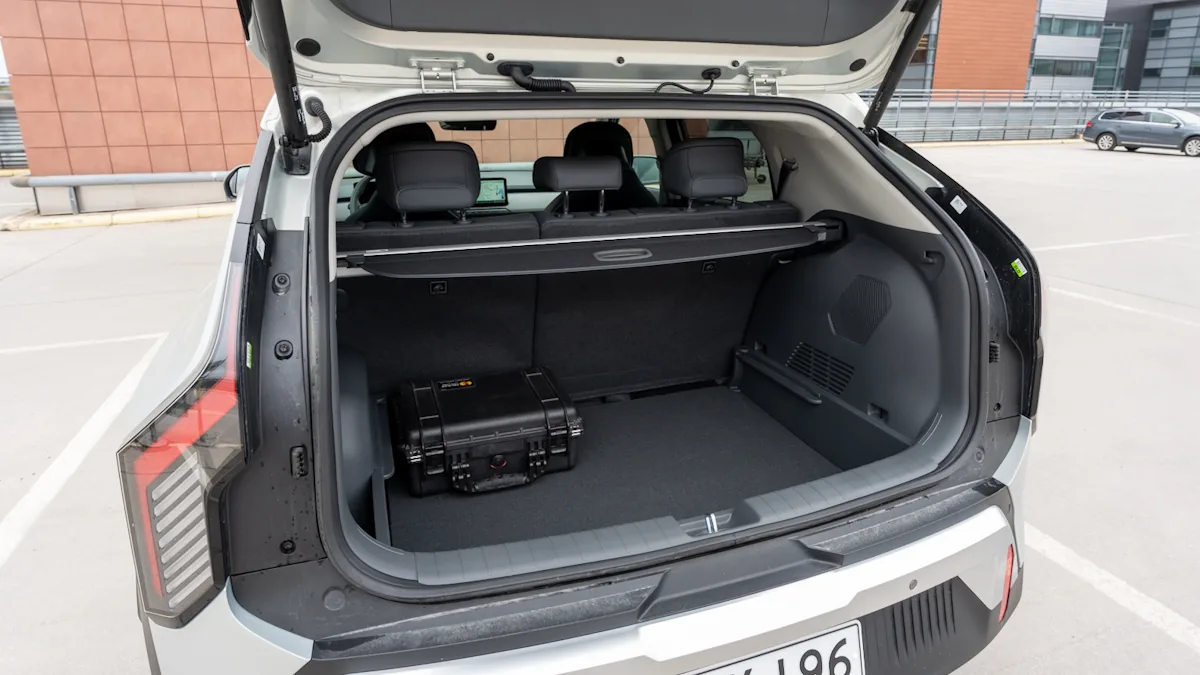
The boot is genuinely large—460 litres—and punches well above the EV3’s weight class. A 25-litre cavity under the bonnet houses charging cables neatly.
A compact city car that scales
Kia has executed the EV3 so competently across so many areas that minor shortcomings require genuine searching. At just above €37,000, it delivers exceptional value across diverse buyer profiles, whilst proving entirely capable on longer journeys.
Whilst refinement concedes ground in places, the EV3’s electric credentials lend it the practicality and capability of a considerably larger travel companion.
Kia EV3 Inspiration FWD 81.4 kWh
- Electric motor: 150 kW (204 hp)
- Torque: 283 Nm
- Acceleration (0–100 km/h): 7.7–7.9 seconds
- Battery capacity (gross): 81.4 kWh
- Manufacturer’s claimed combined consumption: 14.9–16.2 kWh/100 km
- Manufacturer’s claimed range (combined, WLTP): 605 km
- Test drive consumption: 17–20 kWh/100 km (5–15 °C)
- Test drive range per charge: 390–459 km
- Test drive consumption at 100 km/h: 19.1 kWh/100 km (8 °C)
- Peak charging power (DC): 128 kW
- Peak charging power (AC): 11 kW
- Kerb weight: 1,810 kg
- Maximum gross vehicle weight: 2,355 kg
- Boot volume: 460 litres
- Drivetrain: Front-wheel drive
- Towing capacity: 1,000 kg
- Test model starting price: €47,468
- Test car as tested: €48,695
- Base model price: €37,438 (EV3 Air FWD 58.3 kWh)
- Warranty: 7 years / 150,000 km (first 3 years unlimited mileage)
- Manufacturer: South Korea
Photo: Antti Järveläinen.
What makes the EV3 stand out in its class?
How does the EV3’s charging performance compare?
What are the main interior drawbacks?
Is the EV3 good value for money?
What are the key specifications?